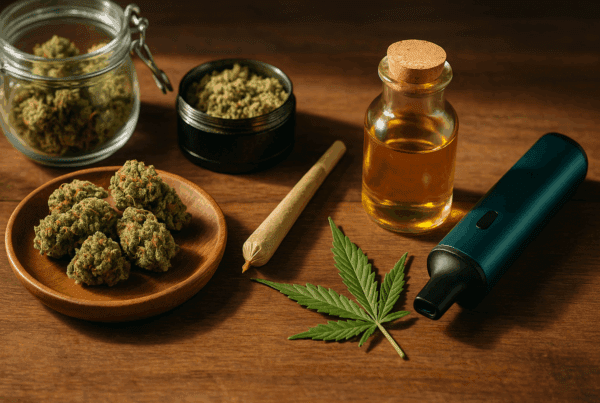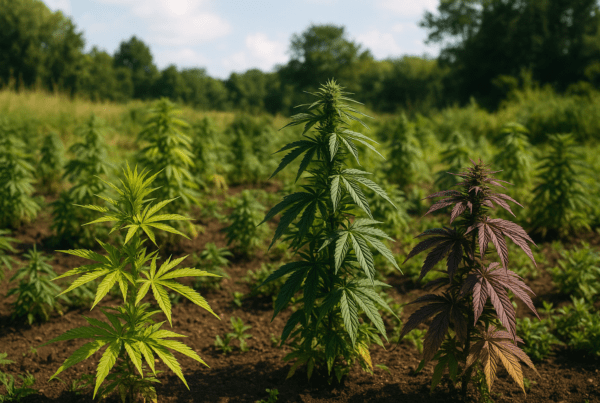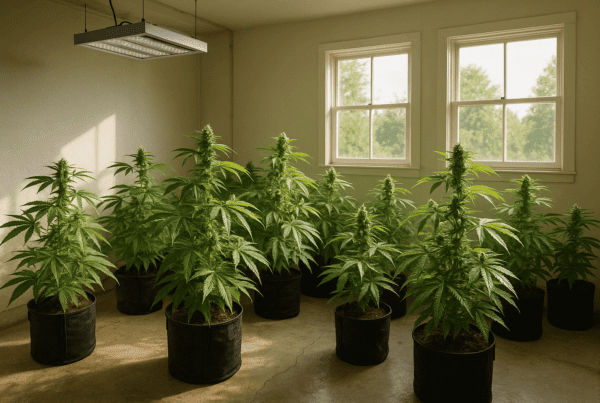

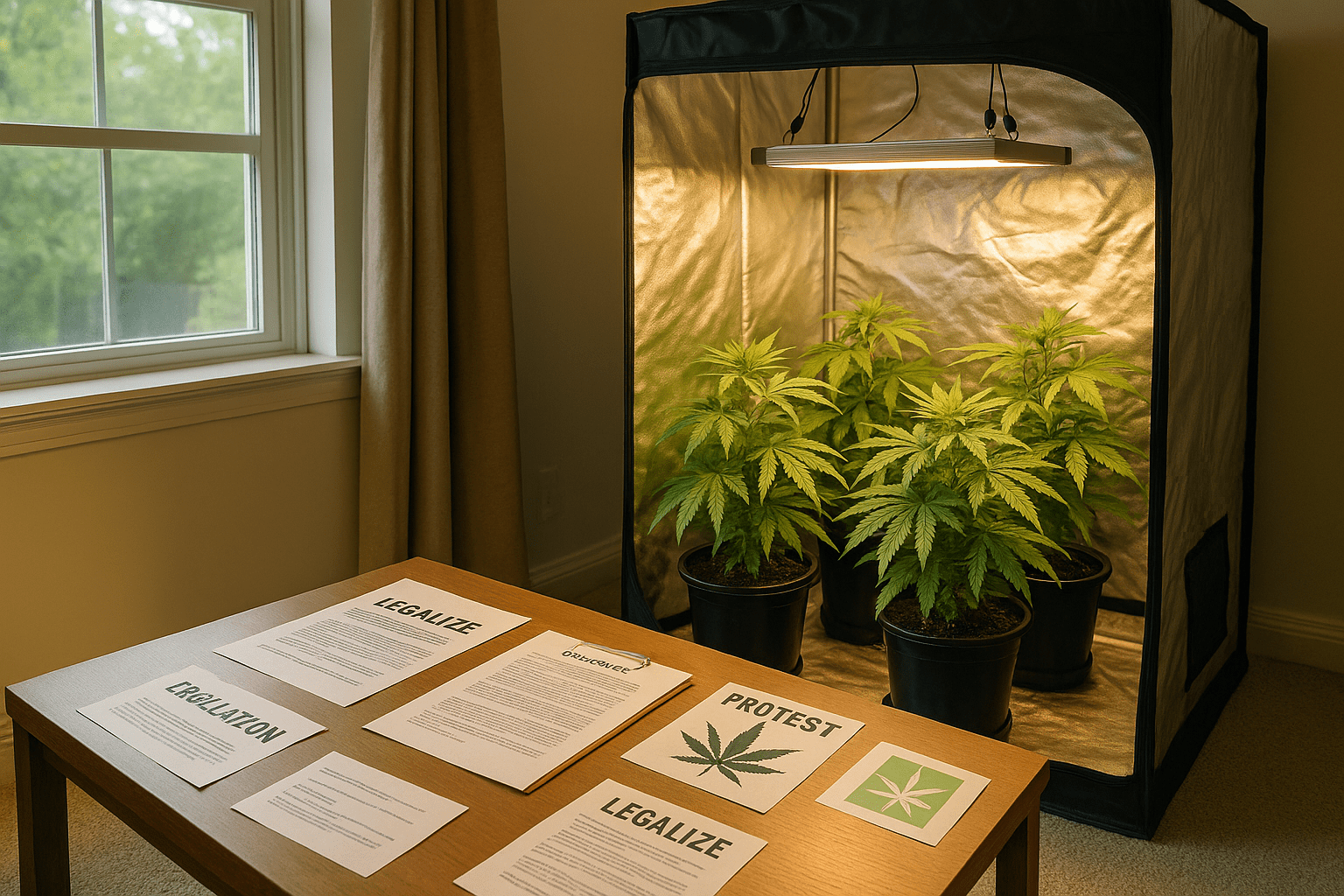
In recent years, there has been a noticeable yet understated movement gaining traction across states with strict cannabis laws. This movement centers on advocating for the right to home cultivation of cannabis, a subject that remains legally sensitive and politically charged in many parts of the country. The quiet but persistent push for allowing individuals to grow cannabis at home speaks volumes about changing public attitudes, community resilience, and the nuanced challenges involved in reforming deeply entrenched cannabis regulations.
A Slow Shift Beneath the Surface
Although public debate around cannabis legalization often spotlights recreational sales or medical marijuana programs, home cultivation tends to remain a less visible issue. In states where cannabis remains heavily restricted, growing your own plants is often illegal or allowed only under very narrow medical exceptions. Yet, beneath the public headlines and policy battles, a grassroots advocacy wave is taking shape. These advocates champion home cultivation as a matter of personal freedom, economic fairness, and a path toward safer, more transparent cannabis use.
What stands out is how this advocacy often takes a conversational, persistent approach rather than aggressive campaigning. Small community meetings, local petitions, and personal storytelling are common tools for these advocates, who tend to emphasize practical benefits and safety considerations over political posturing. The effort is not just about making cannabis cultivation legal but about restoring trust between growers and regulators, as well as giving consumers control over what they put in their bodies.
Challenges of Advocacy in Restrictive Environments
Working against a backdrop of restrictive cannabis laws means that advocates of home cultivation face distinct hurdles. Legal penalties, social stigma, and regulatory complexity all weigh heavily on the conversation. Many states still classify cannabis as a controlled substance with severe consequences for cultivation outside of approved channels. For most advocates, pushing for change requires not only educating lawmakers but also addressing misconceptions about cannabis growing.
One of the nuances is that home growers often need to balance the optics of their advocacy. They are typically striving to highlight responsible practices-growing small amounts safely, without environmental harm or community disruption. This is in contrast to the more sensational imagery that has sometimes shaped wider public opinion. Advocates try to differentiate personal cultivation from illicit cultivation at scale, emphasizing the modest goals and security needs of home growers.
This careful framing addresses a key concern held by many regulators and neighbors: safety. By promoting secure indoor grows, responsible odor management, and compliance with zoning, advocates aim to bridge the divide between legal fears and practical realities. Some successful advocacy campaigns have also introduced pilot projects or local exemptions as a middle ground to test policy changes incrementally.
The Role of Community and Information Sharing
These advocacy efforts are often tightly linked to local communities and networks of growers who share knowledge and support. Online forums, social media groups, and occasional in-person meet-ups allow home cultivators to exchange advice on strain selection, pest control, and legal strategies in an environment that can feel isolating otherwise. This kind of peer-based learning is crucial given how unevenly information is distributed and how rapidly regulations can change.
Interestingly, this community aspect has produced new voices in the conversation-folks who care deeply about cannabis cultivation but don’t identify primarily as activists. They are everyday people who want to ensure their ability to grow for personal use is respected and protected. These growers often become inadvertent advocates through their desire to simply keep gardening and to avoid criminal consequences while doing so.
The persistence of these networks also helps explain why home cultivation advocacy has quietly persisted even where formal legal progress is slow. The shared enthusiasm for growing combined with a growing base of informed supporters builds a foundation that can support eventual policy shifts. This is evident in several states where incremental allowances for home grows have followed grassroots pressure rather than top-down regulatory reform.
What This Means for Future Cannabis Policies
By focusing on home cultivation, this advocacy underscores a broader trend: cannabis reforms are increasingly about personal empowerment and practical legality rather than only commercial interest or medical frameworks. Allowing individuals to grow a few plants at home can ease pressure on legal markets, enhance consumer knowledge, and reduce the harms associated with black market purchases.
States that have started permitting home cultivation tend to see it as a step towards a more balanced approach to cannabis policy. Such allowance is not necessarily an open door for unfettered cannabis growing but a controlled recognition of individual rights within regulatory boundaries. This careful approach can help to align laws more closely with public attitudes, which data in some areas suggest is shifting steadily in support of personal cannabis cultivation rights.
Still, this is not a simple or uniform story. Differences in political climate, cultural norms, and local law enforcement priorities mean that progress is uneven. The quiet, incremental nature of home cultivation advocacy reflects both these complexities and the patience required to make changes in areas where cannabis remains controversial.
For those interested in watching or supporting this movement, it helps to look beyond headline legalization battles and recognize the nuanced work happening on the ground. Here, the conversations are often about everyday realities: protecting a modest garden, navigating local regulations, and building the knowledge to grow safely at home. This quiet rise of cultivation advocacy may well be one of the most telling indicators of cannabis normalization in restrictive states.
Resources like the National Organization for the Reform of Marijuana Laws (NORML) provide ongoing coverage and support for home cultivation issues, while platforms like Leafly offer practical information that often bridges the gap between advocacy and everyday grower realities. Observing how regulation adjusts, sometimes quietly and sometimes visibly, reveals a landscape where personal cultivation rights may slowly but surely find more common ground.
Sources and Helpful Links
- National Organization for the Reform of Marijuana Laws (NORML) – Advocacy and legal resources focused on cannabis reform, including home cultivation.
- Leafly – Cannabis education and practical growing information for home cultivators and consumers.
- National Conference of State Legislatures – Overview of state-level cannabis laws, including home cultivation provisions and restrictions.