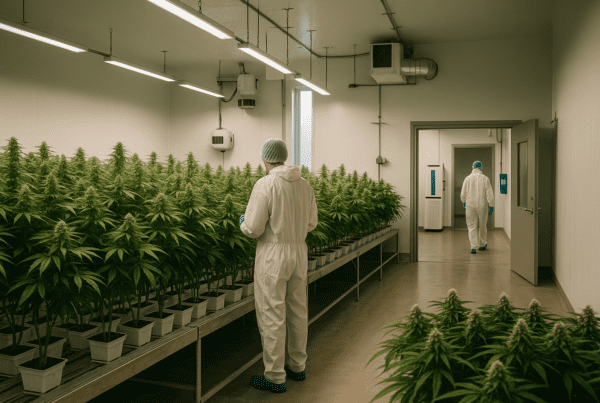


The cannabis world is adapting to a new level of scrutiny as recall procedures become more formalized and demanding. From the earliest stages of cultivation through processing and retail, regulations are pulling various players deeper into a network of accountability with a central focus on consumer safety. This trend reflects the broader effort to normalize and mature the industry beyond its informal roots.
Growing Pressure to Sharpen Safety Protocols
Once considered niche or underground, cannabis products now draw attention similar to any other consumable item, with safety concerns front and center. Contamination risks, such as pesticide overspray or mold infestation, are no longer acceptable surprises. Regulators in major markets like California and Colorado have responded by tightening recall requirements, demanding not just faster reporting but also greater detail on the scope and potential risk of affected batches.
The evolution toward mandatory recall timelines and explicit communication chains aims to rebuild consumer confidence, which remains fragile in some quarters. California’s changing rules, for example, require license holders to notify authorities and customers more promptly if a product is pulled. This creates a sense of urgency for everyone from small cultivators to large processors to maintain sharp production oversight and robust record keeping.
However, the flip side comes in the form of increased paperwork, technical barriers, and cost. Many smaller operators express concern about meeting these standards without cutting into already thin profits. The intensely competitive landscape means that while safety improvements are welcomed, they add a new layer of complexity that not everyone is ready to tackle smoothly.
Recall Demands Extend Beyond Producers
Once contaminated or problematic cannabis enters the distribution network, the recall effort cascades quickly to dispensaries and beyond. Retail outlets face the difficult task of halting sales, retrieving products, and managing customer communications under tight deadlines. Dispensaries have responded by investing in training and inventory software tailored to recall readiness, aiming to avoid delays that can erode trust.
Distributors act as a critical hub in these situations, connecting cultivators with retailers and managing the logistics of product removal. Given the layers involved, it becomes clear that cannabis supply chains are no longer single-threaded, and recall accountability spans multiple tiers. The ability to trace a problem batch back through every link in this chain has become a key measure of industry sophistication.
Technology Steps In But Does Not Solve Every Problem
Tracking technologies like Metrc and Leaf Data Systems have gained traction as essential tools in recall response. These platforms log each step from seed planting through final sale, theoretically allowing swift pinpointing of affected lots. Still, challenges remain, especially when products or operators cross borders or states. Inconsistent system interoperability means recalls that span multiple jurisdictions can become tangled in red tape.
Emerging tools such as QR codes and blockchain record keeping are entering the scene, promising greater transparency for consumers and real-time traceability. Consumers scanning their purchased items can see verified origins and batch data, potentially increasing confidence during a recall. That said, weaving these technologies fully into every corner of the market requires money and education. This could leave some operators behind, especially smaller outfits with fewer resources.
The Growing Voice of Consumers and Advocacy
On the consumer front, advocates have pushed hard for clearer and more actionable recall communications. Vague or irregular announcements have historically created confusion, leaving buyers uncertain about whether their products are affected or safe to continue using. This gap has spurred calls for standardized messaging balancing technical accuracy with straightforward guidance.
Advocacy pressure is influencing regulators to mandate better public-facing communications and to empower dispensaries as trusted sources of recall information. The goal is not only to alert customers but to do so in a way that avoids panic or misinformation. Striking this balance reflects both the novelty of regulated cannabis markets and the stakes involved in maintaining consumer trust.
Looking Ahead to a More Complex Recall Landscape
The recall scenario will grow more varied as product diversity expands. Edibles, tinctures, concentrates, and other cannabis-infused products each carry unique vulnerabilities. For instance, edibles may present allergen concerns or degradation over longer shelf lives, while concentrates might involve different contamination risks tied to extraction solvents or processing methods. Recall protocols will need to evolve to reflect these distinctions.
Discussions about interstate commerce also highlight the potential for harmonized recall standards. Currently, differing state regulations can create confusion and operational hurdles when products cross borders, a frequent occurrence in a growing national market. While federal oversight remains unsettled, industry participants and regulators alike recognize the benefits of more unified approaches to recalls, including standardized timing, reporting, and consumer communication.
Meanwhile, companies adopting rigorous quality assurance and traceability practices may face fewer disruptions during recalls, and benefit from reputational gains. Investing in these systems signals a commitment to public health and long-term stability, helping to reshape cannabis markets into mature industries that command greater trust from consumers and regulators alike.
People wanting to explore cannabis recall protocols in depth can find valuable information through official state cannabis control boards. These resources provide detailed guidance tailored to specific markets and remain essential for growers, retailers, and consumers working to navigate the evolving landscape.
Sources and Helpful Links
- California Department of Public Health Cannabis Program for official regulations and recall guidelines in California.
- Colorado Marijuana Enforcement Division details product safety and recall mandates statewide.
- Oregon Liquor Control Commission Cannabis Program outlines policies on cannabis testing and product recalls.
- Leafly’s explanation of Seed-to-Sale Tracking offers insight into technology supporting product traceability.