
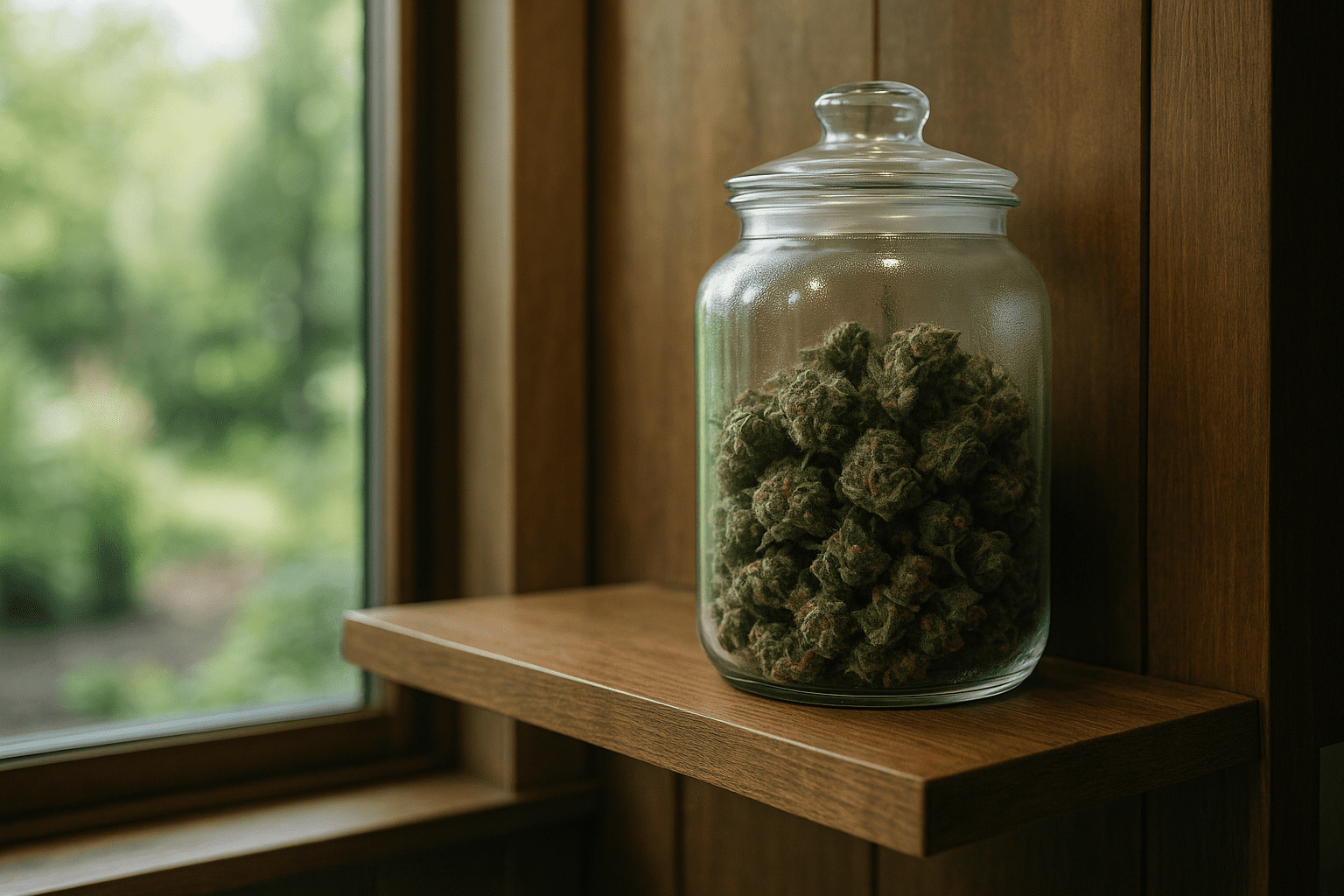
Cannabis terpenes often take center stage when discussing the plant’s aroma and flavor, but their story extends well beyond scent. These volatile compounds interact with cannabinoids to shape the nuanced effects users experience. Yet this intricate chemistry is fragile. Many factors after harvest can change or diminish terpene profiles, with storage conditions playing an unexpectedly vital role.
More Than Just a Jar on a Shelf
Terpenes are sensitive molecules that respond swiftly to their environment. Consider what happens when cannabis is exposed to heat, light, air, or fluctuating humidity. Each factor can gently erode the terpene bouquet, sometimes in ways that are hard to detect at first.
Take limonene, known for its bright citrus notes. When exposed to oxygen over time, it oxidizes into other compounds that smell different and may affect experience in subtle ways. Similarly, myrcene, which often contributes to that earthy, musky tone, degrades quickly under unfavorable conditions. Such changes not only affect aroma and taste but can also change how the overall product feels.
Storage containers matter because they mediate exposure. Transparent containers allow light that can trigger chemical breakdown, while poor seals let oxygen in. Temperature is tricky: too warm, and terpenes evaporate or break down faster; too cold, especially with fluctuating temps, and condensation can form, inviting mold or altering terpene ratios indirectly.
The Realities Inside Different Storage Setups
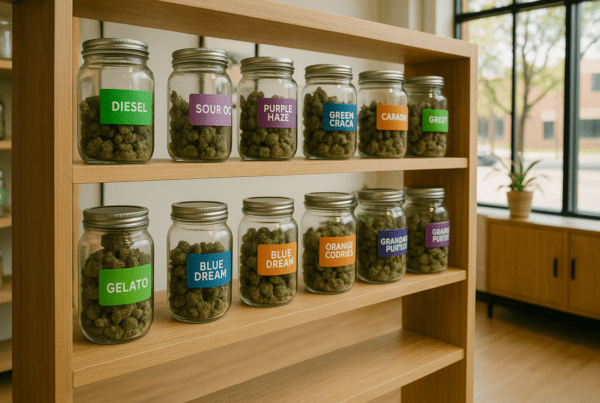
Reports from growers and users alike emphasize cooler, darker, and airtight conditions as best for preserving terpenes. Glass jars with tight lids, tucked into refrigerators or climate-controlled spaces, help maintain freshness longer. Special packaging designed to limit oxygen has gained interest, too, especially among commercial producers.
On the flip side, storing cannabis loosely in plastic bags or clear containers out in the open often leads to a rapid decline in terpene complexity. The effects are noticeable: flowers lose their vibrant aroma and develop a muted or flat profile that can feel less enjoyable.
Humidity adds another layer. While excessive moisture risks mold and accelerates terpene loss through volatilization, very dry environments can cause terpenes to evaporate away. Many in the cannabis community recommend maintaining relative humidity between 55 and 62 percent for balanced preservation, though this can shift depending on the strain or user preference.
Scientific Glimpses Into Terpene Shifts
Scientific research supports these observations. Controlled studies tracking terpene content over weeks or months show a steady decline, even under ideal conditions. Some key terpenes like pinene and caryophyllene decrease in concentration fairly rapidly, and the relative balance among terpenes shifts, reshaping the scent profile.
Oxidation products are another part of the story. When cannabis is exposed to air, new chemical compounds form that often smell less pleasant or familiar. These reasons suggest why freshness is so highly prized and why terpene preservation is challenging yet important.
While these chemical changes occur inevitably, their pace depends a great deal on how the flower is handled and stored. Understanding this helps explain why some flower shops or distributors seem to offer consistently more aromatic cannabis than others.
Everyday Wisdom and Storage Culture
Practical accounts from growers highlight a range of approaches that seem to extend terpene life. Vacuum sealing combined with flushing the container with inert gases such as nitrogen has been reported to slow degradation. Humidity control packs, tailored for cannabis, are also popular to keep environments steady.
Yet sometimes, the simplest habits matter most. Consumers who store cannabis away from light sources in tightly sealed glass jars often see the best terpene retention over weeks. Mistakes such as using plastic containers or leaving flowers exposed to ambient light remain surprisingly common and contribute to terpene loss and flavor flattening.
What stands out is how terpene loss correlates with a perceived drop in potency, though cannabinoid levels may not decline significantly. The aromatic and flavorful canopy around cannabinoids shapes user experience in ways that extend beyond measurable THC or CBD quantities.
For those curious about personal experimentation, testing different storage vessels and environments can reveal the subtle shifts over time. This kind of hands-on observation sharpens understanding of the plant’s chemistry in daily life rather than relying solely on lab results.
Overall, terpene stability involves a dynamic interplay between environmental exposure, container type, and the unavoidable passage of time. Every small variable tips the balance toward preservation or loss.
The relationship between cannabis and its terpenes reveals layers of complexity that demand respect from growers and consumers alike. Paying closer attention to storage conditions honors the plant’s natural chemistry and deepens appreciation for what those aromas and flavors truly represent.
For those looking to dive deeper into the science and best practices, scientific articles and cannabis cultivation guides remain useful resources. They offer nuanced views on terpene behavior under different conditions and practical suggestions gleaned from research and experience.
As cannabis continues to grow in cultural and medical importance, understanding terpene preservation is part of a larger conversation about quality and user experience. It reminds us that cannabis is a living, breathing product that continues to evolve long after it leaves the garden.
Enjoying high-quality cannabis over time involves more than just genetics or growing techniques. It requires ongoing care once the harvest is complete, from drying to curing and finally to storage. These steps lay the groundwork for terpene integrity and the rich sensory impact that defines premium flower.
Approaching terpene stability with curiosity and care enriches the connection between the plant and those who use it, inviting a fuller experience steeped in the plant’s natural complexity.
Sources and Helpful Links
- USDA Agricultural Research Service – Research on terpene chemistry and storage effects
- NCBI Central – Terpene stability studies – Peer-reviewed scientific articles exploring terpene degradation over time
- Leafly Guide to Keeping Cannabis Fresh – Practical tips on storage for preserving aroma and potency
- Project CBD on Terpenes – Detailed explanations on terpene roles and preservation methods