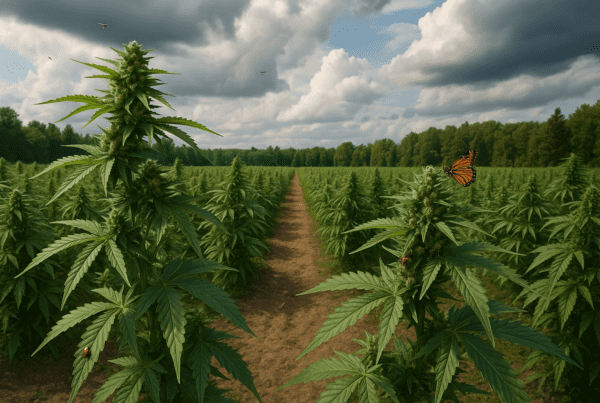

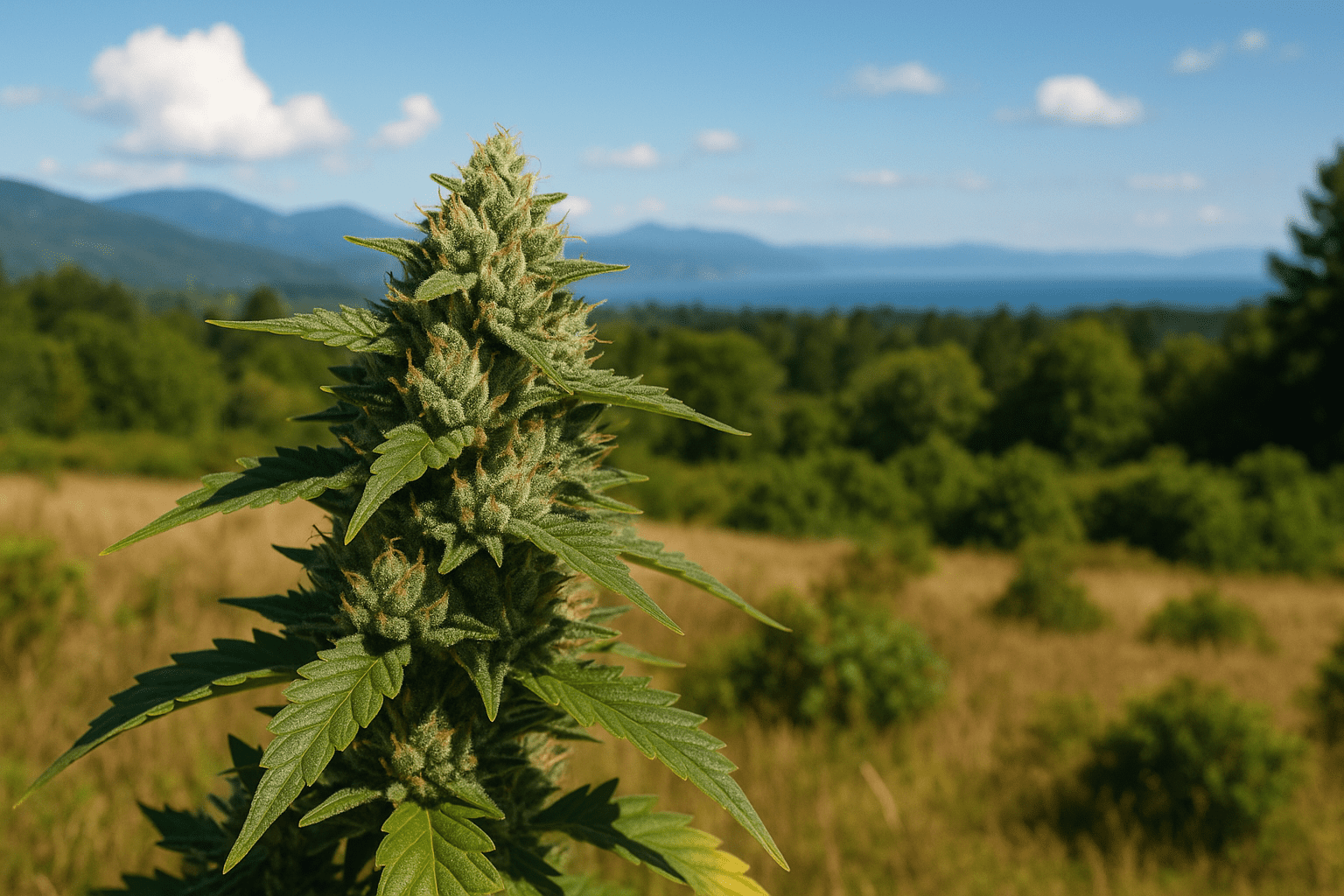
When people think about what shapes cannabis beyond its genetic code, the mind usually goes toward breeding choices or specific cultivation techniques. But a quieter force is constantly at work, one that comes from the natural world surrounding the plant. Sunlight, particularly its invisible traits, subtly carves out a complex chemical story within cannabis. Among sunlight’s many components, ultraviolet (UV) radiation plays a distinct and fascinating role, varying widely depending on the region and influencing the plant’s chemistry in ways not often noticed.
Nature’s Invisible Brushstrokes Across Latitude
UV light represents those parts of sunlight that escape our eyes, yet plants are deeply sensitive to them. As one moves away from the equator, the amount and quality of UV rays, especially UVA and UVB, shift noticeably. This is not a straightforward change because it intertwines with other climate factors like temperature, humidity, and altitude, making it tricky to single out UV effects. Still, decades of botanical observation and some targeted research show patterns where UV exposure seems to drive changes in the plant’s chemical outputs.
Closer to the equator, cannabis plants endure stronger and more consistent UV radiation. Facing this intense light, the plant often ramps up its production of certain compounds, including THC and various flavonoids, which act as natural shields against UV damage. Those compounds do more than protect; they add layers of scent and influence the sensory effects familiar to users. In this way, the sun’s invisible spectrum quietly molds not just survival strategies but also aspects appreciated in cannabis consumption.
Plants Communicating Through Chemistry
UV light serves as a kind of ecological conversation starter. Rather than just a source of energy, it acts as a signal that cannabis reads and responds to. One major response is the boost in resinous trichomes, those tiny structures on the bud surface that store cannabinoids, terpenes, and flavonoids. THC is especially adept at absorbing UVB radiation, supporting the idea that it evolved partly to protect the plant from sunlight-related stress. This response helps explain why cannabis grown under a strong natural UV regime looks and behaves differently from plants shaded or grown indoors with limited UV.
Beyond cannabinoids, terpenes also shift under varying UV exposure. These aromatic compounds do not just create fragrance-they play roles in defense against insects and disease. Some terpenes increase in quantity or alter their profiles when the plant faces stronger UV light, suggesting a sophisticated chemical balancing act tuned to local conditions.
Distinct Regional Chemical Signatures in Cannabis
Imagine two cultivators growing identical cannabis genetics in markedly different UV environments. One works in a cooler northern region where UV levels are generally lower year-round. The other cultivates similar plants closer to the equator where UV exposure is intense. The resulting cannabis will often express divergent cannabinoid and terpene compositions. Lower UV conditions typically correlate with somewhat reduced THC levels and simpler terpene bouquets, influencing the aroma and psychoactive experience in ways that a seasoned consumer might notice.
On the other hand, regions bathed in southern sun, such as parts of Southern California, the Mediterranean, or South America, often yield cannabis bursting with complex terpene arrays alongside higher cannabinoid levels. This aligns with the origins of many landrace strains that adapted to these intense sunlight environments, showing how long-term ecological pressures shape chemical traits.
The Modern Cultivation Puzzle: Blending Nature and Technology
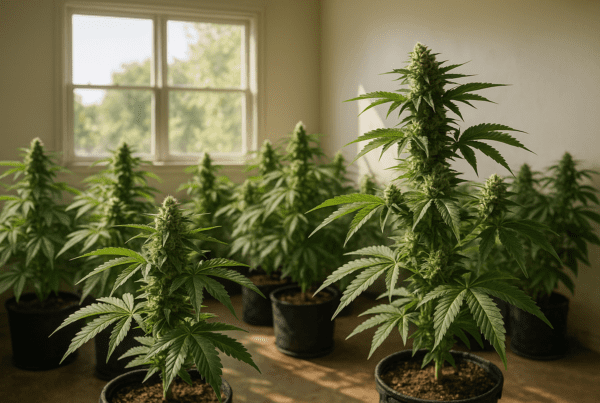
Indoor and greenhouse growers today have tools that allow some control over UV exposure. Artificial UV lighting can stimulate trichome production and potentially boost potency or modify terpene concentrations. Yet, these setups cannot fully mirror the complexity of natural sunlight, which fluctuates daily and seasonally while interacting with temperature and moisture in ways that affect the plant’s chemistry.
Breeding strategies also factor in, as cultivators often select for cannabinoids or yields, which might reduce how much the plant’s chemistry shifts in response to environmental factors like UV. Still, even with heavy human influence, the environment’s imprint on cannabis chemistry remains, particularly when it is grown outdoors or in lightly controlled conditions.
How This Shapes Grower Choices and Consumer Experiences
Recognizing the role of regional UV variability invites a more nuanced view of cannabis cultivation and consumption. It helps explain why a single strain may feel different when grown in separate places. This knowledge nudges growers to think beyond genetics alone and to consider location and light exposure when aiming for repeatable quality or specific flavor profiles.
Practical adaptations might include selecting genetics aligned with local UV conditions or managing canopy density to optimize the sunlight reaching buds, letting natural processes work alongside human efforts rather than overriding them. Even the timing of outdoor harvests can be influenced by the sun’s seasonal cycles, linking cultivation rhythm with natural light variation.
The story of UV and cannabis chemistry unfolds as a layered, ongoing interaction where plant and environment shape each other. It points to deeper lessons about ecological relationships and hints at future directions for both research and commercial growing practices, where environmental harmonization might become a valued principle.
For those wanting to dig deeper into this topic, the National Center for Biotechnology Information offers comprehensive reviews of UV’s impact on plant chemistry. Leafly provides practical takes on using UV light in cannabis cultivation. Safety and exposure standards are outlined by the Occupational Safety and Health Administration. Meanwhile, Project CBD delves into the importance of terpenes and their influence on plant chemistry and effects.
Sources and Helpful Links
- National Center for Biotechnology Information – Review on the effects of UV on plant secondary metabolites including cannabis
- Leafly on UV impact in cannabis cultivation – Discussion of UV light effects on potency and resin production
- OSHA Ultraviolet Radiation Safety – Guidelines on UV exposure considerations in work environments
- Project CBD on terpenes and cannabis chemistry – Exploration of terpene influence on cannabis aroma and effects