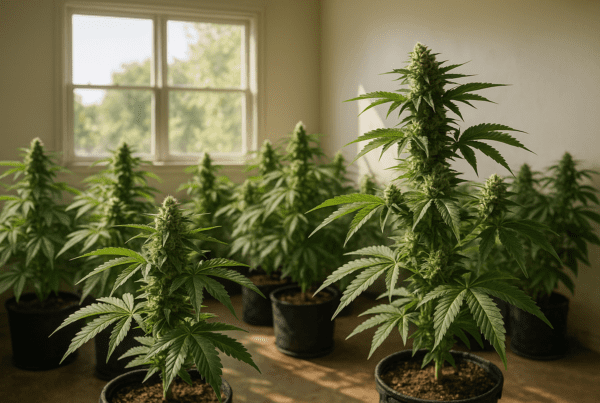

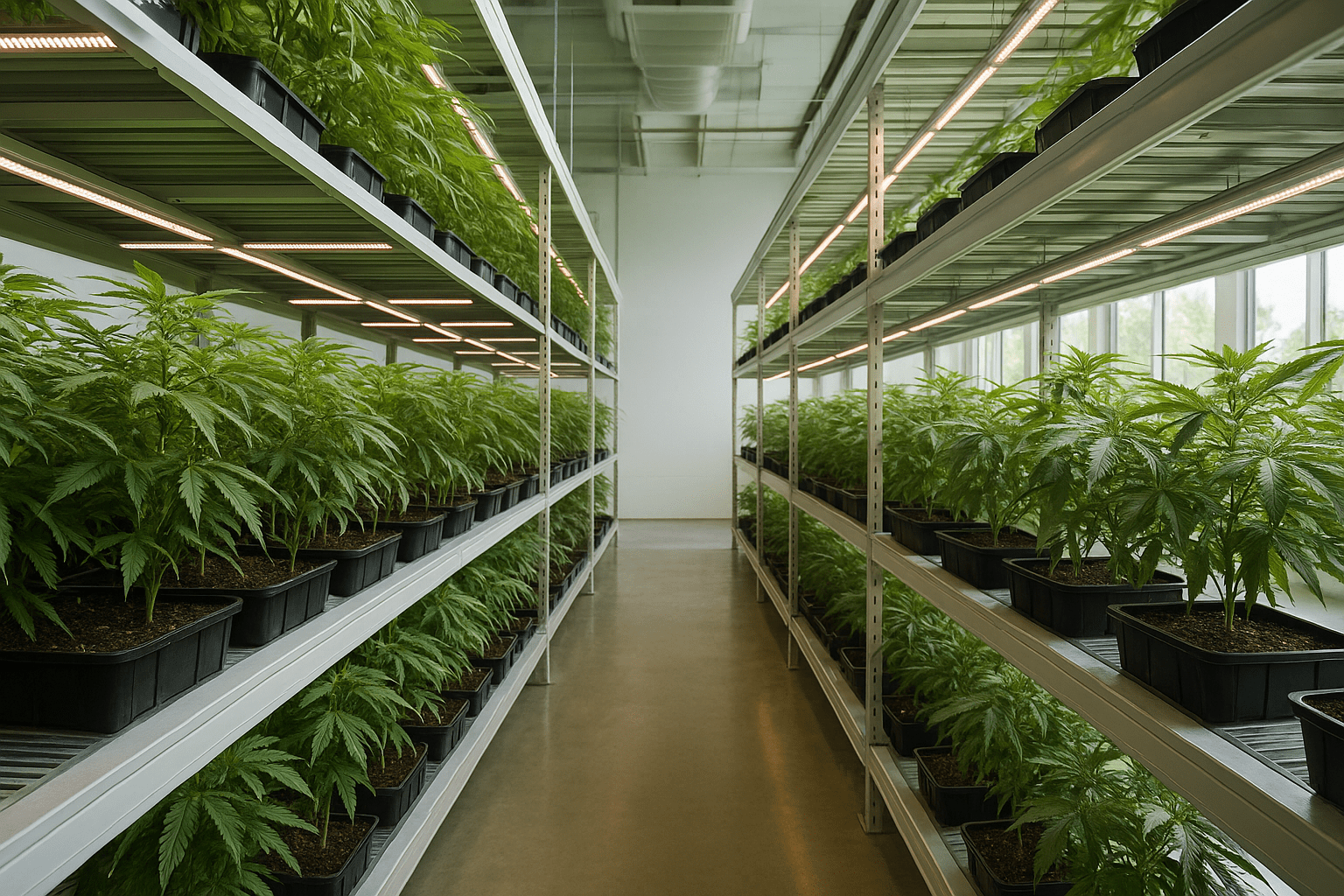
Vertical farming, once mainly associated with leafy greens and herbs, is increasingly capturing attention in cannabis cultivation. The familiar horizontal rows of cannabis plants slowly make way for stacked layers of controlled growth spaces. This shift gains momentum among cultivators searching for better productivity inside limited square footage, aiming to make every inch count without compromising on quality.
Thinking beyond the ground level
One of the clear advantages vertical farming offers cannabis growers involves space optimization. Traditional cannabis operations frequently require sprawling setups, especially when plants need several feet each for their canopy to flourish. By building upward rather than outward, growers can multiply their canopy area without expanding their physical footprint. This can be particularly appealing in urban areas or regions where higher rent and zoning restrictions limit horizontal expansion.
Yet, the challenges of going vertical extend beyond simply stacking trays or pots. Ensuring each plant gains adequate light, airflow, and access to nutrients demands careful planning and setup. LED technology plays a key role here, with adjustable lighting arrays allowing cultivators to tailor light spectra and intensities to each tier. Air circulation systems must also evolve past the simple oscillating fan found in single-level grows, investing instead in vertical airflow solutions that prevent hotspots or stagnant areas.
The puzzle of energy and resource management
Energy consumption often comes under scrutiny in cannabis cultivation, and vertical farms are no exception. Increasing plant density and enclosed environments can elevate electricity use if not managed carefully. However, vertical farms also offer opportunities for improved energy efficiency through modern environmental controls and automation. Centralized climate control systems can effectively regulate temperature, humidity, and CO2 levels across multiple levels.
Water usage presents a mixed picture, depending on the growing system. Hydroponic or aeroponic vertical setups typically recycle water within their closed loops, reducing overall consumption and nutrient runoff. Meanwhile, soil-based vertical grows might struggle more with even irrigation and drainage, especially on upper levels. Still, many cultivators report that the precision of automated feeding and watering systems in vertical farms helps reduce waste compared to traditional methods.
The impact on consistency and crop quality
Vertical farming allows growers to exert a higher degree of control over microclimates within each layer. By isolating and fine-tuning conditions like light exposure and humidity, cultivators can standardize growth environments, potentially improving crop uniformity. This controlled environment agriculture approach may translate into more consistent cannabinoid profiles and terpene expressions, which can be harder to achieve outdoors or even in sprawling indoor rooms with varied airflow and lighting.
Still, this precision demands expertise and vigilant monitoring. Minor deviations in environment on any tier can affect plant health swiftly. Advances in sensor technology and remote monitoring have been crucial in helping growers maintain stable conditions. Some cannabis producers incorporate machine learning to analyze environmental data and adjust settings in near-real-time, aiming to keep plant stress levels low.
Adaptations in cultivation techniques
Not every cannabis cultivar responds the same way to vertical farming environments. Indicas with shorter, bushier profiles might fit snugly in tighter vertical spaces without sacrificing yield, whereas sativa-dominant plants with their lankier limbs require more clearance or pruning strategies. Training methods such as low stress training (LST) or screen of green (ScrOG) can be adapted to fit vertical farm shelves, encouraging plants to spread horizontally within each layer.
Some cultivators are experimenting with new substrata or growing mediums that suit vertical racks, especially materials that retain moisture well and support robust root development in confined containers. These shifts reflect a broader trend toward integrating traditional horticultural knowledge with technology-driven innovation. Vertical farming, in this light, feels like a dialogue between old and new ways rather than a total departure.
Challenges still weighing in
Despite its advantages, vertical cannabis cultivation is not without hurdles. Initial capital outlay tends to be significant, with investment needed for specialized racks, lighting systems, climate control technologies, and irrigation automation. For many small-scale growers, the complexity and cost can seem daunting.
Labor also adjusts to vertical operations. Tasks such as plant inspection, pruning, and harvesting require careful ergonomics since workers must access multiple layers, sometimes involving ladders or lifts. This can impact workflow and safety considerations.
Lastly, regulatory environments vary widely, and some jurisdictions may not have clear rules addressing high-density or vertically stacked cultivation. Compliance with ventilation, plant limits, and safety codes may require additional negotiation with local authorities as this style of farming expands.
Still, the potential for better land-use efficiency, environmental control, and crop consistency ensures vertical farming will keep attracting attention among cannabis cultivators. As technology matures and grows more affordable, this method seems poised to carve out a significant niche in the evolving cannabis landscape.
For those looking to explore vertical cannabis cultivation, observing current successes and challenges can offer helpful context before investing. Real-world experience continues to shape how these farms evolve, with ongoing adaptation to maximize the harmony between plant biology and the vertical space they occupy.
Information about vertical farming’s advantages for controlled agriculture has grown over recent years, touched on in discussions by industry experts and covered in various agricultural reports. Similarly, updates about technology integration frequently appear in publications emphasizing sustainable indoor farming. Follow ongoing developments from sources that track cannabis cultivation trends to stay informed about how vertical farming influences this unique crop.
For further reading on growing techniques and vertical farming impacts, resources like the National Institutes of Health study on indoor farming and industry insights from sites such as GrowerTalks can provide detailed perspectives on the evolving landscape.
As the cannabis industry finds ways to balance growth demands with sustainable practices, vertical farming stands as one promising tool among many. It reveals how creative architectural and technological solutions translate to practical advantages in cultivating this fascinating plant.
Exploring this approach with grounded expectations can help cultivators decide how vertical farming fits within their own operations and ambitions.
Sources and Helpful Links
- National Institutes of Health on indoor farming, a detailed study of controlled environment agriculture techniques that include vertical stacking.
- GrowerTalks, a long-standing horticultural publication covering trends and technology in cannabis cultivation.
- Cannabis Business Times on indoor vertical farming technology, exploring practical implementations and challenges in modern cannabis facilities.