
Walking through any licensed cannabis facility today, you might notice something subtly shifting aside from the obvious buzz of growth lights and the aroma of fresh flowers. There is a growing awareness around what happens after harvest, once the buds are trimmed and the leftover plant material starts piling up. Waste management in cannabis operations has quietly become a pressing issue, propelled by evolving policies that try to balance safety, environmental responsibility, and regulatory compliance.
Policies Shaping What We Toss and How
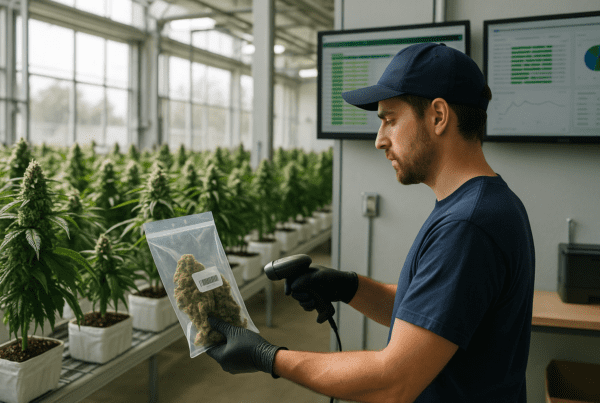
Cannabis waste isn’t just discarded plant matter anymore. As governments and regulators adapt, they are zeroing in on how cultivators and processors handle leftover stems, leaves, root balls, and even unsold product. Some states, including California and Oregon, have introduced regulation frameworks requiring companies to track and securely destroy all cannabis waste to prevent diversion into illegal markets. This comes with layers of documentation, using seed-to-sale tracking systems and sometimes on-site surveillance to verify destruction processes. These requirements affect daily operations significantly, even influencing how businesses design their cultivation and production areas.
Beyond diversion concerns, environmental aspects take a more visible role. Cannabis waste can be considered a kind of organic refuse, but it carries stricter handling rules compared to typical agricultural waste. Authorities are wary about improper disposal methods that might contaminate soil or water supplies with pesticides or residual cannabinoids. Some policies mandate composting or approved biohazard disposal methods, although such options remain limited and expensive for many operations.
The Hidden Costs Inside Compliance
For growers and manufacturers, complying with waste management rules can mean new expenses and logistical headaches. Secure storage containers, dedicated waste rooms, or even contracts with licensed waste haulers add recurring costs. Small-scale growers might find these requirements particularly burdensome, given they operate on tighter margins and usually lack resources for complex waste protocols.
Some cultivators are reconsidering their cultivation techniques or harvest methods to minimize waste volume. This includes selective pruning, employing whole-plant processing techniques, or finding secondary uses – like creating biomass products or compost feeds – that can mitigate disposal burdens. However, the patchwork of local rules means what works in one state might be illegal or impractical in another, complicating the adoption of such practices.
Additionally, some industry members raise concerns about the carbon footprint of current waste destruction methods. For instance, incineration is a common disposal technique mandated by some states, but it contributes to greenhouse gas emissions. Transporting waste over long distances to licensed facilities also increases environmental impact. As sustainability becomes a watchword in cannabis culture, these contradictions highlight how waste policies remain a work in progress.
Environmental Stakes Meet Market Realities
There is a growing environmental consciousness in cannabis circles, informed partly by the legacy of illegal grows that often left damaged landscapes. Waste management policies intersect directly with this issue, forcing the industry to reckon with how to dispose of sizable cannabis biomass responsibly. Improper disposal can lead to soil health degradation or unintended cannabinoid contamination in the environment, which undermines public health goals and community trust.
At the same time, the commercial cannabis world feels the push and pull of market forces. Surplus plant material and unsold inventory represent sunk costs, which create a temptation to cut corners on disposal or try to repurpose material in ways that skirt legality. Tracking systems aim to block these loopholes but can also create friction within the supply chain, especially where inspection resources are limited and paperwork piles up.
Federal prohibition complicates matters further. Without national guidelines, each state patches together their own frameworks, often adopting differing standards for waste destruction, documentation, and environmental protection. This patchwork status creates uneven incentives and confusion for multi-state operators, making streamlined best practices difficult to implement broadly.
Looking Beyond the Bin
Some parts of the industry and local governments are exploring creative models. Cannabis biomass, once considered nothing more than waste, is being eyed for novel uses – like biofuel production, fiber manufacturing, or soil amendment products. These alternative channels could reduce the environmental footprint and turn regulatory headaches into sustainable opportunities.
Nevertheless, the shift will take time, resources, and perhaps a loosening of overly restrictive rules that currently inhibit innovation. The challenge will be finding regulatory approaches that maintain safety and prevent illicit diversion yet allow space for practical, environmentally sound waste solutions.
Ultimately, cannabis waste management is revealing itself as a microcosm of the larger balancing act in the industry. The desire for growth and profit meets environmental stewardship and regulatory vigilance, each pushing and pulling. Watching how policies evolve and affect real-world practices will shape the sustainability and reputation of cannabis for years to come.
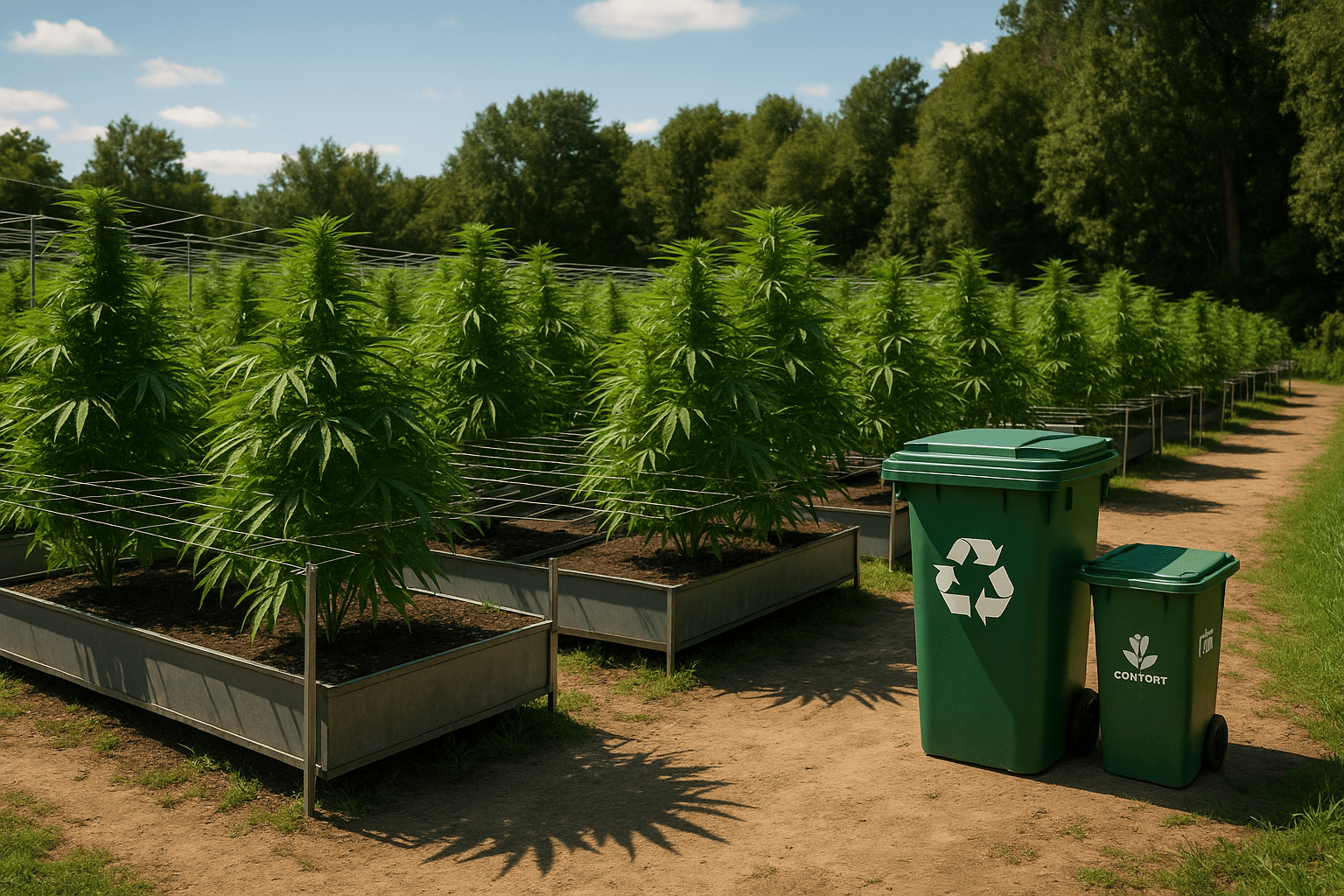
For those paying attention, the bins and compost piles around grow facilities carry stories about the industry’s priorities and limits. They reflect a conversation still unfolding – about what cannabis production truly costs and how that cost is shared between the environment, the regulator, and the business itself.
While cannabis waste may seem like a niche concern, it touches on bigger themes around resource use, community impact, and regulatory design. It is a part of the plant’s journey seldom seen but full of signals about how the industry is maturing in a complex world.
Understanding these realities requires a patient look beyond the products on shelves or buds in jars. It invites us into the less glamorous, often invisible layers of cannabis cultivation – the sustainability questions and operational realities that shape how the industry grows and evolves.
Those interested in further insights might consider resources like the California Department of Public Health guidance on cannabis waste, Oregon Liquor Control Commission’s waste disposal rules, or reports from advocacy groups exploring sustainable cannabis cultivation methods, which delve into some of these operational pressures and environmental concerns.
These resources help shed light on how policy points meet real-world practice, a vital area as the cannabis industry takes shape and finds its environmental and regulatory rhythms.
Sources and Helpful Links
- California Department of Public Health – Cannabis Program A resource detailing state-level rules including waste management for licensed cannabis businesses.
- Oregon Liquor Control Commission – Marijuana Waste Disposal Oregon’s official guidance on how licensed cannabis entities must handle and track waste destruction.
- Cannabis Business Executive Industry news and analysis including coverage on operational impacts from regulatory changes like waste management.
- Cannabis Now Cannabis culture publication with articles that include environmental and sustainability considerations in growing and production.
- USDA Natural Resources Conservation Service Comprehensive information on plant waste management and sustainability techniques relevant beyond cannabis, providing broader environmental context.