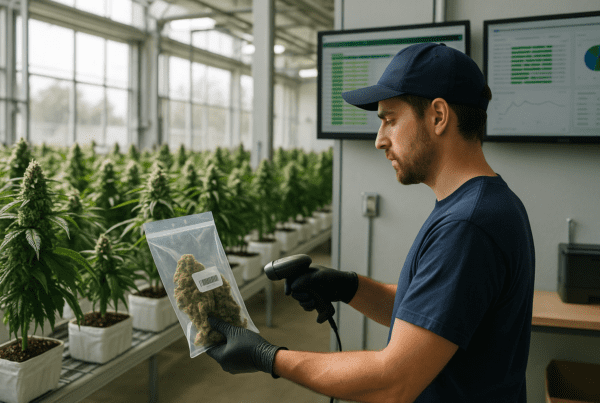

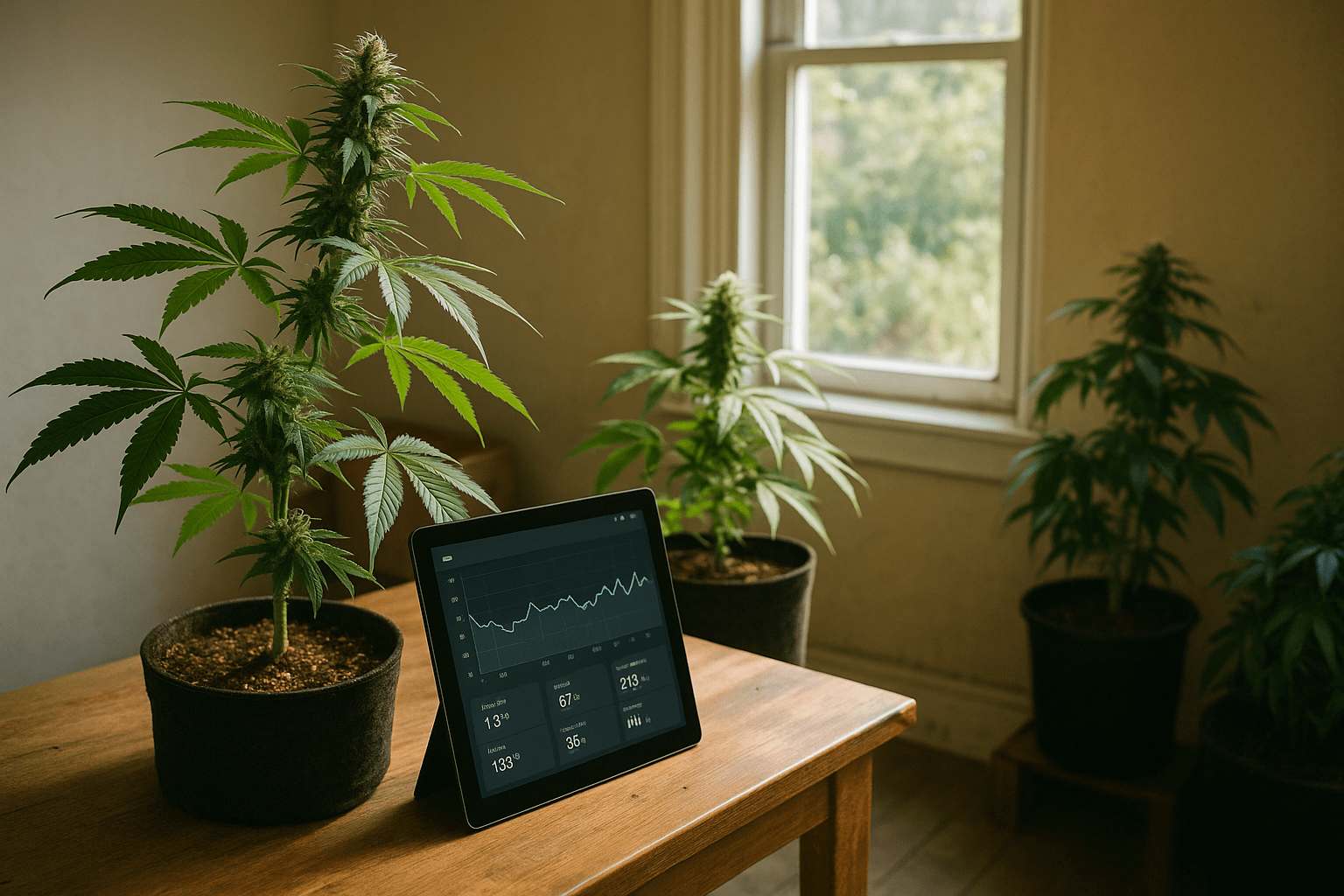
Walking through a small cannabis cultivation room, the plants and growing spaces naturally draw the eye. The scent, light, and careful arrangement speak to a hands-on and almost intimate relationship with the plants. Beneath this palpable care, however, lies one of the cannabis industry’s most quietly transformative threads: the growing importance of seed-to-sale traceability systems.
The invisible thread guiding every plant’s path
Originally, seed-to-sale systems started out as tools designed to keep legal cannabis markets secure, preventing product diversion and ensuring public safety. The principle itself is straightforward: every cannabis plant and product is tracked from its origin as a seed or clone until it reaches the final consumer.
For small-scale producers, this kind of scrutiny and data collection was often unexpected. These growers tend to operate with nimble, flexible routines that emphasize knowledge of plant traits and hands-on adjustments rather than relentless documentation. Incorporating real-time data reporting, software platforms, and tagging technology adds a layer of complexity that turns growing into a hybrid task of agriculture and administration.
Many regulatory frameworks demand detailed records not just of harvest dates or amounts but also of pesticide applications, nutrient schedules, and movement between facilities. This can feel taxing to small producers who don’t have dedicated compliance staff and rely on streamlined, experience-based workflows.
Meshing tradition and technology in small operations
The heart of many small cannabis grows lies in their craft: selecting phenotypes that suit local conditions, nurturing distinctive traits, and responding to plants on a case-by-case basis. This artisanal approach sometimes runs counter to the rigidity expected in seed-to-sale tracking, which often prioritizes consistency, scalability, and data verification.
Yet, as challenging as the new systems can be, they also open a window into untapped insights. The detailed data collected through traceability technology can reveal subtle patterns in plant health, yield variations, or pest issues that might otherwise be missed. Some growers are blending their experience with this new information to refine cultivation techniques and improve crop outcomes.
This intersection between craft and compliance requires small producers to be both flexible and disciplined. They must develop routines that ensure legal accountability without losing sight of their plants’ unique needs and their own cultivation philosophy.
Alongside these shifts, communication around traceability with customers has become part of some growers’ approach. Explaining trace processes can enhance brand value by demonstrating transparency, which many consumers find reassuring amid the diverse legal market. Small producers who successfully integrate traceability and storytelling might carve out loyal followings that appreciate both quality and integrity.
The dual-edge of cost and opportunity
One of the most immediate hurdles for small operations is the cost. Compliance software, tagging hardware, and the time needed to navigate these systems add financial and labor burdens that larger companies can more easily absorb. For growers working close to the margins, these expenses risk undermining viability unless offset by price premiums or operational gains.
In some cases, small producers find themselves forced to choose between joining forces with bigger operations, which can bring capital and tech support, or shouldering the burden alone and risking falling out of legal compliance. This dynamic raises broader questions about the future diversity of the cannabis market and whether small, local cultivators will continue to thrive.
Regulatory bodies are aware of these challenges and some have introduced phased approaches, exemptions, or support programs aimed at easing smaller farms into full traceability compliance. However, these solutions vary widely in scope and availability, reflecting the patchwork nature of cannabis legalization across different jurisdictions. Tracking these shifts requires constant attention to evolving rules and resources.
Looking ahead as innovations reshape the landscape
The technology fueling seed-to-sale traceability is evolving rapidly. Blockchain-based systems promise records that cannot be altered, lending greater confidence to regulators and consumers alike. IoT sensors integrated into grow rooms can automate data capture, reducing manual entry and human error. These advancements blend security with efficiency, though they come with learning curves and initial investments.
For small producers, such innovations could prove double-edged. While some tools might streamline compliance, the pressure to adopt ever more sophisticated technology could widen gaps between well-funded growers and those with fewer resources. This challenge feeds into larger conversations about equity and access within the emerging cannabis industry.
The debate over how much traceability is enough, and where to draw the line between oversight and overreach, remains active. Emerging conversations about equity, market access, and local producer protections are intertwined with this technological evolution. How regulatory frameworks balance these competing priorities will shape the small cannabis grower’s experience moving forward.
Despite the challenges, many small producers appreciate that accurate traceability can boost consumer trust and product quality assurance. In a market crowded with choices, having documented integrity offers a kind of value that resonates with connoisseurs and novices alike.
There is also a cultural side to this evolution. The move toward comprehensive seed-to-sale traceability marks a shift in how cannabis is perceived and handled, not merely as an agricultural product but as one subject to detailed scrutiny, transparency, and accountability. Small growers find themselves at the crossroads of tradition and regulation, crafting a future where both can coexist.
Keeping an eye on regulatory updates and technological trends is crucial for small-scale cannabis producers navigating these changes. Resources like the National Conference of State Legislatures help track how laws develop across states. Meanwhile, trade publications such as Cannabis Business Times provide ongoing coverage of the latest tech innovations. For hands-on insights, the Cannabis Industry Journal explores practical challenges operators face daily.
Watching how small cannabis growers adapt to and shape seed-to-sale traceability will offer a window into the future of the entire industry. These producers blend botanical knowledge, craft, and now technology-driven transparency, all in pursuit of creating cannabis that honors both tradition and trust.
Sources and Helpful Links
- National Conference of State Legislatures, an overview of state cannabis laws and seed-to-sale tracking requirements
- Cannabis Business Times, coverage on seed-to-sale tracking technology developments
- Cannabis Industry Journal, practical articles on implementing traceability for cannabis operators