
Noticing the shifting tides in how people pick their CBD
Over the past few years, the conversation around CBD products has grown beyond mere recognition. Among the various options on shelves and online, full-spectrum and isolate CBD are often discussed, yet consumer behaviors and preferences toward these forms reveal subtle but telling patterns. It’s interesting to see how users navigate their choices depending on what they want from their CBD experience.
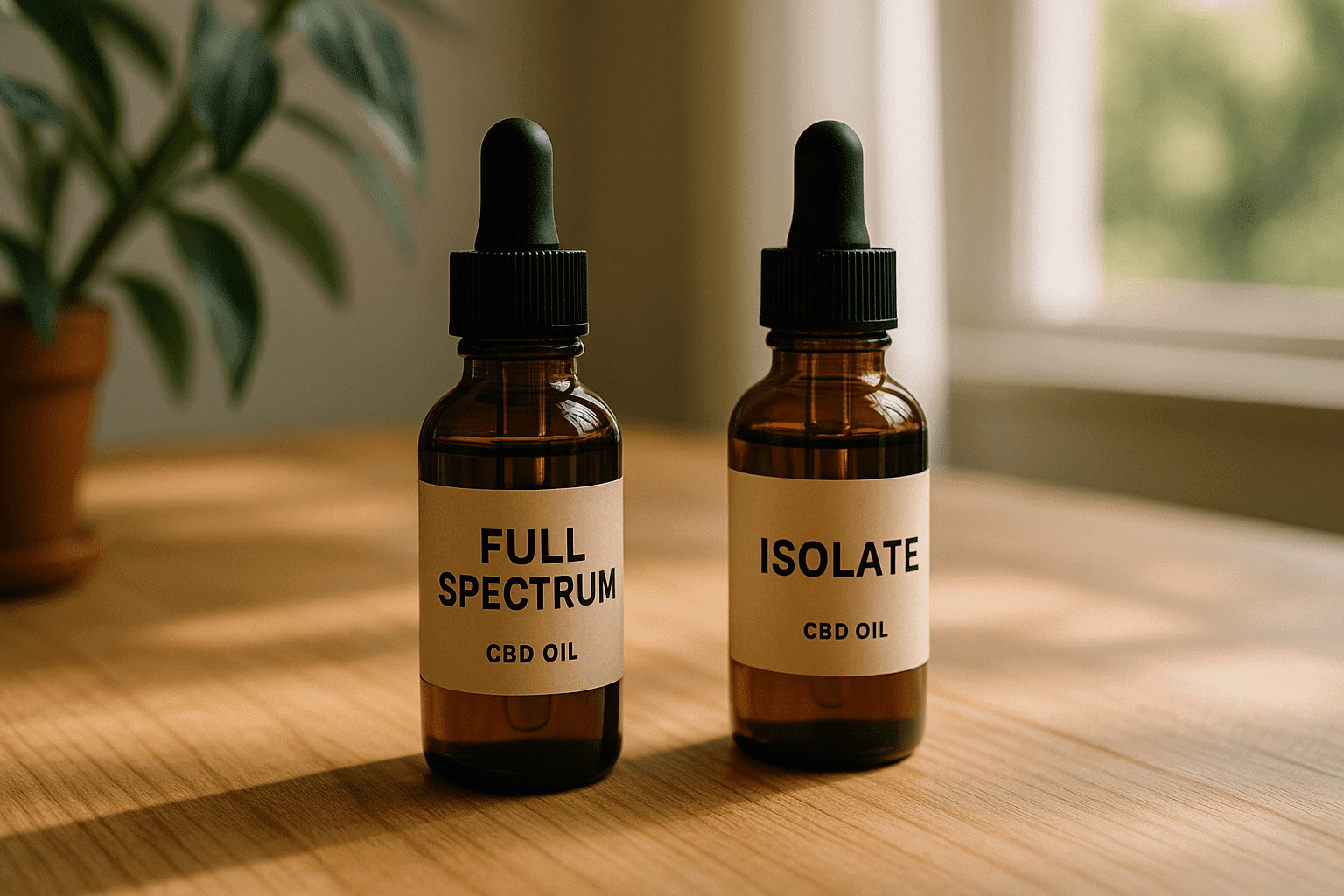
Full-spectrum CBD products offer an array of compounds found naturally in hemp, including various cannabinoids, terpenes, and flavonoids. In contrast, CBD isolate is essentially pure cannabidiol, stripped of other compounds. This fundamental difference means the two product types often attract different groups of consumers or satisfy different needs, reflecting a practical negotiation with complexity on the users’ part.
Why the interest in full-spectrum keeps growing
One trend that stands out is the growing enthusiasm for full-spectrum CBD products. Many consumers are drawn to the idea of an “entourage effect,” where the combination of cannabinoids and terpenes might amplify the overall impact. This theory suggests that the presence of multiple hemp compounds can produce a result greater than the sum of its parts, supporting a broader and potentially more nuanced effect.
For some users, full-spectrum feels less like a single ingredient and more like a natural extract, offering complexity and variety. This resonates well with those who are seeking a more holistic approach, especially if they are curious about how different cannabinoids interact. Anecdotal reports, often shared in forums and user reviews, often speak to a smoother experience or unexpected layers to the calming or therapeutic effects.
However, the full spectrum does bring certain trade-offs. Because these products may contain trace amounts of THC, even if below legal limits, some consumers approach them cautiously. Workplace drug testing and legal restrictions in certain areas contribute to this hesitation. Transparency and product testing results thus become crucial. Reliable third-party labs providing clear cannabinoid profiles help build trust, allowing consumers to feel more comfortable exploring full-spectrum options.
Isolated CBD’s appeal: clarity and control
On the flip side, CBD isolate’s simplicity holds strong appeal. Isolates offer a single, well-defined compound without other cannabinoids or terpenes. This appeals to consumers who want a predictable experience or who may be wary of additional compounds. For medical users who need precise dosing or who are subject to drug testing, isolates often feel like the safer or more controlled option.
The marketing of CBD isolate tends to emphasize purity, often highlighting the absence of THC as a selling point. While isolate’s lack of other compounds means missing out on the potential entourage effect, it also means fewer variables in how the product may affect the individual. Some users feel empowered by that clarity, particularly those who are new to CBD or who prefer minimalist formulations.
Isolate products also commonly appear in applications where flavor or scent might be undesirable, such as in capsules or certain edibles. The lack of the characteristic hemp aroma or taste can matter for some consumers focused on convenience or discretion.
Reading between the trends and individual preferences
Consumer interest doesn’t split simply along lines of full-spectrum versus isolate. There are many shades of preference influenced by personal experience, health goals, and lifestyle considerations. Some approach with curiosity about broad-spectrum products, which include cannabinoids and terpenes but no THC, aiming for a middle ground. Others shift their choice over time, perhaps starting with an isolate before exploring full-spectrum options as they become more attuned to their needs.
Retailers and brands, in turn, respond by widening their selections, sometimes offering detailed education alongside their products. For the average shopper entering a dispensary or browsing online, the availability and clear labeling of full-spectrum and isolate products can help shape initial impressions and ongoing decisions.
The regulatory landscape also nudges the market’s evolution. Legal limits for THC in hemp-derived products, lab testing requirements, and varying local rules all affect the kind of products consumers find and trust. Transparency around these factors continues to matter as customers weigh the perceived benefits and risks associated with complex versus simple cannabinoid profiles.
Not just science but stories shape choices
The experience of many CBD users is as much about stories as it is about chemistry. Personal reports, community feedback, and trusted recommendations influence what people try and how they interpret effects. This social dimension means that the divide between full-spectrum and isolate can sometimes reflect broader values, such as a preference for natural, whole-plant products versus engineered precision.
Those looking into CBD products often find themselves navigating an array of factors beyond the product itself. Price, brand reputation, delivery format, and even the narrative around the product’s origin and extraction method all play roles. Observing these patterns gives a glimpse into not just what consumers want but how they engage with the evolving cannabis-derived wellness landscape.
The ongoing conversation around full-spectrum and isolate CBD products is therefore less about which is objectively better and more about understanding how people align their choices with their unique expectations, experiences, and priorities. That balance continues to shift as more research, transparency, and product innovation enter the scene.
Sources and Helpful Links
- FDA on Cannabis Research and Drug Approval Explains regulatory perspectives on cannabis-derived products.
- Project CBD’s take on Full Spectrum vs Isolate Offers detailed insights into different CBD product types and their effects.
- NCBI review on Cannabinoid Science Provides scientific context on cannabinoid interactions and product implications.
- Hemp Industry Daily on Consumer CBD Preferences Reports trends and market observations around CBD product choices.