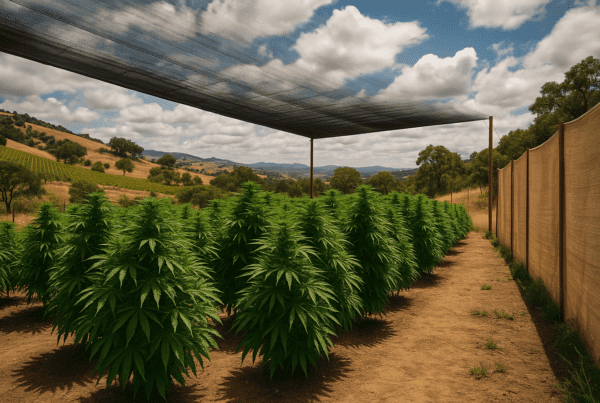

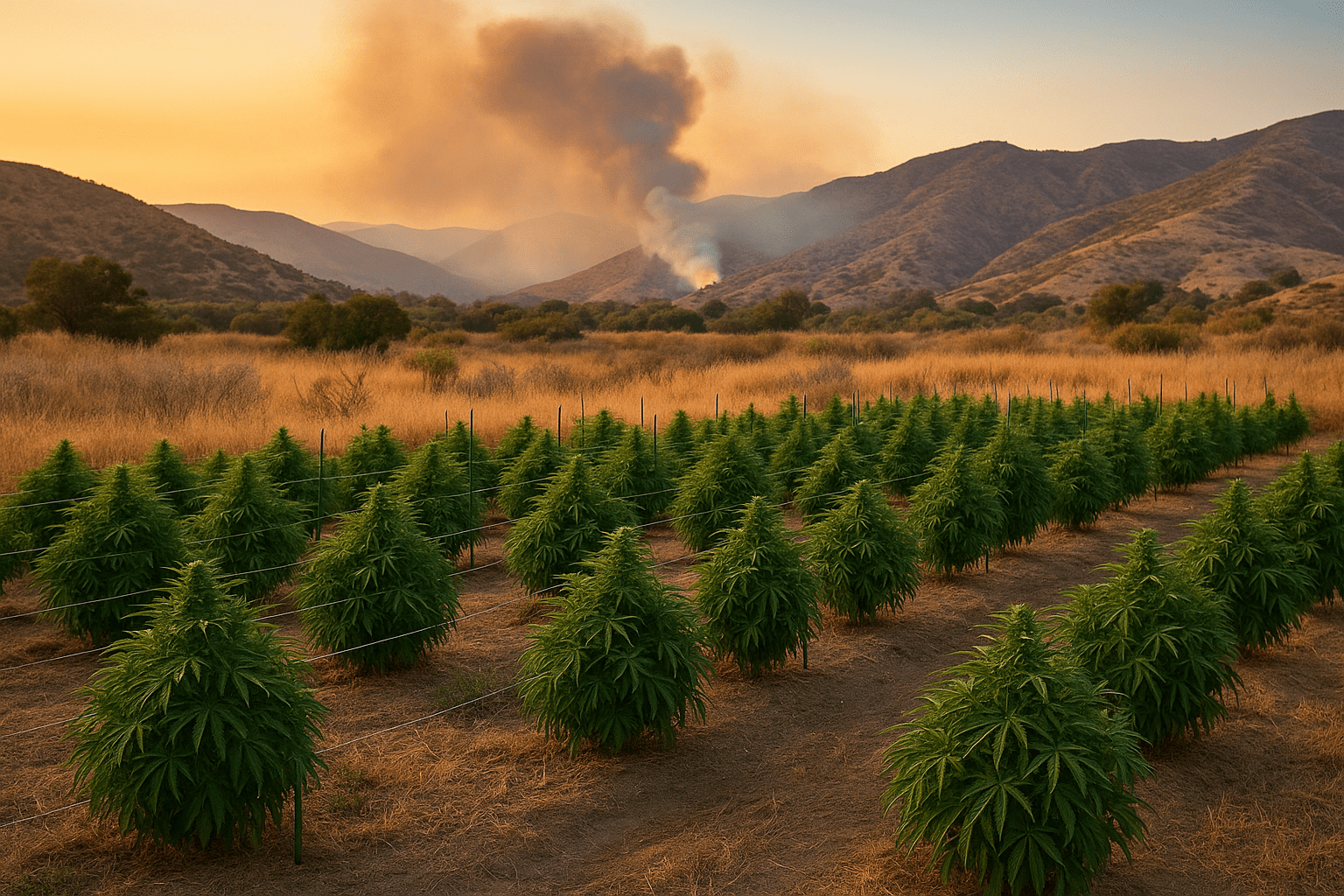
The wildfire season in California has shifted notably over recent years, stretching longer and intensifying in certain regions. For outdoor cannabis cultivators, this changing landscape is more than just a backdrop to cultivation efforts. It demands real adjustments to strategy and risk management.
Longer Fire Seasons Mean New Timelines for Growing
Traditionally, Northern California’s wildfire season ran through late summer and early fall. But with shifts in climate patterns and weather irregularities, the season now creeps into late fall and starts earlier in the year. This extended fire period complicates outdoor cannabis cultivation since plants need to mature during windows less likely to be disrupted by smoke, ash, or active fires.
Growers find themselves reconsidering the typical planting and harvest calendar. For example, starting seeds earlier in spring might help flowers finish before peak smoke levels arrive. However, early planting comes with its own challenges including cooler temperatures and greater risk of mold or other plant stressors. In some cases, cultivators try quick-flowering strains or alter feeding schedules to accelerate maturation, effectively racing against the expanding wildfire timetable.
Smoke and Air Quality Cast A Long Shadow Over Crop Health
Even when fires are miles away, the presence of smoke can linger for days or weeks, impacting outdoor cannabis in subtle but significant ways. Smoke particles block sunlight, reducing photosynthesis and slowing growth. Cannabinoid profiles can be affected, potentially changing potency and flavor characteristics. Leaf surfaces might accumulate particulate matter which could encourage mold or other fungal issues as humidity fluctuates.
Some cultivators are experimenting with physical protections such as shade cloth to reduce direct exposure to smoke or adjusting irrigation to mitigate stress. However, options are limited for outdoor setups compared to controlled indoor environments. Without recourse to filtered air systems, the natural elements remain a persistent variable.
Fire Prevention and Site Selection Evolve Amid Heightened Risk
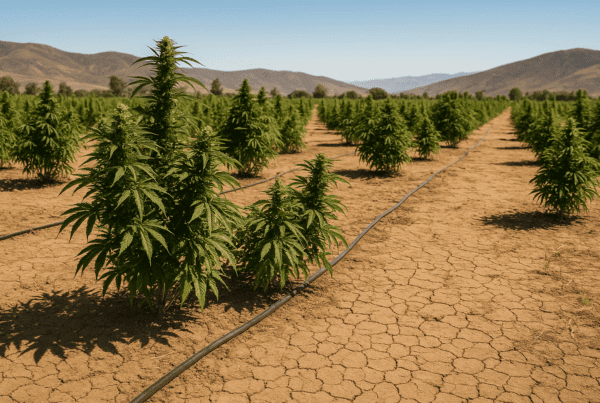
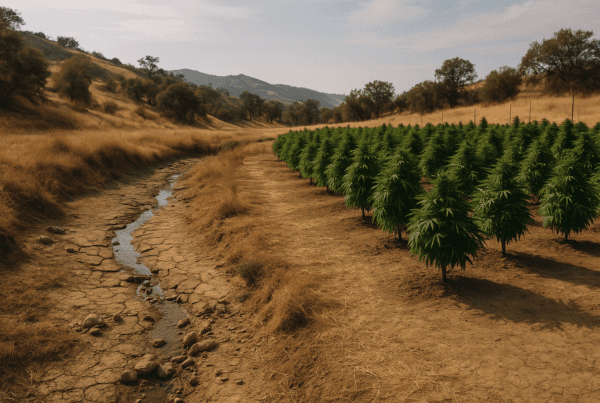
Wildfires don’t just threaten plants directly through burning. The presence of active fire nearby can necessitate evacuation, crop destruction, or severe stress on plants due to heat and wind. This exposes how crucial site selection and fire prevention practices have become in cannabis farming.
Many growers now invest more time scouting properties with defensible space and natural firebreaks. Hedgerows, gravel paths, and regular clearing of dry brush help create buffers that might slow fire spread. Water storage and irrigation infrastructure also serve double duty as firefighting resources. Some cultivators collaborate with neighboring landowners to coordinate fire risk reduction, reflecting a collective approach to an undeniable environmental threat.
Insurance and Compliance Add Layers of Complexity
With wildfire risks on the rise, insurance for outdoor cannabis farms often involves higher premiums or limited coverage. Insurers sometimes exclude wildfire damage or require rigorous fire mitigation to qualify. This economic factor influences growers’ decisions around scale and investment in outdoor operations.
Furthermore, regulatory guidelines around cultivation often intersect with fire codes and environmental mandates. Compliance with local ordinances may involve maintaining setback zones or soil management standards meant to reduce fire risk. Navigating these layers means outdoor producers must stay vigilant about shifting rules in parallel with ecological changes.
What This Means for the Future of Outdoor Growth in California
The pattern emerging from growing seasons in wildfire-prone areas suggests that outdoor cannabis cultivation will require more dynamic planning and adaptive techniques moving forward. While some growers might embrace innovative strategies such as hybrid indoor-outdoor setups or greenhouse shielding, others will double down on natural resilience-choosing robust genetics and careful site stewardship.
Wildfire season is shaping up as a defining factor in California’s outdoor cannabis landscape. Its influence extends through every phase of growing from seed selection to harvest timing, and from daily care to emergency readiness. Those farming under the sun in fire country have accepted it as an unavoidable part of the equation, and this awareness reshapes what it means to cultivate successfully in these changing conditions.
Understanding these evolving risks and observing real-world responses is key for anyone connected to California’s cannabis industry, whether growing, selling, or simply following the larger story. The wildfires are not just natural events but catalysts for a nuanced reconsideration of how outdoor cannabis can coexist with one of the state’s most persistent challenges.
For additional insight into California’s agricultural challenges amid wildfire seasons, resources like the University of California’s wildfire impact reports help contextualize these changes. Meanwhile, cannabis-specific grower communities and industry news outlets document practical responses as they unfold, offering a window into evolving cultivation realities.
Ultimately, the changing fire season underscores the importance of adaptability and informed observation. Outdoor cannabis cultivation will continue to reflect a dialogue between human effort and natural forces, shaped as much by weather patterns and wildfires as by horticultural knowledge.
As the landscape shifts, so does the definition of resilience for cultivators, tested by smoke, heat, and unpredictability but also finding new ways to thrive and sustain.
More detailed local fire data and agricultural advisories can be explored through official channels like California’s Department of Forestry and Fire Protection, which tracks wildfire patterns and safety information relevant to growers.
These evolving dynamics highlight the intersection of environment, regulation, and cultivation techniques, illustrating how deeply outdoor cannabis growth entwines with California’s broader ecological story.
A careful observer notices that wildfire changes are not isolated events but part of wider climate rhythms transforming the agricultural landscape. Adapting to these shifts while maintaining cultivation quality invites a form of hands-on learning that is ongoing and profoundly practical.
For those rooted in California’s outdoor cannabis fields, there is a growing awareness that wildfires influence everything from soil moisture cycles to harvest windows, and from pest pressures to plant health, making wildfire season an integral factor in the cultivation narrative going forward.
By watching the land closely and sharing knowledge across communities, outdoor growers contribute to a slow but steady evolution of how cannabis farming unfolds in a fire-shaped environment, revealing resilience beyond the immediate crisis.
While the challenges brought by shifting wildfire seasons are real, so too are the adaptive capacities demonstrated by those working closely with the land and its fluctuating rhythms.
This ongoing story continues as a blend of creativity, caution, and environmental attunement, echoing larger conversations about agriculture and sustainability in a changing California.
For readers seeking grounded insight into these evolving conditions, following dedicated wildfire reports alongside cannabis cultivation updates offers a way to stay connected to how natural and human worlds increasingly intersect on the ground.
Reflecting on these factors means recognizing the complexity beneath a simple outdoor grow and appreciating the balancing act required to bring cannabis plants through fire season toward harvest.
In many ways, the changing wildfire landscape calls for a tempered optimism rooted in observation, pragmatic adaptation, and shared learning-a framework that aligns well with the cannabis cultivator’s experience long before wildfire seasons grew more intense.
It is a story written measurably in smoke, soil, sun, and a hundred small choices made in response to an environment that demands attention and respect.
Sources and Helpful Links
- California Department of Forestry and Fire Protection wildfire statistics – Official report tracking patterns and impact of wildfire seasons in California
- University of California Cooperative Extension – Research and resources on agriculture and wildfire impacts in the state
- Leafly’s cannabis wildfire smoke impact articles – Coverage of how smoke affects cannabis plant potency and cultivation choices
- MJardin on wildfire danger and cannabis cultivation – Industry insights on risk management and outdoor growing practices amid wildfire concerns