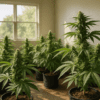

Indoor cannabis cultivation has long been a canvas for experimentation, where growers balance light, nutrients, and environment to coax out the best qualities in their plants. In recent years, a quiet shift has been unfolding around the way lighting is understood and deployed within grow rooms. The classic focus on intensity and photoperiod is giving way to more nuanced attention on the actual light spectrum being delivered. This new sensitivity among cultivators reveals how even slight changes in the wavelengths of light plants receive can shape their growth in ways that aren’t immediately obvious but grow increasingly valuable as experience accumulates.
Observing the spectrum beyond the usual red and blue
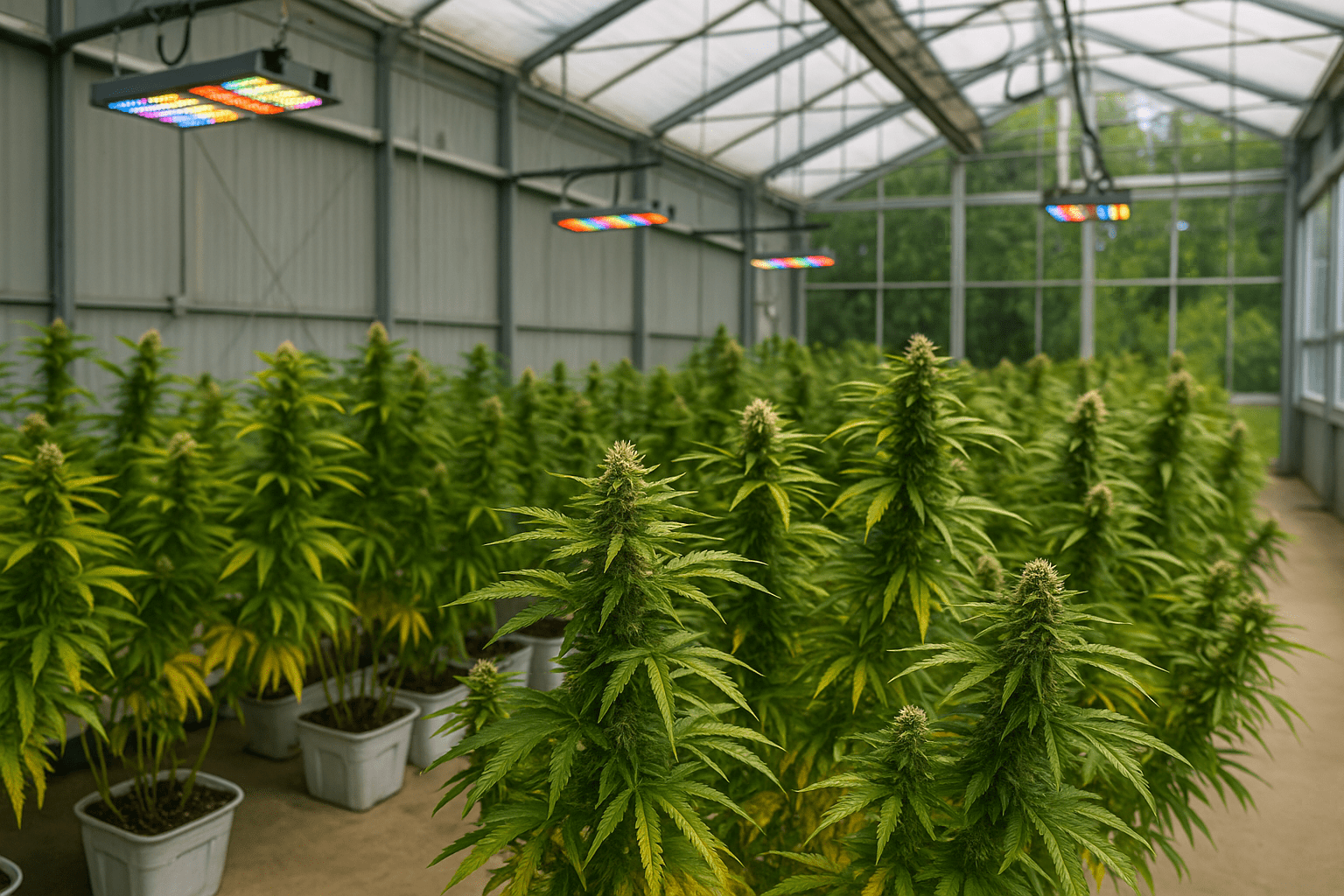
Cannabis growers generally know that blue light stimulates vegetative growth and red light encourages flowering. This basic spectrum relationship has guided artificial lighting choices for ages, leading to the widespread adoption of LED fixtures designed to hit these peaks. But beyond the simple red and blue paradigm, indoor cultivators today are noticing that subtle additions and shifts-like tweaking the far-red or adding softer green light-can alter plant behavior in measurable ways. These changes do not replace the classic spectrum roles but rather interact with them, modifying how plants perceive their environment.
For instance, far-red light-often just beyond what humans can see-is now better understood as a signal that tells plants about their neighbors. In nature, the ratio of red to far-red light changes as plants crowd each other, triggering what’s known as shade avoidance. Indoor growers who incorporate controlled doses of far-red at specific times can encourage plants to grow taller or adjust branching patterns, a subtle tool for managing canopy shape without changing feeding or temperature. It is a reminder that plants are not simple machines but responsive organisms reading their surroundings actively.
Green light’s unexpected role in the grow room
Green light’s place in plant growth is more complex than initially thought. Historically, green light was dismissed as less useful because chlorophyll does not absorb it well, and early plant growth studies often focused on the dominant red and blue ranges. However, more recent exploration reveals that green light penetrates deeper into leaves and canopy layers, playing a role in photosynthesis where red and blue fail to reach effectively. Growers who have experimented with reintroducing green light into their setups note subtle changes in leaf structure and plant morphology, sometimes reporting more robust lower canopy growth.
The inclusion of green hues also affects the way a grower visually assesses plant health. Because plants reflect green light strongly, adding this region of spectrum makes foliage appear more natural and easier to evaluate for stress signs or nutrient deficiencies. This human factor may seem minor, but it influences decision-making in real time during long grows, where subtle visual cues matter as much as data logs and sensors.
Timing changes with light spectrum shifts
The timing of when certain wavelengths are introduced is gaining attention in the cannabis community. Some growers are experimenting with dynamic lighting schedules that change spectrum composition throughout different phases of the grow cycle or even from hour to hour within the same day. For example, delivering higher levels of blue light during early vegetative stages before gradually shifting toward far-red during flowering can mimic natural sunlight patterns more closely than static lighting setups.
This dynamic approach appears to influence plant behavior and metabolic processes beyond what pure photon count or duration can achieve. There are reports of better cannabinoid expression or terpene profiles associated with these more detailed spectral schedules, though scientific confirmation remains ongoing. Still, the anecdotal evidence is encouraging a new generation of growers toward lighting protocols that embrace spectrum subtlety as a dimension of control.
Balancing cost and complexity in practical grows
Despite growing understanding of subtle spectrum impacts, there is a practical balancing act. More advanced lighting systems capable of fine-tuning spectrum composition tend to come with higher costs and complexity, which may not suit every grow operation, especially smaller or home setups. Additionally, every cannabis variety responds uniquely to light quality, making universal recommendations difficult.
Indoor cultivators looking to refine their lighting often start by trialing modest spectrum alterations on smaller sections or short cycles to observe plant reaction before committing. This approach matches the slow, observational style that many longtime growers adopt, emphasizing responsiveness to what the plants reveal rather than rushing toward standardized protocols.
In the experience of many growers, a small shift in light spectrum becomes part of a broader pattern of tweaking and adapting environmental factors. It is rarely a silver bullet but more a component in a layered cultivation strategy, where light spectrum is acknowledged as a subtle yet meaningful aspect of plant interaction with its surroundings.
This emerging understanding of light spectrum nuance highlights the sophistication hidden beneath the surface of indoor cannabis cultivation. It encourages growers to look beyond instinct and tradition toward a more detailed conversation with the plants themselves, shaped by careful observation and gentle experimentation.
For those interested in exploring further, some lighting manufacturers and cannabis research hubs provide resources on spectrum effects that can clarify the science behind these observations. Meanwhile, growers continue to push the boundaries toward ever more refined indoor environments that support healthy, vibrant cannabis plants in compelling new ways.
As these spectral subtleties become better documented and understood, the language and tools of indoor cannabis cultivation will evolve, steering attention toward phenomena that once passed unnoticed. This shift opens possibilities for more tailored plant growth and quality optimization outside the sweep of blunt variables like wattage or light cycle timing alone.
By watching and listening to these quiet shifts, indoor growers glimpse a future where light is shaped with the same finesse used in other agricultural parameters, crafting microclimates that nudge cannabis toward its full potential with a delicate hand.
Sources and Helpful Links
- USDA Agricultural Research Service – Research on light spectrum and plant growth patterns.
- ScienceDirect on Far-Red Light – Detailed scientific overview of far-red light effects on plants.
- Cannabis Science and Technology Journal – Articles exploring green light’s role in cannabis cultivation.
- LED Grow Lights Forum – An active community of indoor growers discussing spectrum combinations and timing.