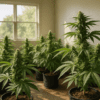

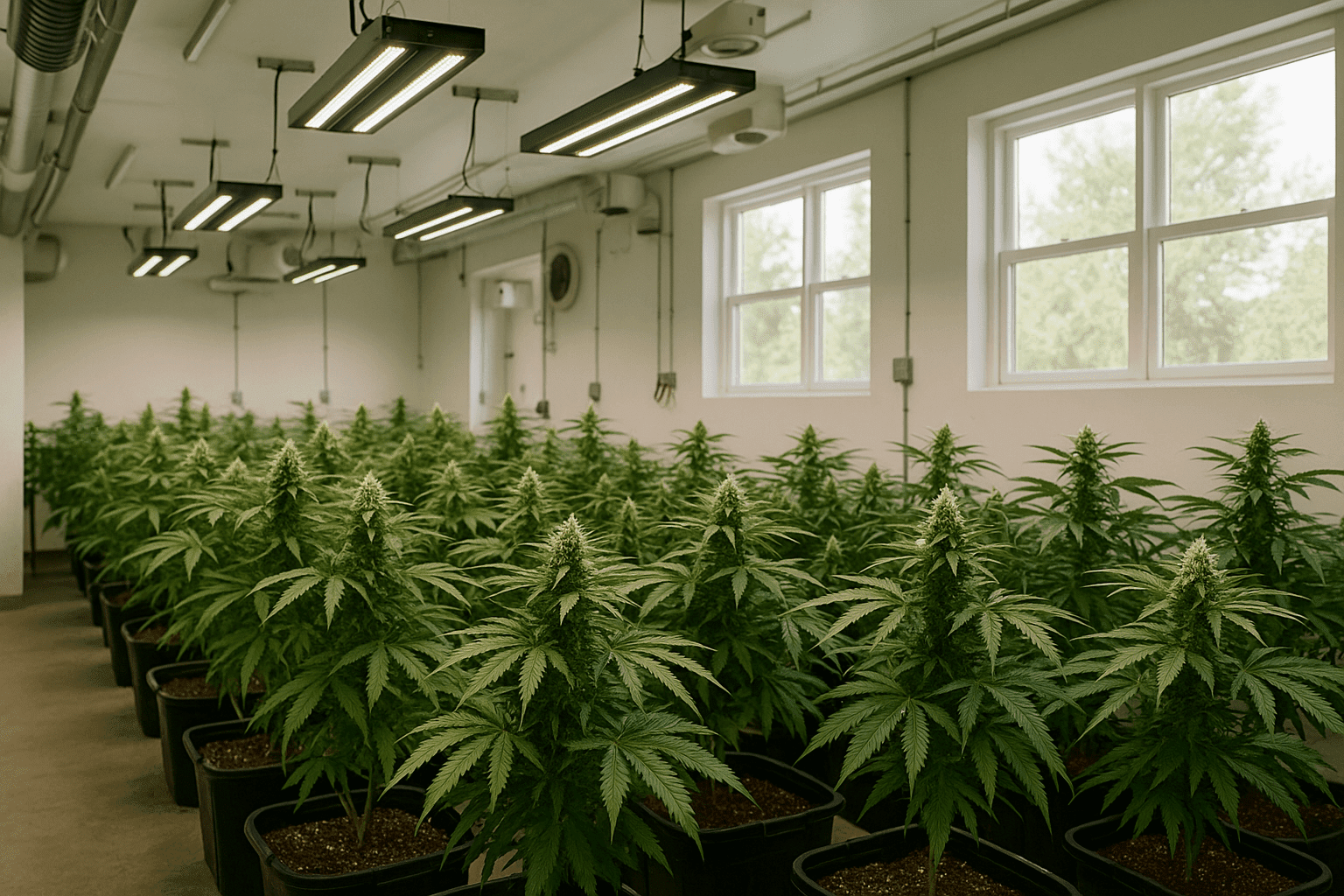
Indoor cannabis cultivation has long been shaped by the types of lighting technology available, evolving alongside advances in what growers could deploy. The old staples like fluorescent bulbs, metal halide, and high-pressure sodium lamps once formed the backbone of grow rooms but have been steadily joined or replaced by LED technologies over the past decade. Beyond cutting energy costs and reducing heat, today’s LED systems encourage a deeper rethink about how light influences not only plant growth but also the larger cultivation environment and even the chemistry of the final product.
Tuning Light to Match What Cannabis Really Needs
One of the more striking developments with recent LED fixtures is the ability to customize the light spectrum almost in real time, tailoring the output wavelengths precisely to what cannabis plants demand at different life stages. While earlier LED models offered broad spectrum light intended to mimic sunlight, those initial setups lacked the nuance to shift spectral output as plants moved from vegetative growth to flowering phases. Now, growers have the option to push stronger blue light during vegetative growth periods, supporting robust foliage and stem development, then increase red and far-red wavelengths to stimulate blooming and bud formation.
This shift aligns with an expanding base of scientific research into cannabis photobiology. Extension programs like those detailed on Extension.org delve into how distinct light frequencies affect aspects from plant height and leaf shape to terpene and cannabinoid profiles. For growers, this means decisions about lighting are becoming more evidence-based rather than purely experiential. They can experiment with light recipes that sharpen control over plant traits rather than rely on guesswork.
Energy Use and Heat Management Enter a Smarter Age
Energy consumption is still one of the largest overhead costs for indoor cannabis cultivation operations. LEDs marked a significant leap forward over traditional lamps in electricity efficiency, but the latest models push those improvements further through higher lumens per watt and more thoughtful thermal designs. This means growers can maintain high light intensity while managing heat output to avoid overheating the grow space even during peak lighting cycles.
These advancements translate into direct operational savings. Growers running large-scale facilities notice lower electricity bills and a reduced burden on ventilation and air conditioning systems. More stable temperature and humidity conditions follow, helping to minimize plant stress, pest issues, and mold development. This ability to deliver intense light without excess heat also supports practices like denser plant spacing or vertical stacking, which help maximize the use of available cultivation space.
Light’s Subtle Role Beyond Basic Growth
While light fundamentally drives photosynthesis, cannabis plants appear sensitive to more subtle aspects of the spectrum than earlier lighting allowed growers to explore. There is growing interest in how ultraviolet B (UV-B) and near-infrared bands affect plant chemistry. Some LED fixtures now include UV-B supplementation, a feature that preliminary studies suggest might encourage increased resin and cannabinoid production. This is an area where growers and researchers are proceeding cautiously due to UV’s potential to cause damage if not managed carefully.
The interplay between light intensity, spectrum, and plant stress is a complex balancing act. As the science behind cannabis ecology matures, light moves from being just an energy source to a tool for shaping chemical and physical plant characteristics in finely tuned ways. This represents a shift to a more sophisticated, science-driven approach where lighting can directly influence quality and potency.
Learning the New Language of Complex Lighting Systems
Despite the clear benefits, transitioning fully to LED cultivation involves a technical learning curve. The initial investment for advanced LED fixtures remains higher than traditional lamps, a barrier for many smaller or hobbyist growers. Additionally, the spectrum and intensity controls in modern LEDs often rely on digital interfaces or smartphone apps, which can frustrate growers more comfortable with straightforward, hands-on methods.
Successful implementation demands close observation of how plants respond, along with willingness to tweak lighting programs and resolve unexpected challenges related to plant genetics or nutrient regimes. Such adjustments are not as simple as flipping a switch but represent a growing skill set for the modern grower willing to blend practical experience with technology.
What Cultivators Are Saying About LEDs in Real Grow Rooms
Across grower forums, podcasts, and industry journals, reports frequently highlight stronger bud density and more uniform harvest outcomes when using new LED lights. Cooler running fixtures appear to reduce heat-related stress and pest pressures, which benefits overall plant health. Growers mention how being able to push higher light intensities closer to canopy layers without risking sunburn supports experimental plant training methods and vertical growth configurations that older lighting discouraged.
The variety of outcomes depending on genetics, environment, and cultivation strategy means the best results often come from integrating LED lighting within a comprehensive, well-managed growing system. No lighting technology alone can guarantee quality, but LEDs provide versatile tools that many now see as central to modern, controlled environment cannabis production.
Industry publications like GrowerTalks cover this progression extensively, offering reports and grower insights that navigate the complexities of LED adoption. These conversations underline the steady momentum and experimentation embedded in the transition from older lamps to flexible, spectrum-tailored LEDs.
The ongoing evolution of LED grow lights promises continuing shifts in indoor cannabis cultivation operations. While they do not fix every challenge growers face, LED systems represent a unique intersection of energy efficiency, environmental control, and biological impact, emphasizing light as a pivotal factor shaping not just plant growth but also the subtle art of cultivation itself. As the collective understanding deepens, the role of LEDs seems poised to expand and mature within the industry.
Sources and Helpful Links
- Extension.org – Agricultural extension service resource with research on plant light responses.
- GrowerTalks – Industry publication covering horticultural technology and grower techniques.
- NCBI PMC article on LED light spectrum and cannabis – A peer-reviewed study explaining spectral impacts on cannabis growth.
- U.S. Department of Energy Solid-State Lighting – Information on LED lighting efficiency and advances.