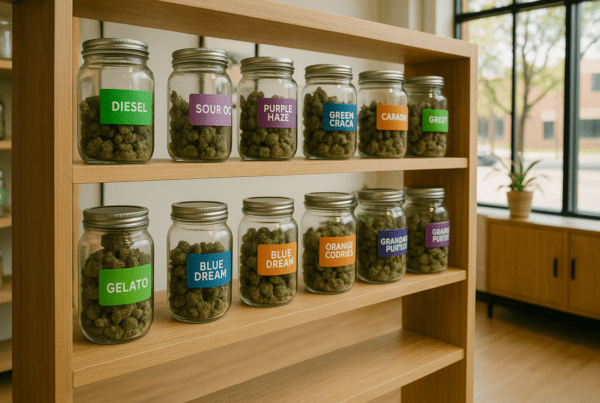


Walking into a dispensary these days, the way cannabis products meet the eye has subtly, but unmistakably, shifted. New packaging mandates require cultivators and companies to rethink how their products appear, how information is conveyed, and even how consumers interact with the items before making a purchase. This isn’t just about slapping a government warning on the label; it’s a ripple that touches everything from branding to shelf impact.
Packaging That Speaks More Than Just the Brand
One of the first things you notice is that product containers have become a kind of storytelling vehicle. Companies are carving out space on their packaging for mandated health warnings, child-resistant features, and sometimes dosage information. These elements limit the available real estate for artistic graphics and brand-centric messaging, which historically formed that emotional hook for buyers. What stands out now is how brands navigate this new terrain. In some cases, entire sections of the label dedicated to design have been pared down, forcing a more restrained approach that leans heavily on minimalism or sharp typography.
At the same time, the prominence of regulatory text varies across products. Certain jurisdictions require very specific font sizes or placement for warnings, which can result in less uniform packaging aesthetics across states or regions. For consumers accustomed to browsing by familiar visual cues, those variations add a complex dimension to brand consistency.
Child-Resistance and Consumer Engagement
Child-resistant packaging is not new in cannabis, but with recent updates, companies are diversifying their approaches. Some use push-and-turn caps, while others lean on thicker blister packs or intricate seals. From a practical standpoint, these features are crucial and non-negotiable. Yet for users, there can be noticeable friction in opening products, particularly those who purchase daily or medically.
This change nudges packaging into an intersection of safety and convenience that not every brand balances smoothly. For example, some single-dose edibles now carry within their package individual child-resistant compartments. This kind of modular safety measure can protect children effectively but also requires consumers to learn new methods of use. It is a tangible shift in the tactile experience of cannabis products, signaling a broader push toward responsibility with a dose of complexity.
Environmental Squeeze and Industry Reactions
Packaging dominated by safety and regulatory text often means more materials, or bulkier materials, which raises another conversation about environmental impact. Some companies, especially smaller ones, find themselves squeezed between compliance and sustainability goals. Recent mandates sometimes don’t align easily with biodegradable or reusable materials, leading to a patchwork of solutions.
In response, a handful of brands are experimenting with innovative materials like compostable films or recycled plastics that meet child-resistant criteria. There are also interest pockets in simplified designs that cut down on unnecessary layers, which occasionally match consumer preferences for less waste. Still, industry observers note that sustainable packaging in cannabis remains a challenging frontier when regulations emphasize rigid safety standards.
Consumer Understanding and Information Overload
With extensive mandated text, health warnings, and sometimes detailed potency or ingredient disclosures, cannabis packaging can feel overwhelming. For seasoned consumers, this might not be new territory, but casual users or those new to cannabis can find deciphering labels taxing.
Many brands have taken to offering QR codes or online resources alongside packaging, aiming to offset on-container clutter by directing customers to more in-depth explanations. This adds a layer of digital interaction that manages the trade-off between compliance and clarity. However, it does depend on consumers having the inclination and ability to use smartphones in the moment of purchase, which is not a given in every scenario.
Real-World Observations and Market Implications
The cumulative effect of these widespread packaging changes is a market landscape that feels evolving yet uneven. Some brands have embraced the challenge, emerging with sleek, thoughtful designs that balance new requirements without losing personality. Others face hurdles crafting packaging that passes regulatory muster while still attracting attention in a competitive environment.
For consumers, the visual language of cannabis packaging is shifting, which may affect loyalty and purchase habits in subtle ways. Shelf presence now demands more than just attractive art; it needs to communicate trust, safety, and compliance all at once. Watching how this balance plays out over time will offer insights not just into branding but into how regulations shape industry culture and consumer expectations.
It is clear that packaging in cannabis is no longer merely a container for the product. It serves as a regulatory interface, a safety tool, and a critical piece of the consumer’s decision-making process. Understanding these new layers can help decode why a product looks the way it does today and hint at how future developments may continue to influence this evolving space.
For those interested in the detailed regulatory background shaping packaging, resources like the FDA’s cannabis research and regulation page and state-specific guidelines, such as those provided by Washington State’s Liquor and Cannabis Board, offer extensive insight. Industry publications like Cannabis Business Times also regularly cover packaging trends and regulatory shifts shaping the space today.
Reflecting on these observations suggests that packaging mandates are more than simple rules. They are forces that ripple through design, consumer experience, safety, and environmental impact in ways complex enough to hold the attention of anyone watching cannabis products evolve on the shelf.
Sources and Helpful Links
- FDA on Cannabis Research and Regulation – An overview of federal regulatory perspective and research surrounding cannabis.
- Washington State Liquor and Cannabis Board Packaging & Labeling – State-specific packaging rules and guidance.
- Cannabis Business Times – Trade publication with updates and analysis on industry packaging trends.