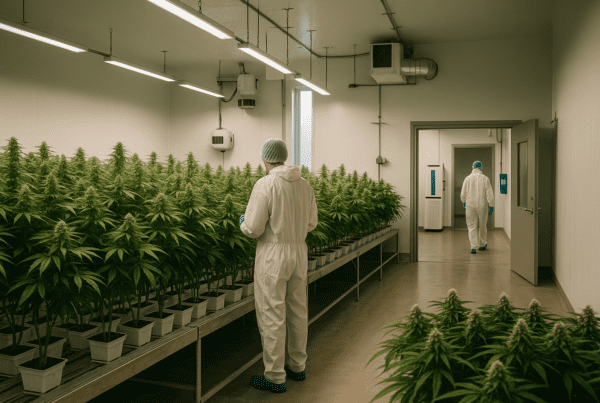

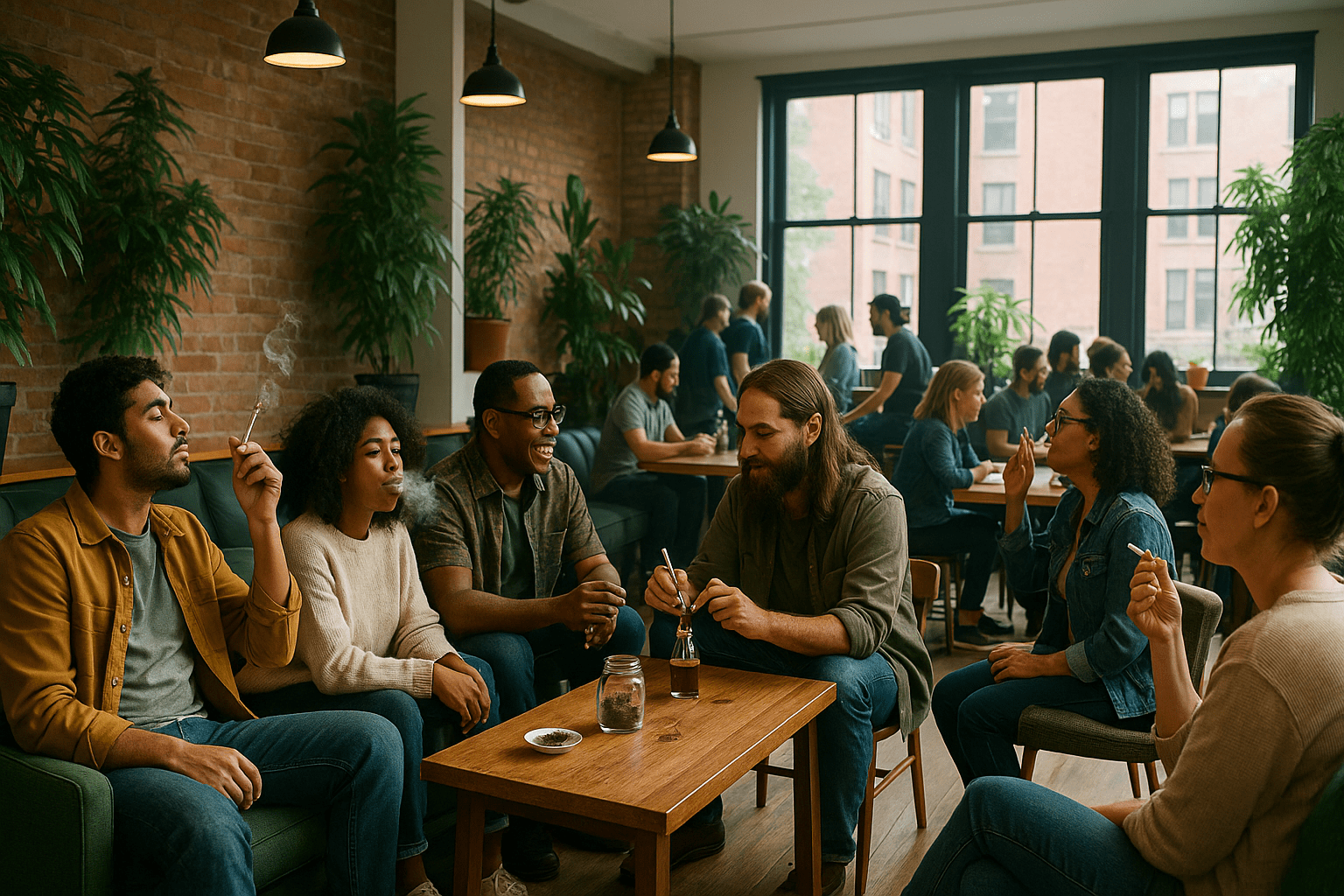
When cannabis became legal for adult use in various states, the assumption often was that consumption would stay mostly confined to private homes. This pattern made some sense for early regulatory frameworks focused on keeping usage discrete and minimizing public exposure. Yet, over time, a shift has taken hold as folks look for more communal ways to enjoy cannabis. This desire taps into a broader cultural trend—people often want to share experiences, and cannabis is no different. Social consumption spaces are where this real-world behavior is finally finding its place in state-level policy and practice.
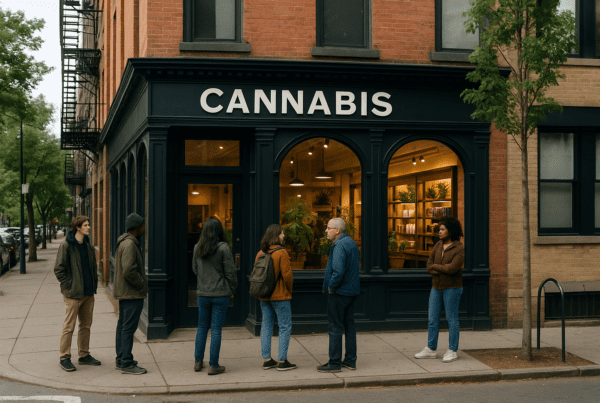
These spaces range from lounges and cafes to events and pop-up venues designed specifically for on-site cannabis use. They provide controlled environments where adults can legally gather, which contrasts with the occasional legal quagmire of public consumption or private parties. States that have adjusted their cannabis rules to explicitly allow social consumption demonstrate how legal frameworks can evolve in response to social patterns, business innovation, and community interest.
A Patchwork of Rules and Community Responses
Not all states approach social consumption the same, reflecting differing political climates, public health priorities, and local norms. California is often highlighted for pushing forward with social consumption pilot programs and temporary events. Cities like Los Angeles have hosted cannabis lounges that operate under permits, testing the waters for what sorts of policies balance regulation with consumer demand.
Colorado offers a somewhat different story. While early legalization pioneers, many municipalities chose to ban on-site consumption wholly or partially. The stance on social consumption remains uneven across the state, underlining local autonomy and the varying comfort levels communities have about this new form of socializing.
Such variation matters because it shows social consumption is not just a matter of rolling out new venues, but a complex interplay of public opinion, health concerns, regulatory controls, and business models. Public safety issues, such as managing impaired driving and ensuring proper ventilation, frequently come up in discussions around social consumption spaces.
The Business of Social Cannabis and Regulatory Shifts
Entrepreneurs see opportunity as these legal adjustments take shape. Cannabis cafes, tasting rooms, and lounges are opening in states that explicitly permit them, often combining consumption with food, entertainment, or educational experiences. The economic impact extends beyond cannabis sales—it touches hospitality, tourism, and local tax bases.
Yet building compliance within shifting rules can be challenging. Regulations often require segmentation between medical and adult-use cannabis, limitations on types of products consumed on-site, or even curfews. Some states insist on smoke-free environments but allow vaping or edibles, influenced by broader public health trends.
This patchwork of rules pushes businesses and regulators to find a working balance. For example, Oregon has permitted cannabis social lounges but with strict oversight amid concerns about consumption near minors or nuisance complaints. These nuances shape how the market develops and what kinds of social consumption experiences become sustainable.
A Social Venue for Changing Norms
The emergence of cannabis social consumption also mirrors how cannabis culture continues to weave into mainstream life. For decades, smoke circles and private gatherings were a central part of cannabis experiences but existed in legal gray zones, or even outside the law. Now, with more states embracing legal frameworks, the cannabis experience increasingly resembles other adult leisure activities, such as going to a bar or coffee shop.
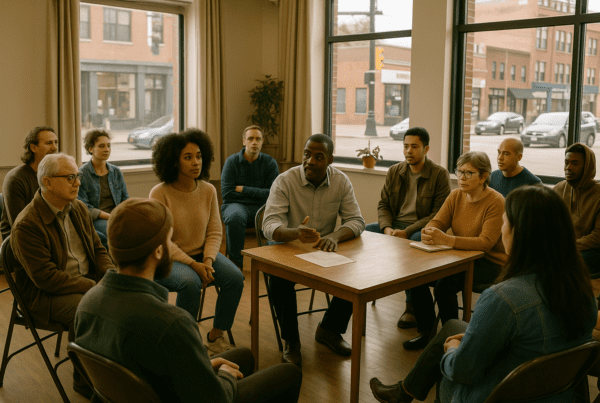
With social consumption spaces come new layers of inclusion and exclusion too. Accessibility, affordability, and comfort vary widely. Venues often serve as hubs for socializing, education, and sometimes activism, yet can also highlight ongoing disparities around cannabis access and stigma.
Moreover, these spaces often spark conversations about responsible use and social norms. Unlike consuming at home, social venues encourage interaction, sometimes making people more mindful about behavior, dosage, and sharing cannabis. It’s a developing scene that reflects evolving attitudes toward cannabis alongside public health messaging.
Local Flavor and Future Conversations
The future of cannabis social consumption will likely be diverse, reflecting local cultures, legislative changes, and market responses. As more states consider policy adjustments, they may look to early adopters for lessons on managing public health, safety, and business impacts.
Community input remains critical. Some neighborhoods embrace these venues for their potential economic boost and social benefits. Others raise concerns about noise, youth exposure, or traffic. Conversations between local governments, business owners, advocates, and residents shape how regulations settle.
Ultimately, social consumption spaces are one of many examples of how cannabis legalization is still actively recalibrating societal routines, laws, and economies. They offer a new venue for adults to connect with cannabis in shared settings, and in doing so, underscore the delicate work of crafting policies that reflect lived realities rather than assumptions.
For those curious about how these spaces operate or where they are allowed, checking updated state cannabis agency guidelines can help navigate the current landscape. Recognizing that cannabis social consumption reflects evolving preferences within shifting legal frameworks helps understand why policy adjustments remain both urgent and complex.
Despite uneven implementation, the growth of social consumption spaces highlights cannabis’s journey from a private activity to a public social experience, and the ongoing negotiation between cultural practices and legal frameworks shaping this journey.
More detailed insights into cannabis social consumption rules can be found through resources like the Colorado Marijuana Enforcement Division and the California Bureau of Cannabis Control, providing current regulatory updates. For a broader view on how cannabis hospitality might evolve, the Leafly coverage of social consumption venues offers anecdotal perspectives and business trends.
Sources and Helpful Links
- Colorado Marijuana Enforcement Division – Official regulatory body overseeing cannabis retail and consumption rules in Colorado.
- California Bureau of Cannabis Control – State agency regulating cannabis licensing and social consumption policies in California.
- Leafly on Social Consumption Venues – Article detailing trends and challenges facing cannabis social consumption businesses.
- Oregon Liquor and Cannabis Commission – Guidance document on cannabis social consumption events and lounges in Oregon.