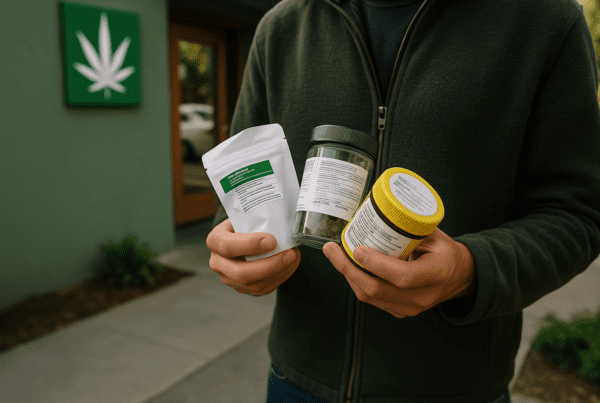

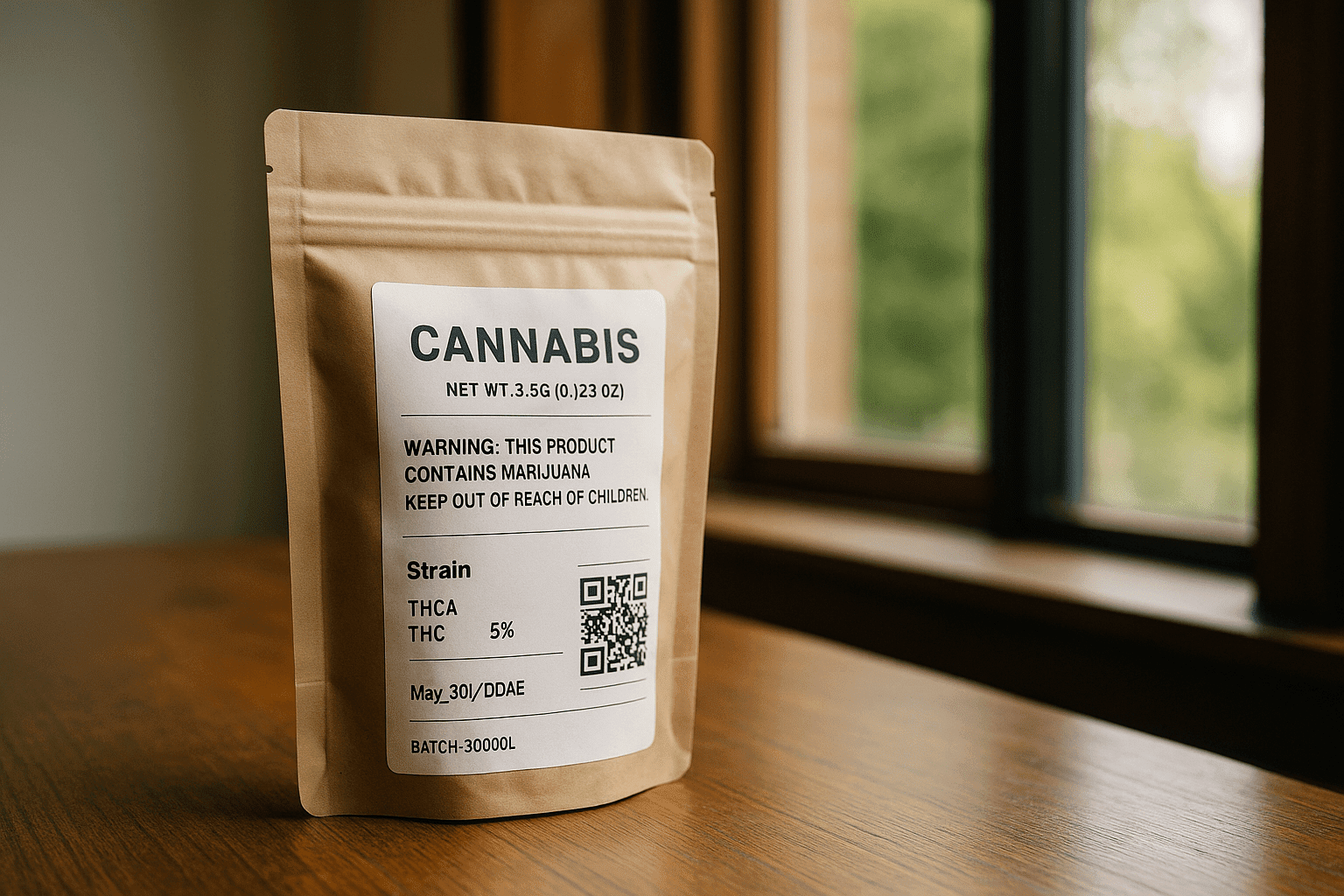
For anyone paying attention to the cannabis industry, there is a noticeable evolution in how consumers approach transparency from brands and products. Beyond the simple details of numbers on packaging or a brand’s general reputation, buyers increasingly expect a richer picture that includes where, how, and under what conditions their cannabis was cultivated and processed. This shift toward layered transparency speaks volumes about the growing sophistication of cannabis consumers and the maturing marketplace.
More than just percentages or testing results
In the early days of legal cannabis sales, transparency often meant something straightforward like listing THC or CBD percentages and providing a lab result to confirm potency and safety from basic contaminants. These pieces of information remain important as basic trust signals, but in recent years they have become a baseline rather than a finishing point. Customers want context to surround these numbers. They ask about cultivation: Was the cannabis grown outdoors or indoors? Were sustainable or organic methods used? How carefully was the plant harvested, cured, and packaged?
The expectation is no longer limited to numbers alone but extends toward understanding a product’s story—a value system that may embrace environmental responsibility, fair labor practices, or community involvement. This mirrors wider consumer trends seen in other industries, like food or wellness, where the journey of a product matters alongside its content details. Cannabis users, some who are longtime aficionados and others just beginning to explore, find reassurance in knowing more about their choices.
Brand openness reshaping packaging and interaction
Businesses have responded by making a concerted effort to share more. One of the most visible signs is changes in packaging design, incorporating richer content such as QR codes that link customers to detailed lab reports or traceability records. Some brands highlight cultivation approaches openly, whether it’s emphasizing organic soil health practices, sustainability efforts, or dedication to local community partnerships. These elements build a sense of identity and authenticity beyond the product itself.
This kind of transparency does not come without effort. Developing more comprehensive information and maintaining up-to-date digital records increases operational costs and complexity. Still, brands see this as an investment to differentiate themselves in a crowded market where consumers increasingly reward openness with loyalty. Research repeatedly underscores that when consumers can easily access credible, thorough information, their purchasing decisions feel less like guesses and more like informed selections.
Complexity brought by patchy regulations across regions
The regulatory environment across the cannabis landscape adds layers of challenge and opportunity for transparency. Different states and countries adopt varied and sometimes conflicting rules about what must be tested and disclosed, how testing is conducted, and what language appears on packaging. In some regions, rigorous safety and labeling standards create a strong baseline. In others, looser frameworks or inconsistent enforcement lead to gaps or confusing disparities that confuse consumers, especially those who shop across borders or online.
In this patchwork, both regulators and market participants wrestle with questions about how much detail is genuinely beneficial. Some consumers praise deep insights, such as terpene breakdowns, farming methods, or cannabinoid profiles beyond THC and CBD. For others, too much data can feel overwhelming or technically daunting. The takeaway is that true transparency is unlikely to be a one-size-fits-all approach. Instead, it will mean adjusting the level and style of information to fit different consumer segments and usage contexts.
How product variety shapes what transparency means
Looking closer at the different cannabis categories underlines how varied these expectations can be. Buyers of flower, for example, might first notice the visual quality of trichomes or the fragrance, but increasingly they look to harvest date, curing process, or even seed genetics. For those choosing edibles, beyond the cannabinoid dosage, attention to ingredients, allergens, and certifications like organic status grows. Concentrates and extracts introduce yet another transparency layer, emphasizing extraction methods and checks for residual solvents.
All these details matter differently depending on how the product is used and who the consumer is, showing that brands and retailers have to be savvy in aligning their transparency efforts with genuine consumer concerns rather than applying broad formulas or generic labeling. If they fall short, customers may fill the void with assumptions, skepticism, or reliance on marketing claims that don’t deliver true clarity.
A changing landscape influenced by technology and consumer voice
Emerging technologies hold potential to transform cannabis transparency even further. Some companies have begun integrating blockchain and other distributed ledger systems into their supply chains. These innovations aim to provide consumers with near-irrefutable verification of products’ journeys from seed to sale. This would allow anyone scanning a code to trace history back through cultivation, processing, and testing points without depending solely on brand or retailer guarantees.
Meanwhile, consumer advocacy groups remain active in pushing for better education and clearer language around cannabis composition, effects, and risks. Their work emphasizes that transparency is not only about raw data accessibility but also about making sure information is presented in ways that help people understand what they are consuming and how it might affect them.
This two-way pressure from technology advancement and consumer empowerment nudges the cannabis industry toward a marketplace shaped by honesty and responsibility. Brands that lag in transparency risk losing relevance as well-informed buyers endorse openness and ethics as central values. Seeing this unfolding process gives a glimpse into the larger cultural transformation of cannabis from a once shadowy product to a complex, human-centered market with emergent standards and trust mechanisms.
Whether shopping at a local dispensary with a knowledgeable budtender or browsing extensive online menus, today’s cannabis shoppers inhabit a world where transparency leaves a distinct mark on the experience. It informs trust, influences perception, and shapes the personal choices consumers make based on their own values and curiosity.
Transparency is a concept that continues to evolve as the industry grows and markets deepen. It moves beyond numbers or regulation, tapping into wider societal conversations about ethics, sustainability, and connection to the products we use daily.
Watching these shifts in consumer attitudes toward cannabis transparency offers a unique window into how this market might continue to develop and what it means for everyone who interacts with it, from producers to end users.
Sources and Helpful Links
- FDA on Cannabis Regulation, an overview of how government agencies approach safety and labeling.
- NACB, the industry’s standard for cannabis testing and quality assurance.
- Leafly on Changing Cannabis Packaging, reporting on evolution in branding and transparency strategies.