
Indoor cannabis cultivation has been a cornerstone of the industry for decades, praised for its ability to offer consistent quality and control over the growing environment. Yet, this practice also carries with it an unmistakable challenge — the substantial energy consumption required to maintain lighting, temperature, humidity, and air circulation. As society increasingly grapples with climate change and sustainability, these energy demands draw more scrutiny, and the cannabis industry finds itself negotiating a delicate balance between operational needs and environmental impact.
Why Indoor Growing Draws Energy Like No Other Crop
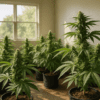
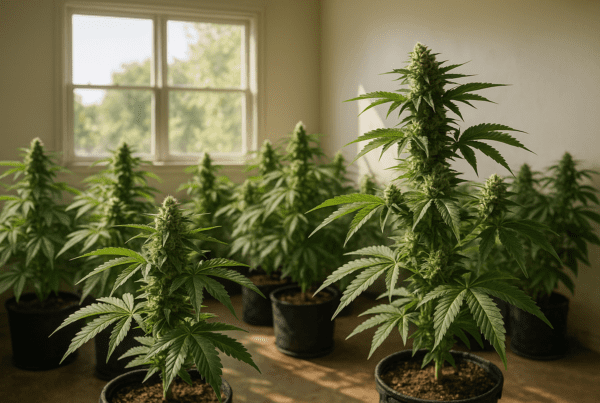
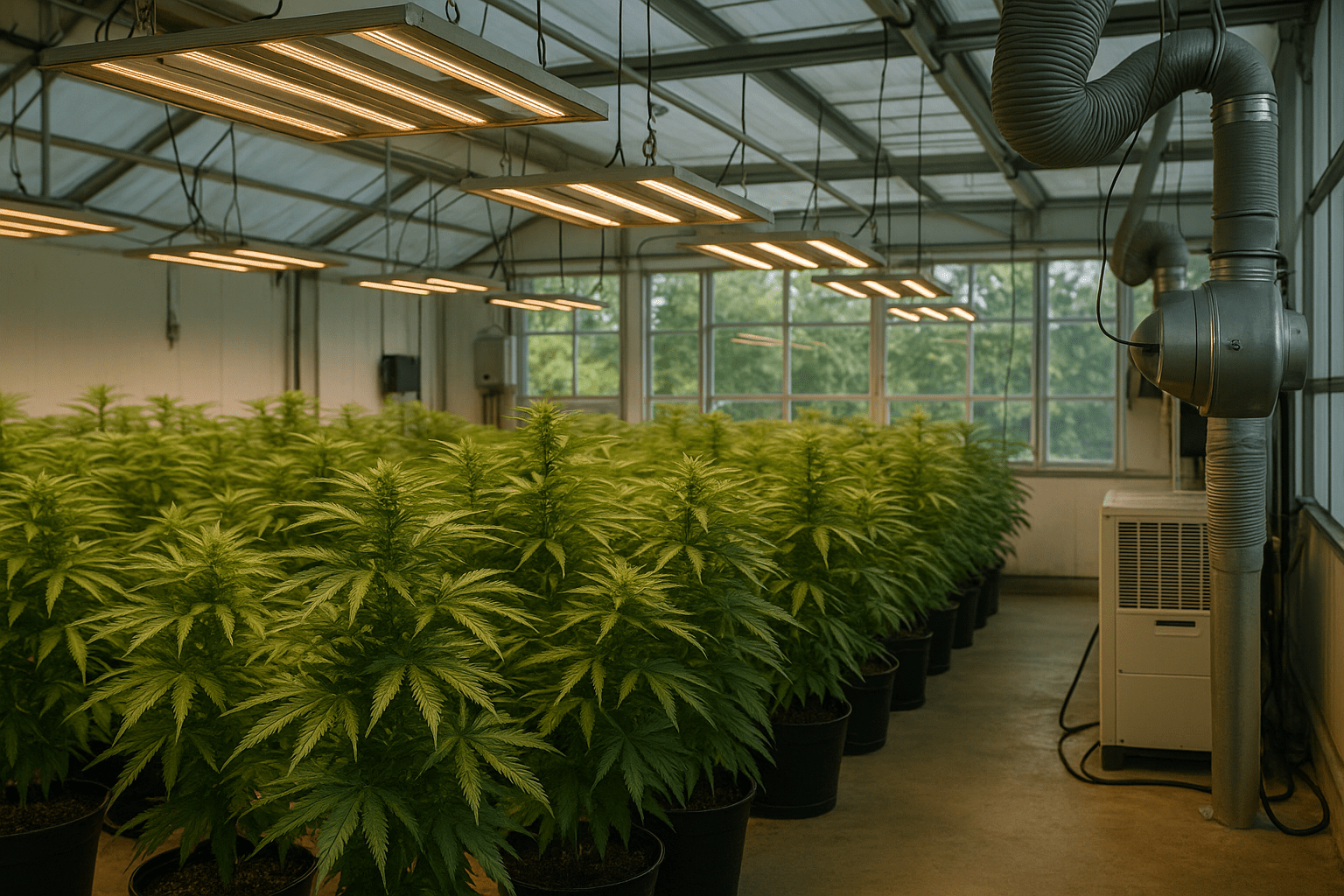
Cultivating cannabis indoors means replicating the conditions the plant flourishes in outdoors, only inside a confined space. This involves powerful lighting systems that simulate sunlight for long hours, typically between 12 to 18 hours per day during growth phases. High-intensity discharge lamps were once dominant but many growers now move toward LEDs, which do consume less electricity but still require considerable power.
Beyond lighting, indoor grows rely on HVAC systems to keep temperatures and humidity levels in tight ranges, preventing mold and stress that degrade plant quality. Fans, dehumidifiers, air conditioners, and filters all contribute to the electricity bill. The energy needed here is not merely a hobbyist’s expense; commercial-scale grows can operate thousands of square feet of cultivation space, which adds up quickly.
For context, research spanning multiple regions has identified cannabis cultivation as a notable source of residential electricity consumption where it is legal. A 2019 study from the National Renewable Energy Laboratory highlights that cannabis operations can use more energy per square foot than many other types of agricultural or commercial activities. This is a reality that invites reflection from greenhouse managers to policymakers.
The Tug of War Between Quality and Sustainability
Taking the environment seriously does not mean growers want to give up control over their crops. Every variation in light spectrum, airflow, and air cleanliness influences the cannabis plant’s terpene profiles, cannabinoid levels, and overall health. Sometimes, these factors translate into noticeable differences for consumers, influencing both aroma and effect.
In practical terms, this means energy-saving solutions must fit into a complex puzzle. Approaches relying solely on reducing power might sacrifice yield or quality. On the other hand, ignoring energy usage risks mounting community and regulatory pressure. Some municipalities are already implementing strict rules about cannabis energy use, with demands for efficiency upgrades or renewable power integration.
Innovative commercial cultivators often experiment with integrated systems that combine precision environmental controls with energy-saving technology. Variable-speed fans, air exchange timing, and programmable lighting schedules aim to optimize usage. Meanwhile, some operations pursue certifications that signal environmental responsibility, aiming to attract a sustainability-minded market segment.
Emerging Alternatives and Industry Shifts
Across the industry, we see an increasing number of growers turning to hybrid solutions, mixing natural light from greenhouses with supplemental LEDs. Though not strictly indoor cultivation, these hybrid models often deliver similar quality to fully indoor grows but can trim energy costs meaningfully.
Renewable energy also gains traction. Solar panels on commercial warehouses provide power directly or feed back into the grid, offsetting daytime consumption. In some regions, programs offer incentives for clean energy adoption, and savvy operators take advantage of these opportunities. Still, adjustments like energy storage or grid upgrades present additional hurdles.
Outside of the growers and operators, the conversation includes utilities, governments, and communities. Some utilities are cautious about the load cannabis cultivation places on infrastructure, adjusting rate structures or maximum allowable usage. Meanwhile, regulators have to balance industry growth and job creation against environmental mandates.
Technological advances continue quietly beneath the surface, with companies developing more efficient lighting, climate control, and energy management systems tailored to cannabis. Given the plant’s unique needs, general horticulture solutions sometimes fall short, inviting specialized innovation. This means the energy story is not static but evolving alongside cultivation practices.
Reflecting on What Lies Ahead
Cannabis growers have long shown adaptability. The tension between the plant’s requirements and energy concerns is unlikely to resolve quickly or neatly. Yet, the sustained focus we see from multiple angles suggests a gradual move toward more sustainable practices. As consumer awareness grows around environmental footprints, markets will respond accordingly.
We must also keep in mind that indoor cultivation remains vital for many growers, particularly in regions with harsh climates or where outdoor cultivation faces legal and security constraints. The energy impact should not be an afterthought but a complementary concern alongside product quality and safety.
Observing the ongoing changes, one appreciates the complexity of the balancing act rather than expecting simple answers. Success lies in incremental improvements and an openness to innovation supported by clear-eyed engagement with sustainability issues. This is a story that will continue unfolding as cannabis cultivation itself evolves.
For those who want to dig deeper, reports from the U.S. Department of Energy and analysis by Project CBD offer perspectives at the intersection of energy and cannabis production. These resources provide grounding beyond anecdotes and show how the landscape must keep adjusting to new realities.
The conversation around indoor cannabis cultivation and energy is a live experiment in balancing complex demands. It is a quietly unfolding chapter in the plant’s larger history, where industry, science, and community meet head on with the limits of our resources.
Sources and Helpful Links
- National Renewable Energy Laboratory, research on energy use by cannabis cultivation in the U.S.
- U.S. Department of Energy – Solar Energy Technologies Office, information on solar power advancements and their potential for growers
- Project CBD, analysis and reporting on cannabis cultivation energy impacts and sustainability challenges