
It is becoming a quiet trend among cannabis growers to revisit how ultraviolet light impacts their crops, moving away from the old playbook that urged pushing light exposure to its extremes for maximum potency. Instead, an increasing number of cultivators are experimenting with low-UV cannabis cultivation, intentionally dialing down ultraviolet light to see what unfolds beneath these gentler conditions.
Traditional cannabis lighting setups often strive to imitate sunlight, deploying full-spectrum bulbs that include UV rays thought to stimulate cannabinoid and terpene production. However, the move toward lower UV levels reflects a deeper curiosity and willingness to tinker with light spectra, gently challenging long-held assumptions that more UV always equals better buds.
Growth under a Softer Light
One of the more consistent observations reported by growers is that reducing UV does not stunt plants, but rather smooths out some of the stress signals plants usually emit under intense UV exposure. Normally, ultraviolet rays encourage cannabis plants to ramp up production of protective cannabinoids to counteract potential damage, which can hasten flowering and resin buildup. In lower UV settings, plants seem to take a more patient developmental path.
This slower pace has tangible benefits, especially for delicate strains sensitive to light stress. Growers note reduced leaf tip burn and generally more even canopy development. The flowers might lack some of the extreme resin glisten seen in high-UV grows, but the overall quality and consistency often rise.
A cultivator from Oregon shared how lowering UV light helped manage finicky genetics. The risk of UV-induced sunburn dropped noticeably, leading to healthier leaves and a larger percentage of flower turning out saleable. It offered a reminder that cannabis quality depends on striking balances rather than just maximizing every factor.
Expanding on this, a few growers also mentioned that lower UV exposure seemed to extend the vegetative phase slightly, allowing plants to build more leaf mass before switching into flowering. This contributed to larger overall yields in some reports. The idea runs contrary to the traditional push for stress-induced flowering acceleration but seems promising for certain cultivars.
Reconsidering Potency and Flavor
Since cannabinoids like THC have been linked to plant protection against UV radiation, the natural worry when cutting UV exposure is a dip in potency. Yet reports on this front are far from uniform. Some growers say THC percentages hold steady while terpene profiles shift in subtle but meaningful ways.
Terpenes and aromatic oils are particularly responsive to changes in light spectrum. A horticultural advisor pointed out that trimming UV bands does not so much reduce psychoactive compounds as it tweaks the flavor and aroma bouquet. This can result in flowers that feel smoother or emphasize different scent notes without lowering effects.
There is also talk about how low-UV conditions may reduce the synthesis of harsher or more aggressive terpenes, potentially creating a more approachable smoke or vapor. For consumers who find some cannabis strains too sharp or pungent, these shifts could be noticeable and welcome.
Still, the complexity of how cannabis chemistry interacts with light means more detailed research is needed to confirm consistent patterns and identify which strains benefit most from these adjustments.
Lower Energy Use and Facility Impacts
Beyond plant biology, dialing back UV light carries practical consequences for energy consumption and environmental control. UV bulbs, especially those producing UVB and UVC rays, often require more power and create heat loads that indoor growers must counteract with ventilation and cooling.
By contrast, low-UV lighting regimes ease these demands. Several cultivators remark on cost savings from smaller electricity bills and simpler climate management systems. Reducing heat stress can especially benefit grows in warmer climates or in less ventilated spaces where every degree counts.
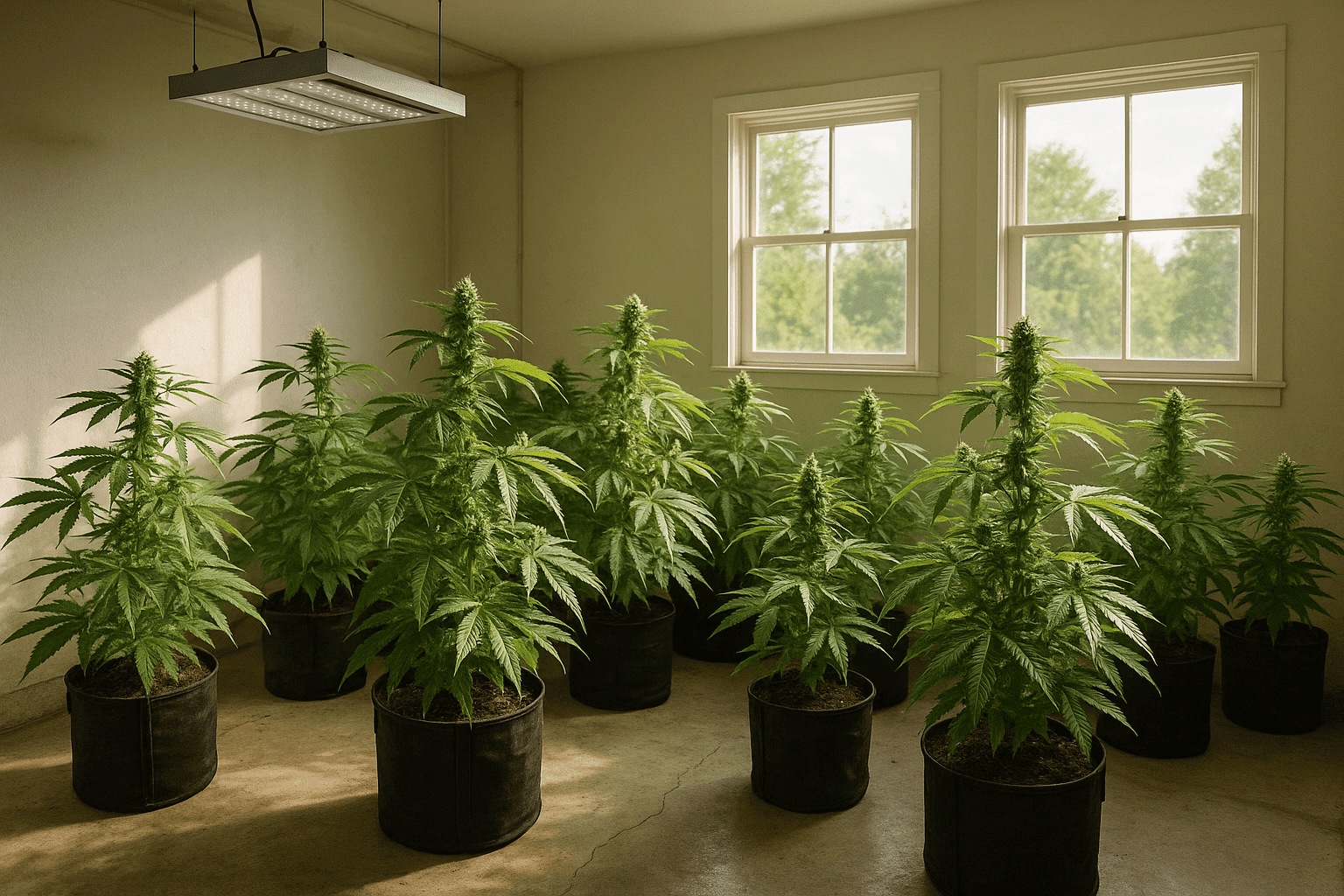
Technological approaches vary among cultivators. Some rely on LED arrays tuned to emit limited UV wavelengths, enabling precise spectral adjustments. Others manage UV naturally, tempering sunlight exposure with greenhouse films or shading techniques.
Some commercial growers have begun measuring how decreasing UV exposure extends lamp life, reducing the frequency of bulb replacements and maintenance downtime. These longer-term financial impacts factor into decisions around light design as much as immediate plant effects.
The Larger Puzzle of UV and Cannabis Growing
Conversations about UV light tie into wider questions about cannabis cultivation ecosystems. Ultraviolet rays influence factors like pathogen suppression, pesticide degradation, and plant stress responses, weaving a complex web of effects beyond mere growth and potency.
For instance, UV light can help sanitize surfaces and reduce microbial threats, so lowering UV means growers might need to compensate with rigorous sanitation routines. Plants accustomed to outdoor UV patterns might also behave differently indoors under modified lighting.
Experienced cultivators combine their light experiments with attention to airflow, nutrients, and genetics. None of these elements act alone. Watching how these variables interact under low-UV regimes paints a broader picture about cannabis growing as a nuanced art and science.
Particularly for growers transitioning from outdoor to indoor grows, understanding how natural sunlight cycles and UV exposure influence plant morphology can guide better room designs and light recipes. Customizing UV levels to strain specifics and growth phases appears increasingly important.
Resources like Cannabis Business Times offer ongoing perspectives on light management challenges and opportunities. Meanwhile, Growers Network hosts conversations attuned to real-world experience and shared learning. Regulatory frameworks, such as those outlined in Alberta’s cannabis lighting guidelines, additionally shape how lighting adjustments are integrated at commercial scale.
As more growers adopt low-UV cultivation methods, the cannabis community quietly gathers insights, trading stories, and refining techniques that may redefine what optimal light conditions look like for cannabis moving forward. The balance of plant health, yield quality, sensory experience, and energy use creates a shifting landscape where light spectra are part of a bigger environmental puzzle.
Sources and Helpful Links
- Cannabis Business Times – Insights into managing light intensity and its effects on cannabis growth
- Growers Network – Community forums and expert advice from cannabis cultivators
- Alberta Cannabis Lighting Guidelines – Regulatory guidance on cannabis cultivation lighting practices