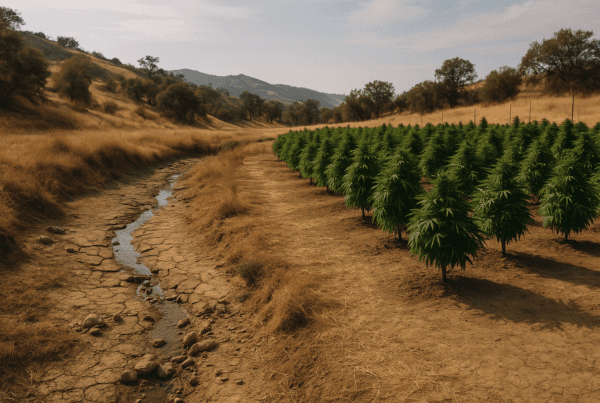

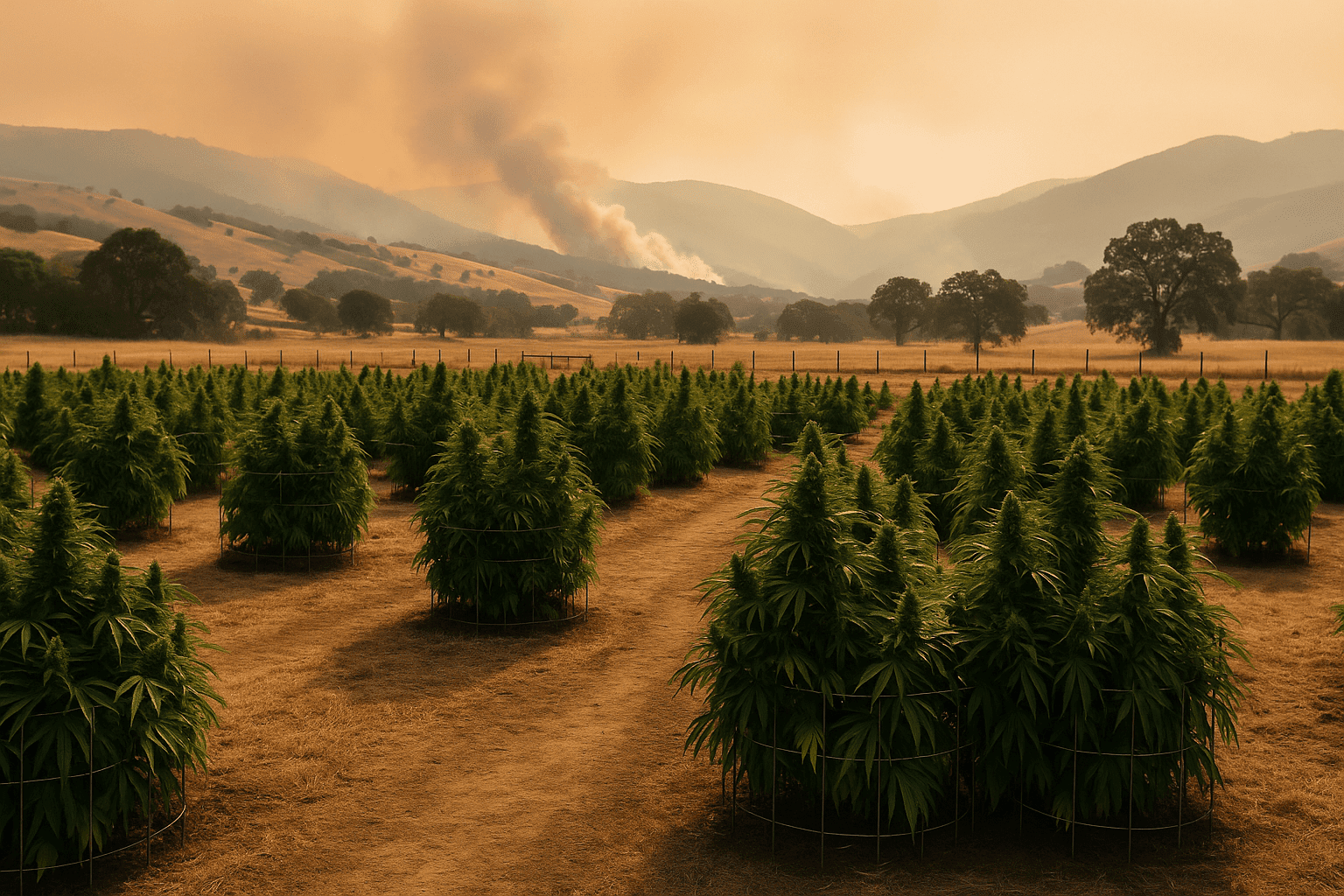
California’s outdoor cannabis culture has long been in tune with the state’s diverse and generally predictable climate patterns. For years, the rhythm of a reliable spring planting, summer sun, and careful fall harvest formed the backbone of cultivation strategies. However, the recent climate shifts altering temperature trends, rainfall schedules, and wildfire activity are reshaping how growers approach each season, revealing the fragile balance between crop and environment.
The Weather’s Slow Drift and Its Impact on Growth
California’s cannabis growers once leaned on relatively fixed environmental cues. Calendars marked safe frost-free planting times, summer heat that boosted flowering, and autumn rains that signaled the final push for harvest. Today, those markers are less dependable. Frost warnings arrive unpredictably early or late, summer dryness sometimes gives way to sudden storms, and the timing of rains becomes harder to estimate.
These changing patterns do more than dictate planting dates; they subtly alter how plants grow. Research at the University of California Agriculture and Natural Resources highlights how variable humidity and temperature can shift terpene production, which is crucial for flavor and aroma, along with changes in cannabinoid profiles that influence the plant’s effects. Growers report that year to year, their harvests exhibit nuanced differences in smell and potency that reflect these shifting conditions.
Flexible Tactics in an Unpredictable Climate
Adapting to these new wrinkles involves more than adjusting the calendar; it means rethinking strain selection, cultivation methods, and resource management. Some growers have moved planting schedules to better avoid moisture during flowering stages, while others opt for hybrid strains known for resilience against fluctuating temperature swings and mold.
The expansion of microclimates within major growing areas introduces both complexity and opportunity. It encourages diversification, allowing growers to spread risk across different locations and conditions. This patchwork approach favors more attentive monitoring, as each microclimate demands its own care and timing to optimize yield and quality.
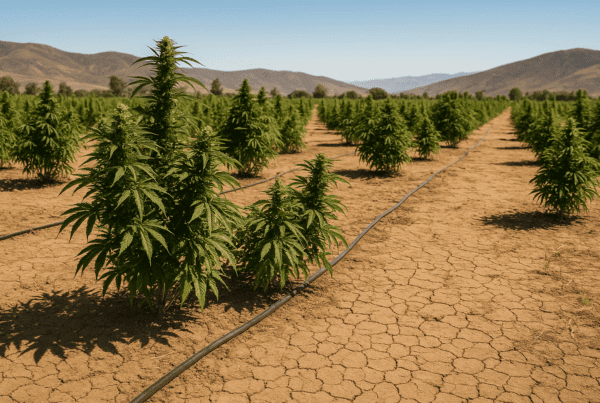
Water use has also become a focal point for strategy. Drought conditions make traditional irrigation less sustainable, prompting many to adopt drip irrigation coupled with soil moisture sensors, aiming to deliver water precisely when and where plants need it most. Techniques such as rainwater harvesting and enriching soil with organic matter act like buffers, helping to retain moisture and lessen the impact of unpredictable rain patterns. This reflects a shift from relying on historic norms toward a more resilient, resource-conscious mindset.
Wildfire Smoke and Its Silent Effects on Buds
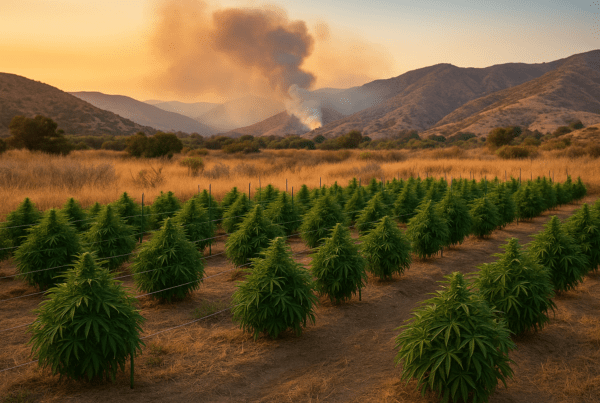
In recent years, wildfires have etched themselves into the cannabis growing calendar as an unwelcome variable. Smoke can linger, coating plants and potentially altering the chemistry within. Beyond the physical film of soot, some cultivators have observed that exposure to smoky air during critical growth phases can mute aromatic profiles, softening the distinctive scents that define quality cannabis.
Organizations like Cannabis Insights explore how compounds in wildfire smoke may integrate into cannabis flowers, affecting consumer experience. To mitigate these effects, some growers shift to staggered harvests or accelerate the timeline to avoid heavy smoke days, though balancing this with other weather challenges often requires compromises.
Longer Seasons Bring New Calculations
Warmer falls sometimes offer extra sunshine and heat, extending the cannabis growing season beyond previous expectations. This longer timeline can be a boon, allowing buds more time to develop trichomes, which contain both cannabinoids and terpenes, potentially boosting potency and overall yield.
Still, this benefit comes with risk. Extended ambient moisture exposure, occasional frost, and late-season rains have the potential to shorten the viable harvest period suddenly. Growers must decide how much extended maturation is worth when the threat of environmental damage grows with each additional day outdoors.
Facing Uncertainty with Research and Practical Wisdom
Looking ahead, uncertainty in climate forecasts challenges growers to stay nimble. The UC Davis Cannabis Research Initiative remains an important resource, examining how environmental variables shape cannabis cultivation and quality across California’s vast growing regions. Meanwhile, publications like MJBizDaily track broader industry trends, including how climate factors influence production, helping cultivators and businesses navigate complex realities.
Technologies providing satellite and climate data from programs such as NASA Earth Data offer layers of insight that can put local weather experiences into a global context. This data empowers growers with deeper understanding to anticipate challenges and experiment with solutions grounded in both science and lived experience.
California’s outdoor cannabis growers remain in a dynamic dialogue with their environment. As the land and sky shift, the relationship between cultivator and crop grows more intricate, rooted in observation, adaptation, and a steady commitment to the craft of growing.
Sources and Helpful Links
- University of California Agriculture and Natural Resources offering research and extension on California agriculture including cannabis and environmental factors
- UC Davis Cannabis Research Initiative dedicated to advancing knowledge about cannabis cultivation and its relationship with environment
- MJBizDaily providing cannabis industry news including climate impact on production
- NASA Earth Data offering satellite and climate data useful for understanding weather trends affecting agriculture
- Cannabis Insights sharing research on cannabis chemistry and environmental influences