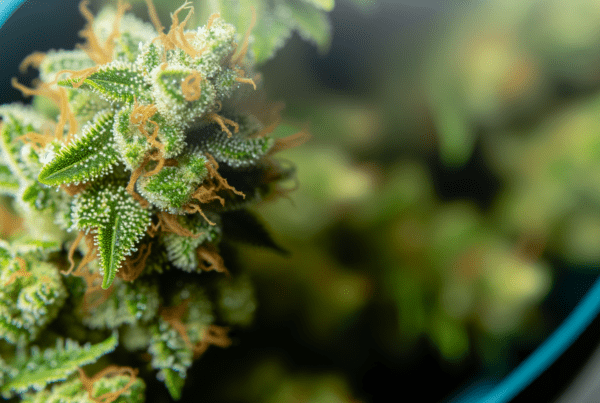


In Oregon’s cannabis scene, few things seem as constant as change. Over the last year, new policies focused on pest management have been rolling out, quietly coaxing growers to adjust their approaches. It is not just about what products can be sprayed anymore, but the entire mindset around cultivation is inching towards fresh horizons shaped by regulation and concern for safety.
Shifting Patterns in Pesticide Use
For years, cannabis producers faced a complicated patchwork of rules when it came to pest control. Oregon has now tightened its grip, partly influenced by consumer demand for cleaner, safer products and broader legal dynamics. With the Oregon Health Authority (OHA) tightening which pesticides are allowed to tackle common cannabis pests, many growers find themselves reading labels and hunting for alternatives more often than before.
This is a species highly susceptible to mites, aphids, powdery mildew, and other quirky invaders with persistent appetites. Previously accepted chemicals have been phased out or restricted, compelling cultivators to dig deep into newer, sometimes organic-based options or embrace nonchemical methods.
For example, the permitted pesticide list published by Oregon’s OHA (Oregon Cannabis Pesticide Program) has shrunk over time, with some potent compounds being removed due to health concerns. This leaves a narrower band of chemistries that are considered both safe for workers and end-consumers.
The Ripple Effects on Cultivation Strategies
The restriction of conventional pesticides nudges growers to adjust more than just their sprays. Some cultivators are investing in enhanced monitoring, including sticky traps and regular scouting for pest hotspots. The idea is to catch infestations early because options to knock them down after establishment are more limited.
Within indoor grows, integrating beneficial insects; tiny predatory mites or parasitic wasps have become a more common sight as biological control gains traction. Although this requires upfront investment and know-how, it can reduce reliance on chemicals now carefully regulated.
Outdoor growers, who battle an even wilder set of environmental variables, report feeling particularly squeezed. Weather conditions influence pest populations heavily, making rigid pesticide schedules less practical in an ecosystem adapting to regulation.
On the other hand, preventive approaches such as crop rotation and aggressive sanitation are seeing renewed interest. These are tried-and-true agriculture methods that do not rely on any sprays but demand more labor and planning.
Market and Compliance Pressures Weigh In
Beyond the field, compliance with testing has become a focal point in Oregon’s cannabis market. As part of the pesticide oversight system, cannabis products undergo batch testing for residues. If residues exceed thresholds or include banned substances, products can be flagged, rejected, or destroyed. For commercial growers, this can mean a substantial economic hit.
Such realities have filters into what cultivators choose to grow and how they approach pest risk. Some smaller players admit to focusing on strains known for stronger natural pest resistance to avoid potential contamination scandals. Others have dialed back outdoor production, favoring controlled indoor environments despite the higher cost structure.
Traders and dispensaries also watch these effects. Reliable supply and consistent quality mean adherence to new pest rules becomes more than a formality. It feeds into a reputation system where safety and transparency now weigh alongside price and potency.
Voices from the Grower Community
Looking at grower conversations in forums and local meetings reveals a mix of frustration, adaptation, and curiosity. Some lament the loss of certain pesticides that they feel were effective and relatively low-risk if applied properly. Others see the restrictions as an opportunity to improve the overall health of their growing environments and final product.
One grower recently noted on a local Oregon cannabis cultivation podcast that the policy changes have pushed their team to embrace integrated pest management principles more seriously rather than relying on quick-fix sprays. They described learning curves and unexpected benefits, including better plant vigor and fewer surprises come harvest.
Community resources such as Oregon State University Extension Service periodically update growers with research and advice on pest management under the new regulatory landscape (OSU Cannabis Resources). These efforts help turn what can feel like hurdles into manageable components of cultivation.
Longer-Term Perspectives on Sustainability
Thinking through the lens of a decade or two into the future, these policy shifts might mark a subtle turning point. Pest management has always been part of the larger conversation about sustainability in cannabis. Pesticides, while effective, bring worries about environmental runoff, worker safety, and consumer health.
By raising the bar on what growers can use, Oregon’s policies gently push the industry toward methods with lower environmental footprints and improved transparency. This aligns with broader trends in agriculture where consumers increasingly demand traceability and ecological stewardship.
This is not without challenges; new pest control tools and methods may take time to develop and gain acceptance. But as regulation guides practice, growers learn to adapt, drawing on new knowledge and a cautious respect for their ecosystems.
Meanwhile, policymakers and regulators continue to monitor impacts, balancing safety concerns with economic realities to keep Oregon’s cannabis industry thriving and credible.
The evolving pest management landscape in Oregon shows how regulation shapes more than compliance. It steers cultivation philosophy, market dynamics, and potentially the future shape of an industry still finding its footing in a complex world.
Window shopping for pesticides at local garden stores or reviewing OHA updates now comes with a sense of how each product fits into a growing web of influence—one that includes growers, consumers, regulators, and the natural world where cannabis roots itself.
As Oregon’s cannabis cultivation faces these changes, the story unfolding is one of adaptation, resilience, and the ongoing search for balance between necessity and care.
Sources and Helpful Links
- Oregon Health Authority Cannabis Pesticide Program, detailed information on current pesticide regulations in Oregon’s cannabis industry
- Oregon State University Cannabis Resources, research-based advice and updates for cannabis growers
- Oregon Liquor and Cannabis Commission, regulator overseeing cannabis market compliance and product testing