
When the weather in New York refuses to follow the familiar pattern, cultivators of cannabis begin to pay a lot closer attention to how their plants are reacting. This year, many have reported surprising shifts in growth and stress signs that seem tied to temperature changes outside the normal range for their region. These moments offer a glimpse into the fragile balance plants keep with their environment, and the varying strategies growers adopt as they respond.
Early Signs That Something’s Off in the Grow Room and Garden
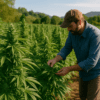
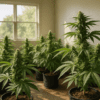
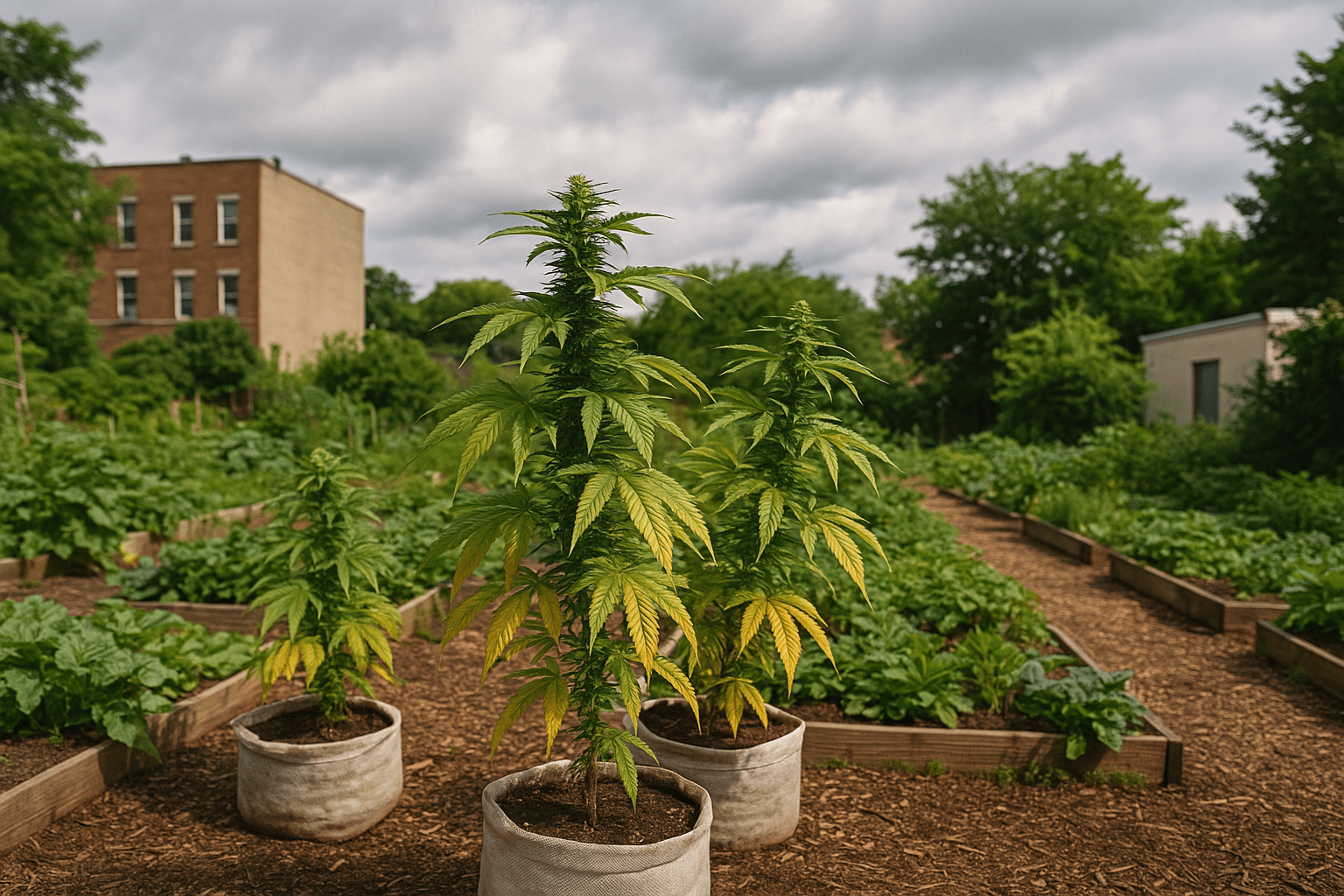
Observing the tops of cannabis plants, many growers start noticing slowdowns in new shoot development or odd curling and discoloration on leaves when afternoon temperatures spike unseasonally. One detail that’s been commonly mentioned involves leaves curling inward at the edges, a reaction often linked to heat stress or fluctuating humidity. Such stress signals can be subtle at first, but over time they may indicate that plants are struggling to maintain their usual vigor.
Outdoors, where the plants face less controlled conditions, these fluctuations trigger variations in flowering timelines too. Some growers report a delay in bud maturation, or buds that appear less dense than in previous seasons. While this isn’t entirely unusual given weather variability, the recent pattern suggests that temperature swings specifically are playing a key part.
The Complex Relationship Between Temperature and Cannabis Health
Cannabis plants are, naturally, highly sensitive to their surroundings. Temperature affects not only their growth rate but also metabolic processes and water uptake. When daytime heat spikes beyond typical levels intermittently, plants often react by closing their stomata to reduce water loss. This response, however, can slow photosynthesis and extend the time the plant needs to develop buds fully.
Moreover, overnight temperatures that suddenly drop below what the plants are used to can shock the system, especially during flowering stages. Growers have noticed that these cold snaps can cause leaves to develop purplish hues or show signs of nutrient stress, although it’s often not the result of nutrient deficiencies but rather a temperature-related physiological response. These natural pigments sometimes increase as a protective adaptation.
In New York’s shifting climate environment, the pattern seems to repeat with increasing unpredictability. This raises questions about how growers can adjust without compromising yield and quality.
Practical Responses and Ongoing Conversations Among Local Growers
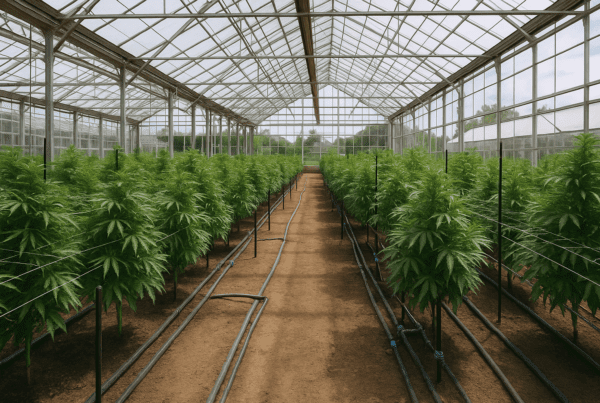
In the absence of large-scale controlled-environment setups, many New York cultivators rely on real-world tactics to buffer their plants from the temperature swings. Some have moved toward shading nets or ventilated greenhouses which allow for better airflow and partial temperature control without the full infrastructure cost of indoor grows.
Others speak of adjusting their planting schedules to start flowering phases when weather forecasts suggest a steadier temperature range. This can be a gamble in itself given how sudden weather changes can be. Growers also report increased vigilance with monitoring soil moisture, since hotter days often mean faster evaporation, yet a rapid cold snap can lead to overwatering if one isn’t careful.
Online forums and local grower groups have been abuzz with shared observations this season. Many reports converge on the idea that flexible, observant caregiving is key as the climate throws curveballs, rather than relying solely on fixed protocols from previous years. This human element of continual adaptation remains vital.
Beyond Growing: Implications for Quality and Market Supply
Temperature stress in cannabis is more than just a biological curiosity. It ties directly into the flower’s cannabinoid and terpene profiles, which shape the user experience. Anecdotal grower reports sometimes note that buds developed under fluctuating temperature conditions carry slightly different aromas or subtle shifts in potency. Scientific inquiries are ongoing but suggest that consistent environments tend to preserve desired chemical qualities.
For the New York cannabis market, which is still in early stages of full legalization and expansion, such environmental challenges may influence supply chains and pricing in unpredictable ways. Smaller cultivators, in particular, face tougher odds competing when each seasonal variation demands rapid shifts in cultivation strategy.
The connection between weather realities and market outcomes is often overlooked but very real, and it’s becoming clearer as more growers share their on-the-ground experiences.
Looking Ahead: Watching the Plants and Weather Together
What these detailed observations from New York growers highlight is a fundamental truth about cannabis cultivation – the plant is deeply tied to its environment, more so than many other crops. When conditions stray from the expected, its responses are telling and sometimes challenging. The growing community’s willingness to share experiences, results, and adjustments publicly contributes to a collective understanding that benefits everyone.
This season’s unseasonal temperature swings will likely become a reference point when growers reflect on how climate variability is affecting cannabis over the longer term. What remains clear is that adaptation is ongoing, and observing the plants closely remains an indispensable part of the growing craft.
For those interested in following these developments, resources such as New York’s Office of Cannabis Management offer updates on regulations alongside research efforts monitoring environmental impacts on cannabis cultivation. Likewise, cultivation-focused sites like Leafly’s growing news provide regional insights that reflect on practical challenges growers face in shifting climates.
As always, from the perspective of someone who has watched these plants through many seasons, there is a quiet resilience in the way cannabis adjusts to conditions with subtle shifts. Respect for the plant’s rhythms alongside a readiness to respond thoughtfully provides the most reliable path forward when temperatures fall outside the expected range.
Sources and Helpful Links
- New York Office of Cannabis Management – Official site for regulations, licensing, and research reports related to cannabis in New York
- Leafly Growing News – Articles and updates on cannabis cultivation practices and challenges
- NCBI on Cannabis and Temperature Stress – Scientific paper examining cannabis plant responses to temperature fluctuations
- Penn State Extension on Heat Stress – Practical insights on managing temperature in cannabis cultivation settings