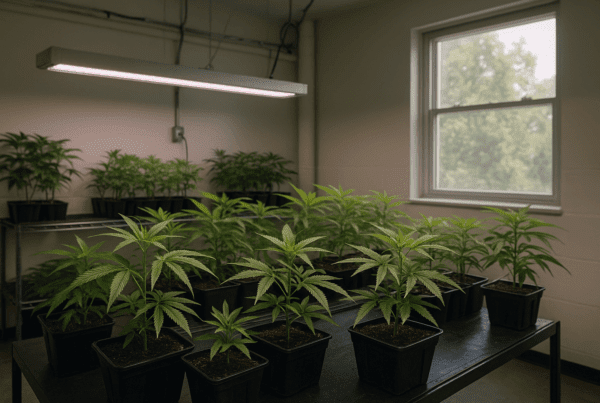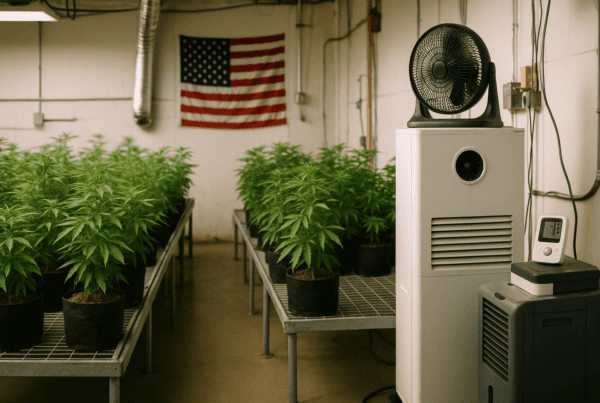

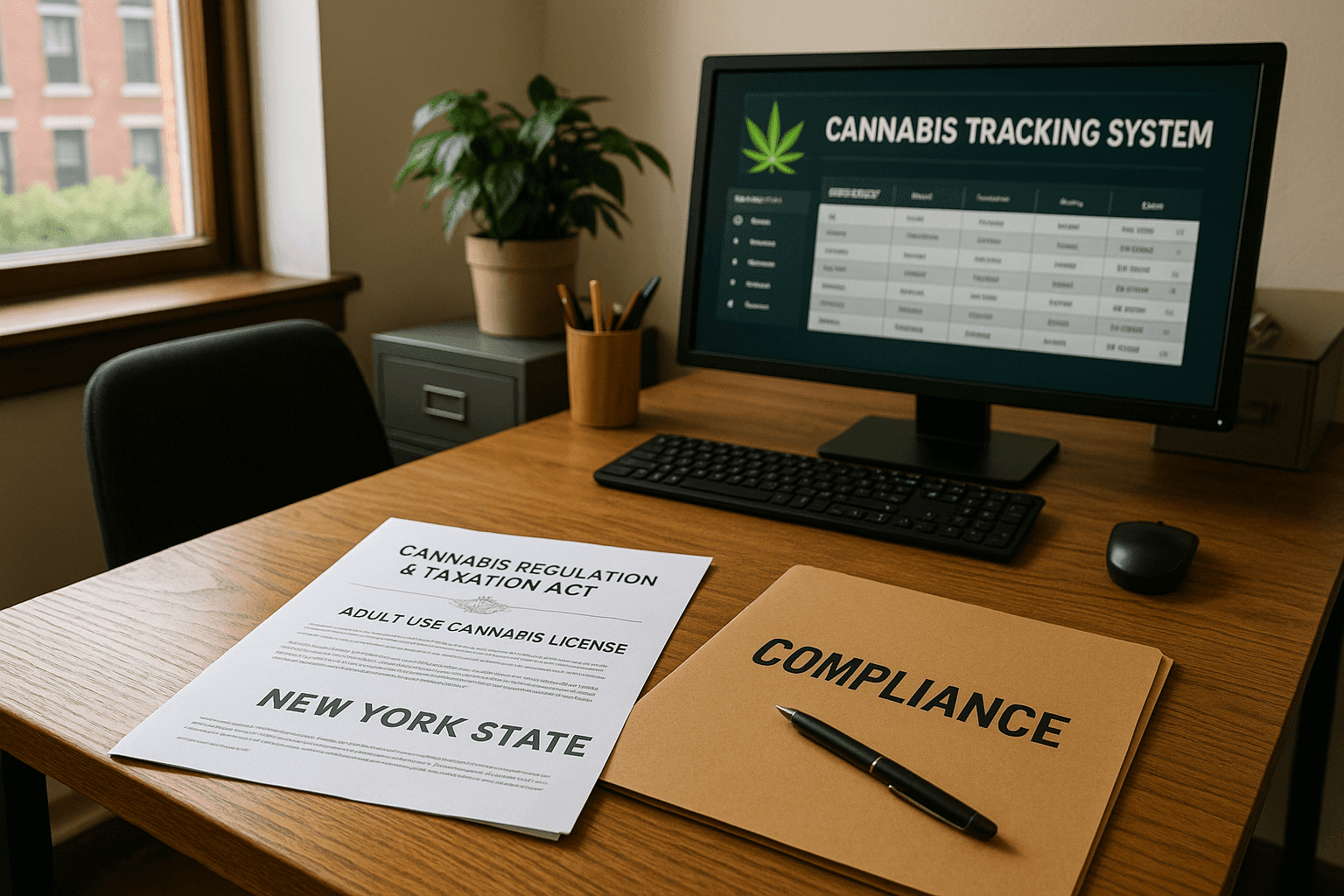
As New York continues to develop its newly legalized cannabis market, the shifting landscape of licensing remains a central factor in how growers approach their operations. Multi-site cannabis cultivators in particular are adjusting to updates in licensing requirements and regulatory standards, which bring both opportunities and complications to an already complex business.
Observing the Regulatory Shifts Across Multiple Growing Locations
New York’s cannabis regulatory framework has evolved since the initial wave of approvals in 2021. At the heart of this progress lies the requirement for cultivators operating at more than one site to navigate an increasingly layered licensing environment. The state’s approach involves categorizing cultivation licenses by size, purpose, and region, while also emphasizing social equity applicants and environmental standards.
For multi-site operators, the practical effect is that each facility may now require separate licenses that reflect specific site attributes. This breaks away from the older assumption that a single license might cover multiple locations under a single operator’s umbrella. As a result, growers are facing new hurdles related to application processes, licensing fees, and compliance inspection protocols, which tend to multiply at scale.
The consequences ripple throughout operational planning. Growers need to align their cultivation practices with variable licensing stipulations depending on which part of the state each site is located in. This patchwork can affect everything from seed-to-sale tracking to labor allocation. Facilities must also operate within the defined square footage limits tied to each license class, creating pressure to revisit resource distribution across sites.
How Licensing Changes Influence Strategic Choices in Cultivation
One intriguing dimension to observe is how licensing updates are triggering shifts in business strategy. Operators who once viewed multi-site cultivation as a straightforward expansion tactic are now weighing the costs and benefits with a keener eye on regulatory complexity and financial commitment.
For example, some cultivators might opt to consolidate operations into fewer, larger sites that meet specific tier thresholds, rather than spreading resources thinly over several smaller facilities each requiring separate paperwork and oversight. Others may develop specialized facilities that focus purely on certain cannabis products, like flower or extracts, to comply with differentiated license categories.
Meanwhile, the attention to social equity within New York’s cannabis law requires operators seeking multi-site licenses to engage with community-centered goals and demonstrate inclusive practices. This layer affects decisions on location, employment, and local partnership, resulting in a more nuanced operational footprint than pure production output alone would suggest.
Real-World Responses from Multi-Site Operators
Interviews with various multi-site cultivators show a mixture of cautious adaptation and opportunistic planning. Those well-versed in regulatory dialogue highlight the need for ongoing legal and administrative expertise as a core component of their operational teams. Investing in compliance specialists who understand the nuances of New York’s evolving rules is increasingly common.
Others mention that while licensing updates add complexity, they also clarify expectations around sustainability and quality assurance. New York’s regulations often mirror broader trends in other states where environmental performance and product safety are non-negotiable. Multi-site growers who anticipate these standards can create competitive advantages by positioning themselves as reliable and conscientious sources of cannabis.
Operational challenges remain-tracking inventory across multiple locations, meeting transport regulations, and passing variable inspections are everyday realities for these businesses. The state’s enforcement protocols may differ from one municipality to another, requiring adaptable operational structures.
Looking at Licensing Through the Lens of Market Maturation
The complexity around licensing multi-site operations reflects a market moving beyond start-up phases. As New York’s adult-use cannabis market gains depth, regulators and growers are learning to balance flexibility with oversight. The state’s effort to prevent market monopolization while supporting smaller and equity applicants means that licensing is being used as a tool to shape market dynamics deliberately.
This regulatory environment can encourage innovation in cultivation practices, with operators experimenting within new license categories or using compliance requirements as a prompt to adopt sustainable growing methods. At the same time, it places constraints on rapid expansion and requires more deliberate pace and planning.
While the licensing landscape remains in flux, one thing is clear: the cultivation sector in New York is responding actively to regulatory currents. Multi-site operators who maintain awareness of these trends and build resilient administrative systems will likely fare better as market conditions continue to evolve.
For those looking into New York’s cannabis scene, keeping an eye on licensing updates offers valuable insight into how the industry is structuring itself in real time – the laws are not just rules to follow, but signals of a maturing market and shifting industry priorities.
More detailed information on licensing requirements is available through agencies like the New York State Cannabis Control Board. Observers and operators alike should consider how these official resources clarify current and upcoming rules.
Meanwhile, growing practices and compliance needs are featured in comprehensive discussions by organizations such as the National Cannabis Business Association, which provides industry-wide perspectives. Their resources often address the complexities faced by multi-site cultivators adapting to ever-evolving legal environments.
New York’s licensing updates will continue to shape the contours of multi-site cannabis cultivation, influencing how operators organize their businesses, meet regulations, and engage with the communities they serve.
Sources and Helpful Links
- New York State Cannabis Control Board – Official site for cannabis licensing and regulatory updates in New York State.
- National Cannabis Business Association – Industry resource for cannabis operators and policy tracking.
- National Conference of State Legislatures – Overview of state cannabis laws and licensing models.