
Water has always been a silent but crucial player in the story of cannabis cultivation across the Southwest. The region’s arid climate means growers have long faced the challenge of balancing water availability with the thirst of their plants. Now, with emerging water conservation requirements coming into sharper focus, this balance is being tested in new ways.
Water Scarcity’s Quiet Pressure on Growers
In places like Arizona, where summers bake the earth dry and water is a scarce commodity, cannabis cultivation never operated in isolation from water concerns. Still, until recently, regulatory frameworks often lagged behind the urgency of conservation needs. Now, agencies are stepping up with mandates aimed at preserving dwindling water resources, and growers find themselves adapting to rules that encourage more precise and limited water use.
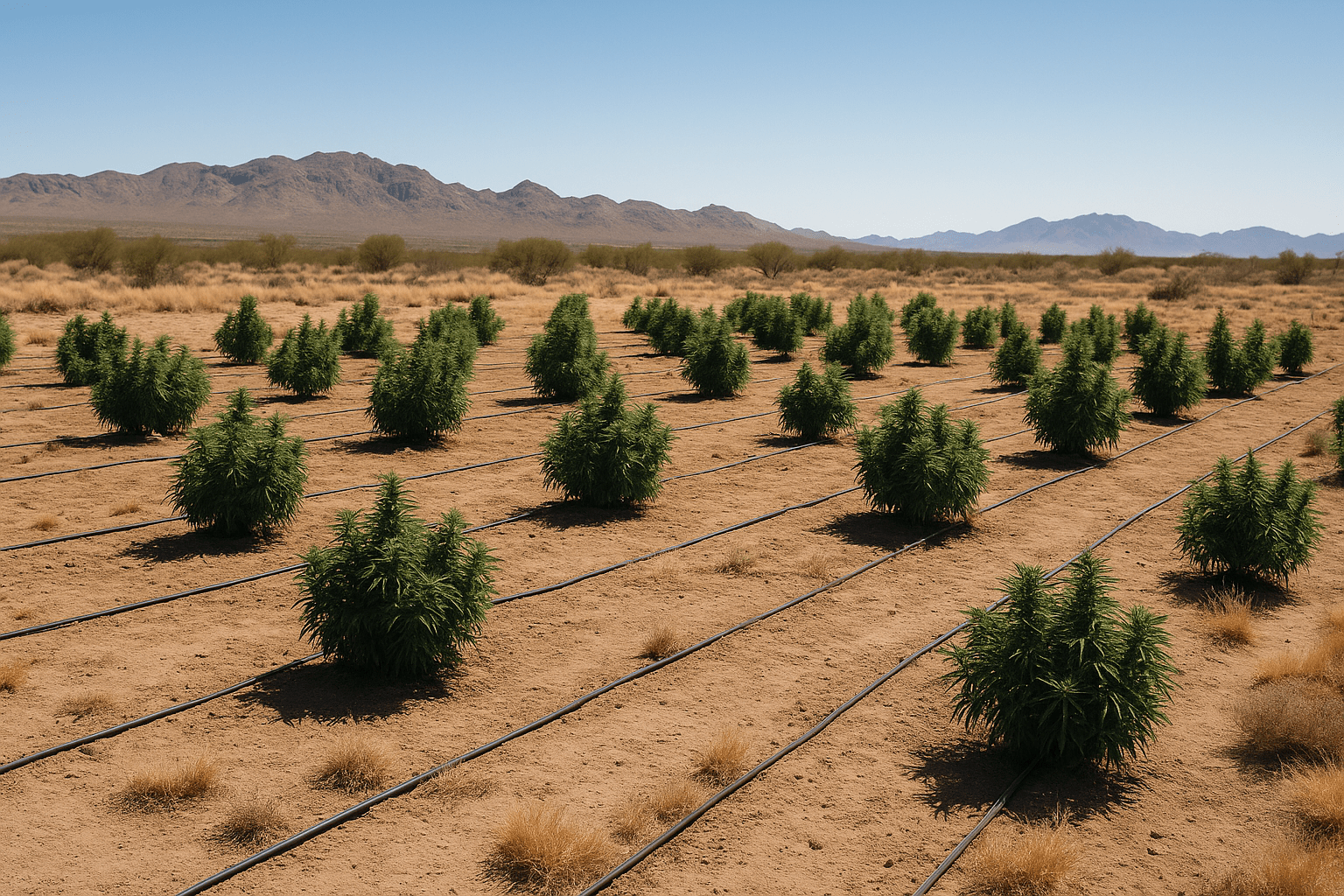
This shift is not simply a story of cutting back water. It is also about rethinking how cannabis cultivation integrates into sensitive ecological and social contexts. For many growers, it means adopting irrigation technologies and strategies that deliver water more efficiently. Techniques like drip irrigation, paired with moisture sensors, are not new but have gained new traction under these emerging rules.
New Rules Prompt Adjustments Across Operational Scales
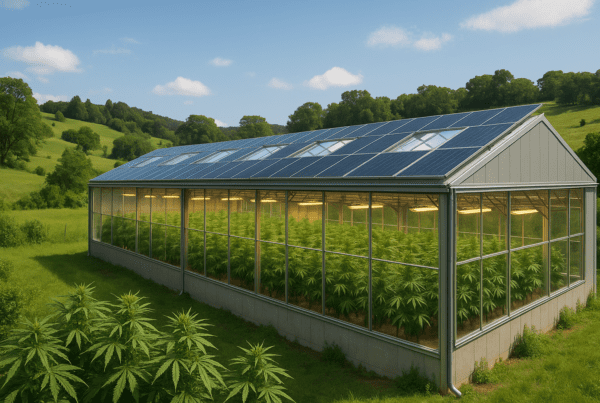
Water regulators in Arizona have begun to implement requirements that range from reporting actual usage to imposing caps tied to property size or plant counts. This framework introduces an oversight layer that did not exist, or was patchy, before. For larger commercial growers, the impact can be significant, pressing them into investing in advanced water management systems. These investments often involve sophisticated irrigation controllers, underground moisture probes, and automated scheduling that can react to environmental conditions throughout the day.
Smaller or craft cultivators face a different set of challenges. The cost of new irrigation setups can pinch already tight budgets. Yet many report being motivated not only by compliance but by a growing awareness of water’s fragility in the Southwest landscape. Anecdotal reports from industry forums suggest a wave of experimentation with drought-tolerant growing mediums and lower-water cultivars, adapting to what water is reliably available.
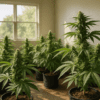
These smaller growers often combine traditional hand-watering knowledge with emerging technologies, blending precision with experience. Shifting to soil mixes with improved water retention or incorporating organic matter to reduce irrigation frequency has become more common. These practical adaptations help keep plants healthy while meeting conservation demands.
Technology Meets Tradition in the Soil
One of the more interesting dynamics is how traditional cultivation wisdom intersects with modern conservation technology. For decades, experienced growers understood the signs plants give when they need water. Now, tools like soil moisture sensors and real-time monitoring provide a clearer, data-driven window into what was once guesswork.
The introduction of these tools has revealed insights into watering schedules that can cut total volume without stressing plants. This helps growers find the sweet spot between health and water conservation. In addition to active irrigation management, some cultivators are installing rainwater capture systems, allowing for supplemental watering when infrequent rains occur. Though rare in the desert environment, these practices provide partial buffers to draw from in dry months.
These advances come alongside more conscious plant selection. Lower-water cultivars and hybrids bred for drought resistance are increasingly attractive options for cultivators aiming to reduce overall water footprints. This trend reflects a broader ecological awareness shaping strain selection as much as cultivation methods.
Broader Implications for the Southwest Cannabis Patchwork
The evolving water regulations also highlight the patchwork nature of cannabis cultivation across the Southwest. Different municipalities and water districts apply rules with varying levels of stringency and enforcement. This patchwork creates a sense of unpredictability that challenges growers who operate in multiple jurisdictions or who are planning long-term investments.
Moreover, these water concerns come against the backdrop of broader drought cycles affecting the Southwest. The Colorado River’s diminished flows, for example, have consequences that ripple through states far beyond their borders, adding layers of complexity to water planning in agriculture including cannabis cultivation. This makes water not just a local resource challenge but a regional stress requiring coordinated responses.
Watching growers and regulators move toward a more water-conscious system reveals much about how this state and region wrestle with balancing economic opportunity, agricultural innovation, and environmental stewardship. The timing of these regulatory shifts aligns with an increasing focus on sustainability across agricultural sectors, reflecting growing public and governmental pressure to preserve water for all users.
Small Signals of Change in a Dry Climate
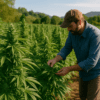
Walking through a Southern Arizona cannabis garden today, what you might see is a quieter kind of cultivation. Plants nestled among thoughtfully placed irrigation drip lines. Soil that shows signs of amendments to retain moisture longer. Growers monitoring data on a tablet instead of relying solely on feel and memory. These changes might feel incremental but they mark real progress toward marrying water conservation practices with cannabis horticulture in a challenging region.
More growers are experimenting with split irrigation cycles, feeding plants smaller amounts throughout the day to reduce runoff and evaporation. Other innovative tactics include reflective mulching to reduce soil temperature and moisture loss, and integrated pest management that minimizes plant stress, indirectly reducing water demands.
As these requirements take deeper root, it will be telling to see which methods become standard and how quickly the industry collectively shifts. The dynamic nature of water availability in the Southwest ensures that this conversation will continue to evolve, shaped both by natural rhythms and human response.
For now, the story unfolding shows that water conservation requirements are neither mere bureaucratic hurdles nor simple checklist items. They are shaping the very practices of cannabis cultivation and prompting growers to reconsider how they care for their crops within a demanding environment.
Exploring this transformation involves ongoing conversations with growers, regulators, and environmental experts all working within a complex landscape of use and scarcity. The actual experience on the ground offers clues about the practical side of managing water in cannabis cultivation as the climate and policies shift more than ever before.
Sources and Helpful Links
- Arizona Department of Environmental Quality Water Quality Standards – Details on water regulations affecting agricultural and cannabis growers in Arizona.
- University of Arizona Cooperative Extension on Water Conservation – Practical research and techniques for farmers managing irrigation in arid climates.
- Cannabis Industry Journal on Water Conservation Challenges – Industry perspectives on emerging water conservation trends affecting Western cannabis cultivation.