
For decades, cannabis breeding has revolved largely around boosting THC content and, more recently, CBD levels. The spotlight on these two major cannabinoids seemed natural given their prominence in effects and therapeutic discussions. However, as research matures and consumer interest diversifies, minor cannabinoids are stepping into the limelight, slowly reshaping breeders’ priorities and the development of new strains.
Watching the Quiet Rise of the ‘Other’ Cannabinoids
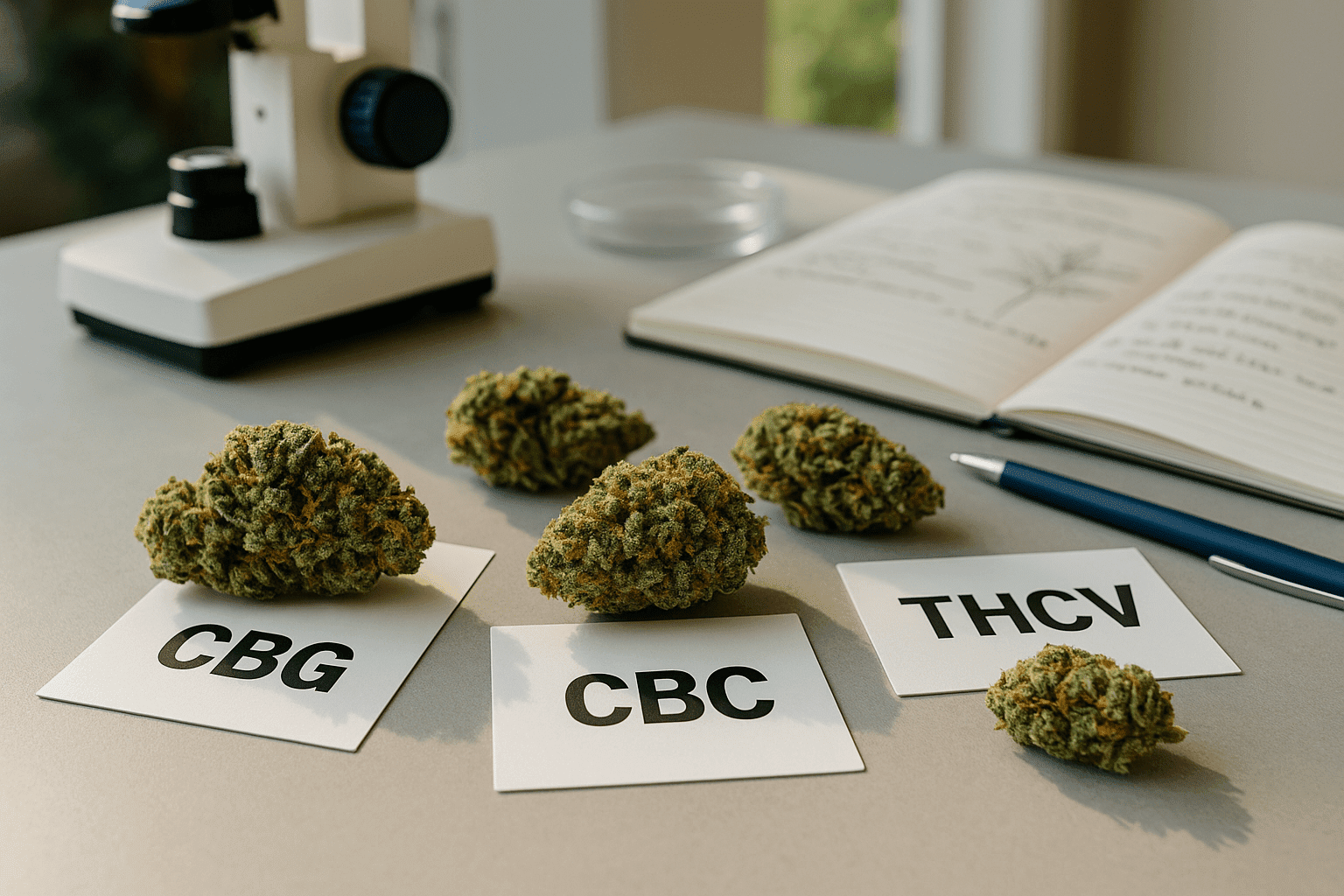
When talking about cannabis chemistry, most conversations still orbit THC and CBD. The nuances of minor cannabinoids such as cannabigerol (CBG), cannabichromene (CBC), tetrahydrocannabivarin (THCV), and cannabinol (CBN) often fly under the radar. Yet these compounds are more than just biochemical curiosities; they contribute distinctive effects and potential therapeutic angles that expand the cannabis experience beyond the binary of intoxication and relaxation. For breeders, this shift represents an opportunity and a challenge. Minor cannabinoids exist in much lower concentrations naturally, making it trickier to select cultivars that consistently express higher quantities. The process takes patience, observational nuance, and sometimes more sophisticated chemical testing tools. Nonetheless, an awareness of consumer demand for varied effects and legal carve-outs around certain cannabinoids has nudged breeding efforts towards these subtler players.
Tracing the Emerging Influence on Breeding Objectives
Breeders looking to stand out from a crowded market are increasingly attentive to the minor cannabinoid spectrum. Rather than chasing only THC highs or CBD’s calming reliability, they are exploring how cannabinoids like THCV might offer appetite suppression or clearer-headed stimulation. CBG’s emerging reputation as an anti-inflammatory and neuroprotective agent invites breeders to nurture plants that fill these niche needs. This trend impacts what breeders prioritize during selection cycles. It can mean seeking out genetics that produce unusual cannabinoid profiles or combining traits from different lineages to balance potency, minor cannabinoid content, and terpene complexity. It often involves an experimental edge, testing how these compounds interact and influence user experience when present alongside the more common cannabinoids. Interestingly, some breeders have started to develop strains that highlight specific minor cannabinoids individually or in select combinations. This approach contrasts with the traditional practice of focusing solely on maximizing THC or CBD. It broadens the scope of cannabis varieties, presenting new options for consumers and introducing varied plant chemovars into the market.
The Role of Analytical Testing in Shaping Trends
Behind this rise in minor cannabinoid awareness lies improving access to detailed chemical testing. Labs capable of quantifying a broad spectrum of cannabinoids allow breeders to evaluate their plants beyond the simple THC/CBD ratio. This capacity is crucial for reliably identifying and stabilizing expressions of minor cannabinoids during breeding rounds. Where once breeders had to rely on trial, error, and anecdotal feedback, modern analytics provide precise snapshots of a plant’s chemical fingerprint. This data informs decisions on which plants to propagate, cross, or discard. Over time, as more breeders adopt these tools, the overall genetic pool enriches with lines emphasizing minor cannabinoids in meaningful concentrations. Testing also informs consumers, driving demand for strains labeled with specific cannabinoid profiles. This feedback loop encourages breeders to continue developing these specialized strains, reinforcing the role minor cannabinoids play in market evolution.
Observations from the Field: Select Examples of Minor Cannabinoid-Driven Breeding
Among some of the more notable cultivars emerging in recent years are those bred for particular minor cannabinoids. For instance, strains highlighted for high CBG content have shown growing interest as medical users seek alternatives focused on wellness without heavy psychoactivity. Likewise, THCV-rich plants starting to appear reflect interest in cannabinoids that may produce unique, energetic effects rather than the typical THC-driven high. This focus alters the traditional flavor and aroma profiles when paired with terpene variations, adding layers to what consumers experience and expect. The influence on breeding objectives is that success is no longer measured by THC dominance alone, but by a complex interplay of cannabinoid and terpene chemistry that shapes effects, therapeutic potential, and sensory qualities.
Looking Beyond the Chemistry: Cultural and Market Shifts
The minor cannabinoid trend also aligns with evolving cannabis culture and consumer awareness. There is increasing interest in nuanced experiences, whether for wellness, recreational variety, or curiosity about how different cannabinoids affect mood and cognition. These attitudes push breeders to respond with more experimental genetics and transparency in product labeling. Meanwhile, regulatory landscapes that focus heavily on THC thresholds in various markets can incentivize the development of strains that emphasize non-psychoactive cannabinoids. This environment encourages breeders to innovate within legal bounds while offering consumers new options not defined solely by intoxication potential. In this way, minor cannabinoids act as both a scientific frontier and a market lever, quietly influencing breeding strategies as the cannabis industry matures. Overall, the rising interest in minor cannabinoids introduces a more diversified genetic landscape. It encourages breeders to think beyond high potency and consider the broader sensory and medicinal experiences their plants can deliver. This shift enriches the cannabis world with new chemovars that reflect an evolving understanding of the plant’s complexity and the consumers’ quest for varied, meaningful interactions. As the cannabis industry continues to grow, the interplay between research, consumer demand, and breeding innovation will keep unfolding. Minor cannabinoids, once overlooked, have begun claiming a more prominent role in shaping future strain development, signaling a more nuanced era for the cannabis plant and its users.
Sources and Helpful Links
- NCBI on Minor Cannabinoids – Comprehensive overview of lesser-studied cannabinoids and their potential effects.
- Cannabis Business Times on Cannabinoid Blending – Reports on how different cannabinoids influence breeding and product formulation.
- Leafly’s Primer on CBG – Explains the role and emerging interest in the minor cannabinoid CBG.
- Project CBD on Cannabinoids – Resource detailing cannabinoid profiles and their medicinal implications.
- Modern Cannabis on Breeding for Minor Cannabinoids – Industry perspective on evolving breeding goals tied to cannabinoid diversity.