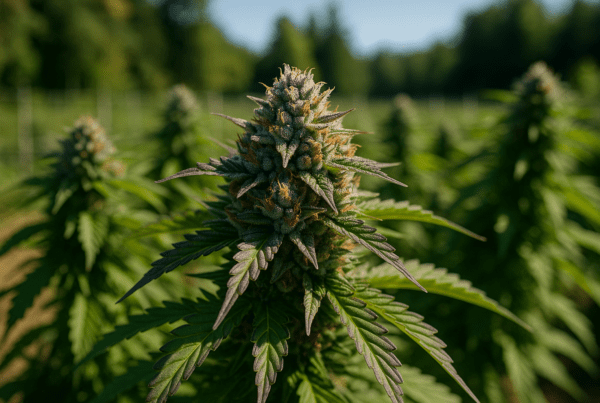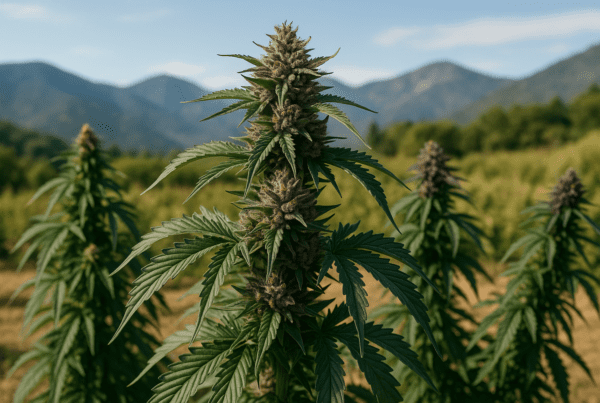

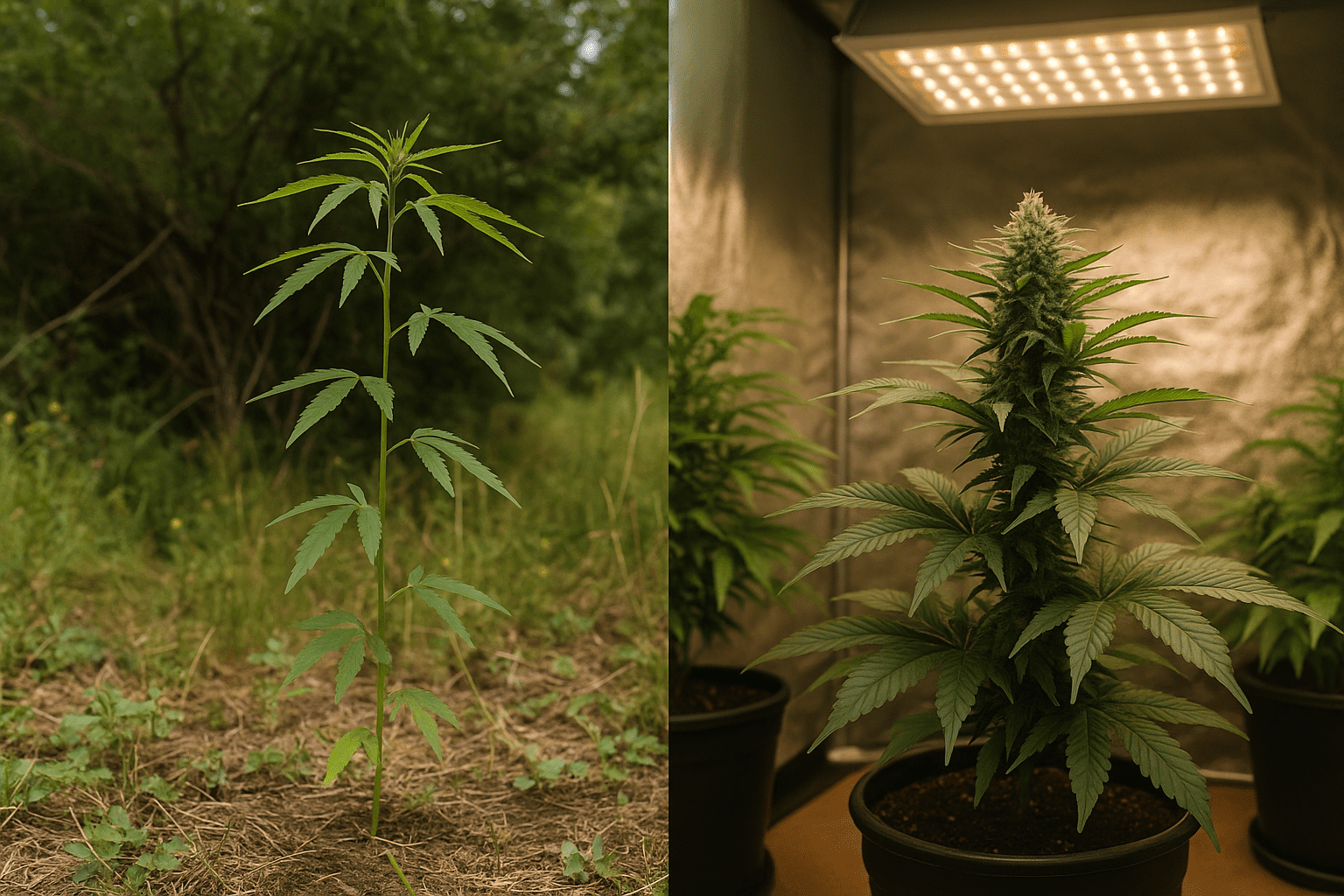
Walking through a dense patch of wild cannabis, there is an immediacy to the plant that feels untouched, rugged, and layered in a complex aroma that hints at nature’s untamed creativity. These wild cannabis varieties create a tapestry of scent and flavor using terpenes that have evolved through generations of adaptation to their unique environments. Comparing them to the cultivated strains found in dispensaries today reveals a subtle but meaningful shift in this aromatic makeup, shaped by human hands and changing priorities.
Unpacking the scents that tell stories of place and process
Terpenes are the aromatic oils that give cannabis its distinctive fragrances and tastes. They play more than a sensorial role; these molecules interact with cannabinoids in ways that can influence the overall experience of the plant. When we sniff a wild cannabis bud, what we are often smelling is a complex mixture of terpenes like pinene, limonene, myrcene, and caryophyllene, each adding distinct notes of pine, citrus, earthiness, or spice.
Wild strains, growing without human intervention, tend to develop terpene profiles as a response to their surroundings, including climate, insect exposure, and soil chemistry. These natural pressures curate a kind of chemical resilience, guiding the plant’s survival strategies. For example, pinene might repel pests while limonene could attract pollinators or discourage fungal growth. This evolutionary dance results in terpene ratios that can be quite diverse across different wild populations, reflecting geography, microclimates, and genetic lineage.
In a cultivated context, growers have often selected plants with terpene profiles tuned for consumer appeal or perceived medicinal benefits. These choices have skewed terpene expression toward more recognizable and marketable aromas like fruity, sweet, or diesel notes, sometimes at the expense of the broader complexity found in wild specimens. This cultivated selection echoes findings seen in other domesticated plants and animals where human priorities reshape genetic and chemical traits.
How decades of cultivation altered terpene landscapes
The cannabis breeding boom, especially post-legalization, has been a trial in rapid evolution. Breeders target traits like yield, potency, and specific terpene expressions, often crossbreeding and backcrossing to stabilize favored characteristics. This deliberate shaping has fostered terpene profiles that are often quite pronounced on single notes compared to the wild varieties that lean into layered subtleties.
One noticeable trend is the rise of limonene-heavy strains with bright, citrusy aromas. While limonene is common in wild cannabis, it often shares dominance with several other terpenes rather than standing out alone. Another example is the increasing presence of terpenes like terpinolene or ocimene, less understood but favored for their unique profiles that grow more popular among consumers seeking novel experiences.
Alongside changes in dominant terpenes, some traditionally robust terpenes like myrcene have declined in relative presence in some cultivars. Myrcene imparts an earthy, musky note and is implicated in relaxing effects. Its variability suggests a shift in how cultivators balance flavor and effect, possibly reflecting market demands for more energizing or clear-headed strains.
Natural variation still holds surprising influence
Even with modern cultivation, terpene profiles retain significant variability, reminding us that cannabis remains a deeply complex plant. The latest analytical approaches show that within a single strain name, terpene content can fluctuate based on growing conditions, harvest timing, and curing processes. These real-world factors make a huge difference in the final terpene bouquet the consumer experiences.
The journey from wild forest or field to a polished dispensary shelf involves many controlled variables that can amplify or mute terpene expression. Outdoor wild plants face stresses that often promote a richer terpene diversity as a defense mechanism. Indoor grows, while consistent, sometimes lack the fluctuating cues that stimulate terpene synthesis.
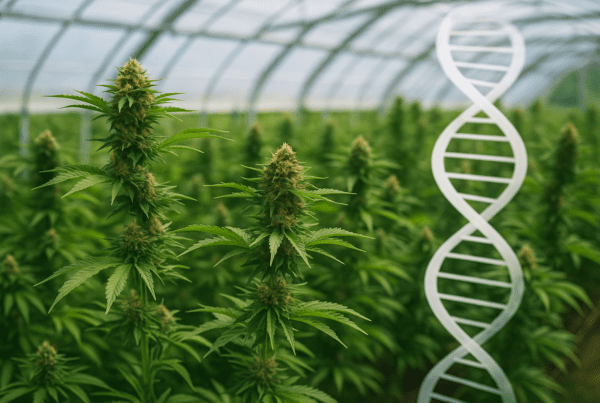
There is also growing interest in preserving or reintroducing wild-type cannabis genetics to reaccess these broader terpene spectrums. Some breeders are turning back to landrace strains-local, traditional varieties that have grown for centuries with minimal human modification-to capture terpene profiles that may have faded in modern hybrids. This approach could broaden the palette of effects and aromas available.
A reflection of culture, science, and environment intertwined
The evolution of cannabis terpenes is as much a reflection of how humans interact with the plant as it is about the plant’s own chemistry. Terpenes offer a window into the plant’s environment, its genetic history, and the cultural values we bring to cultivation and consumption.
As more advanced tools emerge to profile and standardize terpene content, the cannabis market could see a renaissance in how these aromatic compounds are understood and showcased. But the contrast between wild and cultivated terpene profiles reminds us there is no single “ideal” scent or flavor. Instead, the story of cannabis terpenes is a layered narrative of adaptation, selection, and discovery that continues to unfold.
For consumers and growers alike, this means appreciating the rich sensory diversity cannabis offers, whether it comes from wild plants shaped by nature’s hand or cultivated strains refined by growers’ experience and taste. The evolving terpene landscape is not only a chemical fact but a living heritage of cannabis itself unfolding across time and place.
Readers curious about terpene science can explore resources like the National Institutes of Health page on cannabis terpenes to see peer-reviewed research on how terpenes interact biologically. For insights on breeding and terpene profiles shaping today’s market, sites like Leafly offer up-to-date reviews and grower notes that help connect chemical profiles with the plant’s growing story. Also worth a look is the USDA Plants Database, which catalogs botanical varieties and can provide context on landrace origins and classification.
The curiosity about these aromatic chemical footprints reflects a broader trend toward deeper cannabis literacy-beyond THC and CBD-toward the nuanced sensory and experiential qualities that make each plant unique. Understanding terpene evolution bridges the past wild origins of cannabis with its present and future cultivated potential.
Exploring wild and cultivated terpene profiles is not an academic exercise but a way of tuning into how plants and people shape each other in the ongoing story of cannabis.
Sources and Helpful Links
- National Institutes of Health, peer-reviewed research on cannabis terpenes and their biological roles
- Leafly, contemporary strain profiles and terpene information
- USDA Plants Database, extensive catalog of plant varieties including cannabis landraces