
When most people think about what makes cannabis produce its characteristic effects, their minds quickly jump to THC or CBD. Those two cannabinoids have been the star players on the medical and recreational stage for years. Yet, walking through a dispensary or a grow room reveals a fascinating variety of aromas, from citrusy and piney to spicy and sweet. Those fragrant profiles come from compounds called terpenes, which have quietly shaped the cannabis experience for centuries.
Terpenes are organic molecules produced by the cannabis plant that give it distinctive scents and flavors. But their influence stretches farther than just what the nose detects. Terpenes modulate the psychoactive effects of cannabis by interacting with cannabinoids and the human brain in subtle but meaningful ways. This has led growers, breeders, and consumers to pay closer attention to terpene profiles, giving rise to more nuanced understandings of weed varieties beyond cannabinoid percentages alone.
The background scent behind the highs
Imagine lighting a joint of your favorite strain and recognizing its scent before the smoke even reaches your lips. That smell isn’t just an olfactory luxury – it partially sets the tone for how you feel. Pinene, a terpene present in pine needles and rosemary, often correlates with a crisp, alert sensation. Limonene, common in citrus fruits and some cannabis strains, seems to elevate mood and may provide uplifting energy. These compounds affect more than just smell; they can influence neural pathways and signaling, gently shaping how cannabinoids manifest their effects.
One way this happens is through the entourage effect, a concept that implies cannabinoids and terpenes work together synergistically. Although scientific consensus on the full mechanics of this effect is still evolving, many users report that different terpene profiles moderate feelings of anxiety, sedation, focus, or euphoria when paired with THC. For example, a terpene like myrcene, found in mangos and hops, may promote a calming body high, often linked to couch-lock sensations. On the other hand, terpenes like limonene might counterbalance drowsiness with a brighter, cerebral buzz.
What grows beneath the surface can explain noticeable variations within the same cannabinoid content. Two strains with about 20 percent THC might feel quite distinct if their terpene makeups differ drastically. That’s why terpene testing labs have become vital players in the cannabis industry, helping consumers select strains tailored to their desired effect experience rather than just THC levels.
Terpenes in the brain, more than scents in a bouquet
Exploring how terpenes affect the mind requires looking at the biology behind the plant-human interaction. Terpenes can cross the blood-brain barrier, and some have been shown in preclinical research to modulate neurotransmitter systems, such as dopamine and serotonin pathways. These systems play major roles in mood regulation, anxiety, and the perception of pain.
Pinene might inhibit an enzyme called acetylcholinesterase, potentially helping memory retention, which contrasts with typical THC-related short-term memory effects. Limonene has been studied for its possible anxiolytic (anxiety-reducing) properties, which may soften the intensity of psychoactive effects for some users. Caryophyllene, a spicy-scented terpene present in black pepper and cloves, has the unique distinction of interacting directly with the body’s CB2 cannabinoid receptors, known to regulate inflammation and immune response. This interaction could contribute to the feeling of relaxation without sedation.
While these nuances hold promise, it is worth bearing in mind that most evidence on terpene action in humans remains preliminary. Controlled clinical trials are sparse, and much of what is known stems from animal studies or anecdotal reports. The subjective nature of cannabis experiences also complicates isolating how terpenes affect mood and cognition compared to the more obvious effects of cannabinoids.
From seed to smoke: how terpenes develop and persist
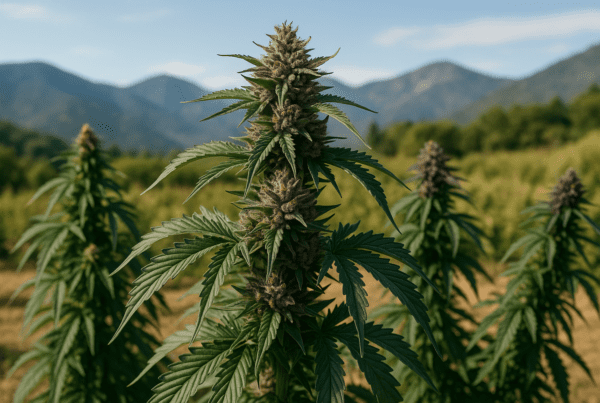
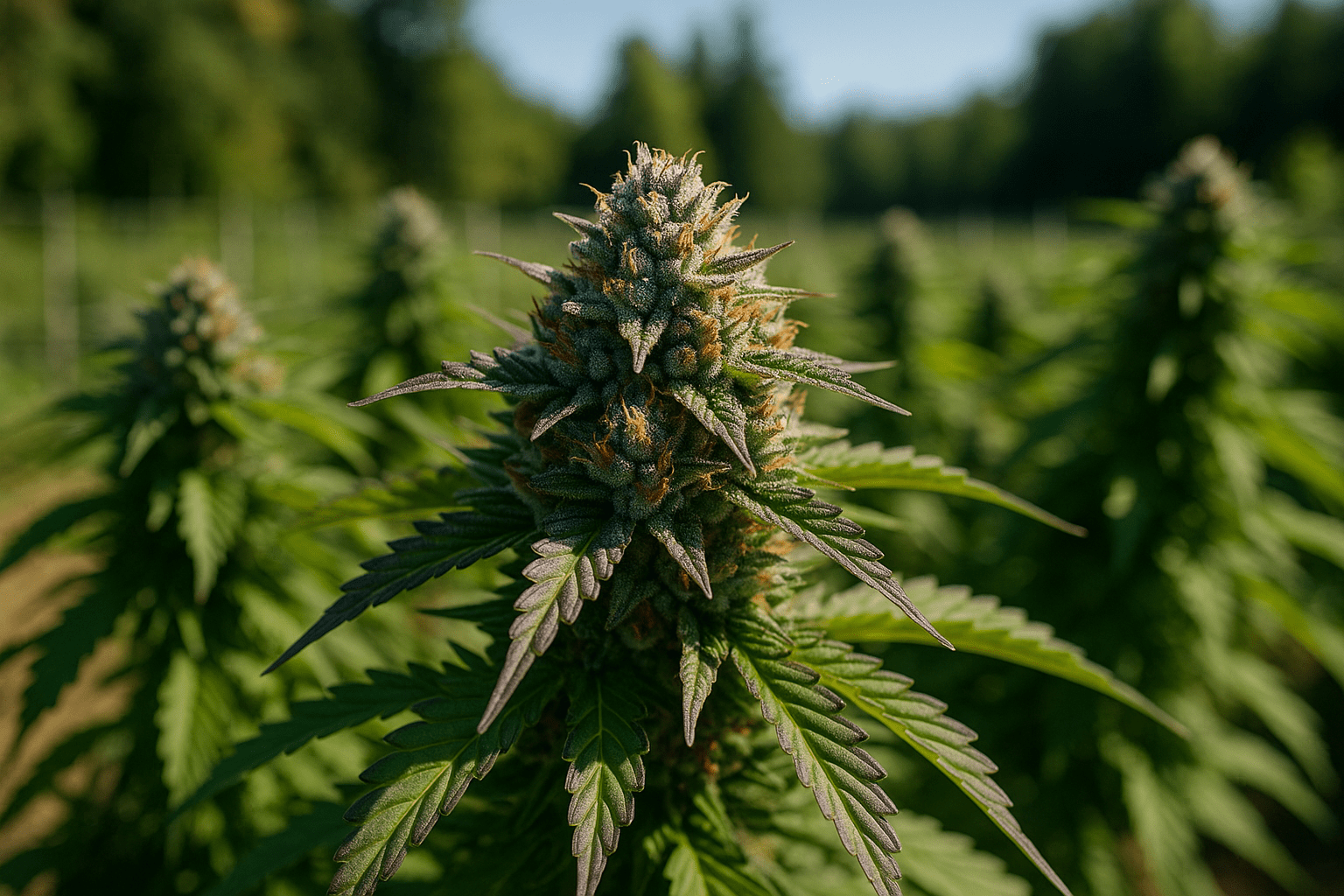
Seeing terpenes as just a fleeting scent undersells the complexity of their role in the cannabis lifecycle. Terpenes are synthesized in trichomes, those frosty resin glands peppering the flowers, which also produce cannabinoids. These aromatic compounds serve the plant by attracting pollinators and repelling pests, influencing evolution and cultivation choices.
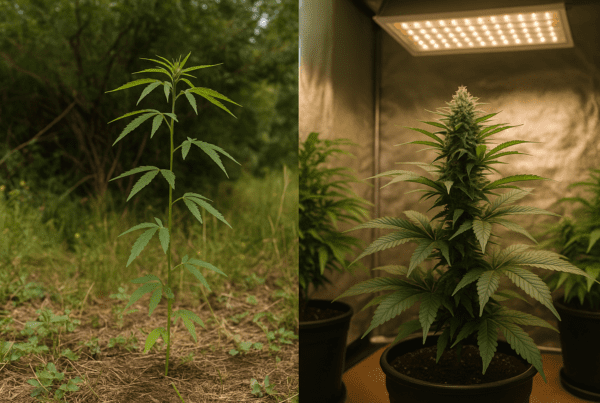
Growing conditions have a large impact on terpene profiles. Variables like light spectrum, soil nutrients, temperature, humidity, and curing methods all sway how terpenes develop and how pronounced their aroma becomes when smoked or vaporized. For example, harvesting too late or drying and curing improperly can cause volatile terpenes to evaporate, muting the strain’s scent and possibly its psychoactive subtlety.
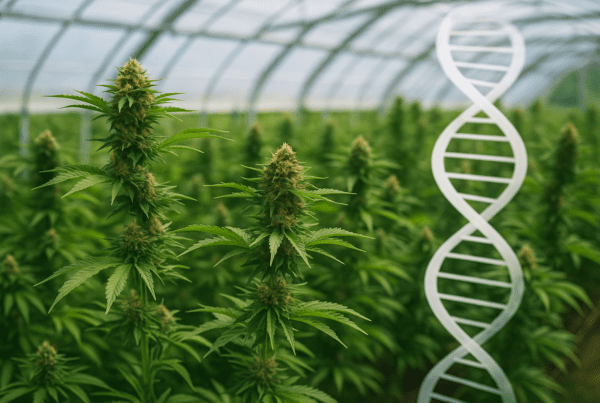
Some breeding programs have begun emphasizing terpene genetics to produce cultivars that deliver sought-after sensory and effect combinations. The word terpene, once a background character in cannabis conversation, now commands headline attention among growers aiming for “full spectrum” experiences. But it is worth noting that terpene levels can fluctuate between batches and even plants, meaning terpene-informed choices often reflect probabilities rather than certainties.
The evolving language and market around terpenes
Marketing cannabis by terpene content has introduced a richer vocabulary for consumers who desire particular effects beyond blunt THC measures. Dispensaries might highlight strains as “citrusy and uplifting” or “earthy and relaxing,” guiding people toward experiences that suit their preferences or needs for concentration, recreation, or relaxation.
Some dispensaries even offer terpene isolates or blends to add onto cannabis flowers or concentrates, aiming to customize effects further. While this experimentation is fascinating, consumers should approach these products with care given the current lack of standardized dosing or robust clinical data.
Scientific curiosity continues to unfold around how different terpenes might help mitigate unwanted effects like anxiety or paranoia, or enhance therapeutic benefits such as pain relief or inflammation control. Their role may prove especially important as the cannabis industry moves toward more personalized, health-conscious uses.
Ultimately, terpenes invite us to think about cannabis legacy and future in more layered ways, reconnecting the senses with science. The psychoactive journey is not just a story of THC or CBD in isolation, but a dance involving dozens of fragrant partners shaping how the plant engages body and mind.
Followed closely, the expanding insights on cannabis terpenes represent a new chapter in understanding what this ancient plant offers us. They remind us that experiencing cannabis is as much about the texture and tone of sensation as it is about strength. Appreciating this richness can lead to a more fulfilling, intentional relationship with cannabis in both medical and recreational settings.
Resources like the Leafly terpene database and in-depth discussions at the Project CBD terpene overview provide accessible entry points to explore these developments further. For anyone curious about what lurks beyond the THC percentage, terpenes offer a world of subtlety and surprise waiting to be discovered.
As more research unpacks the exact mechanisms behind terpene effects, we may foresee a time when labels include not only cannabinoid content but a detailed terpene map. Until then, observing how terpenes quietly shape your cannabis rituals offers its own kind of insight into the plant’s enduring appeal.
Life with cannabis is not just about highs or lows. It is about the scent in the air, the feel in the body, and the evolving knowledge that each puff contains a symphony of chemical partners playing together, shaping moments and moods with nuance and depth.
Whether a casual smoker or a medical user, paying attention to terpenes adds richness to how you understand plant effects, bridging biology and experience. It spotlights cannabis as both a natural wonder and a phytochemical puzzle we are only beginning to fully appreciate.
Sources and Helpful Links
- Leafly Terpene Database offers detailed profiles on common cannabis terpenes and their effects
- Project CBD Terpene Overview explores scientific and therapeutic insights into terpene roles
- NCBI on Terpenes and Cannabinoid Interaction discusses biological mechanisms connecting terpenes and cannabinoids
- USDA National Institute of Food and Agriculture includes information on plant biochemistry and cultivation influences