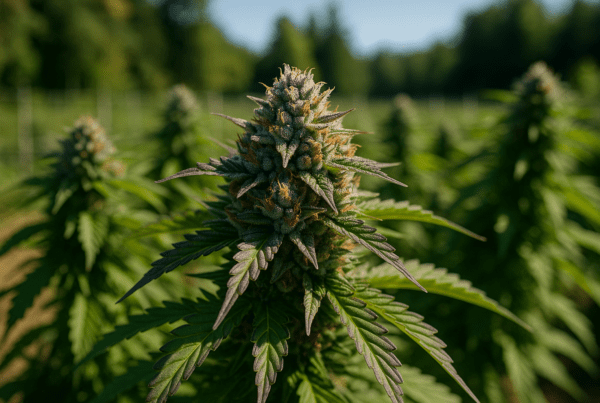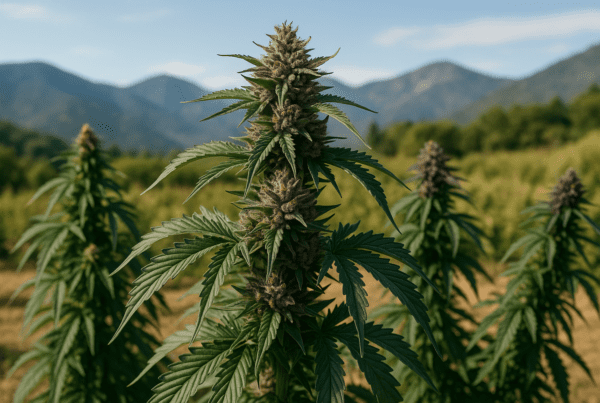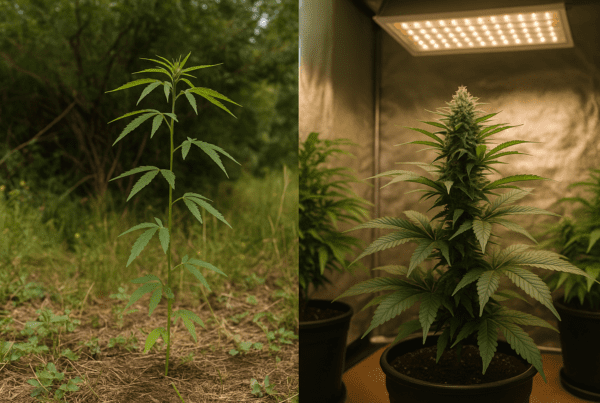

When entering a dispensary or scrolling through an online shop, the names attached to cannabis strains can feel like a journey into a subtle world filled with history, personality, and strategy. Behind each name lies a mix of cultural moments, breeder creativity, and marketing impulses that have changed significantly since cannabis first became commercialized.
The early days were simpler yet layered with meaning
Originally, many of the names that proliferated came directly from grower legends and geographic origins. Names like “Afghani,” “Hawaii,” or “Panama Red” point toward a straightforward association with place and heritage. These early tags were also shorthand for the plant’s effects and appearance, often driven by word of mouth among communities where cannabis was shared. Because the market was smaller and largely underground or semi-legal, names didn’t necessarily need to catch a broader consumer’s eye. They worked as insider language—points of reference among knowledgeable smokers and cultivators.
Yet even then, names began to carry cultural weight. The 1960s and 1970s counterculture movements brought flavors of rebellion, experimentation, and mystique that influenced naming trends. Strains such as “Acapulco Gold” didn’t just communicate a place but evoked a particular perceived experience or status.
As the legal market emerged, names started to serve new roles
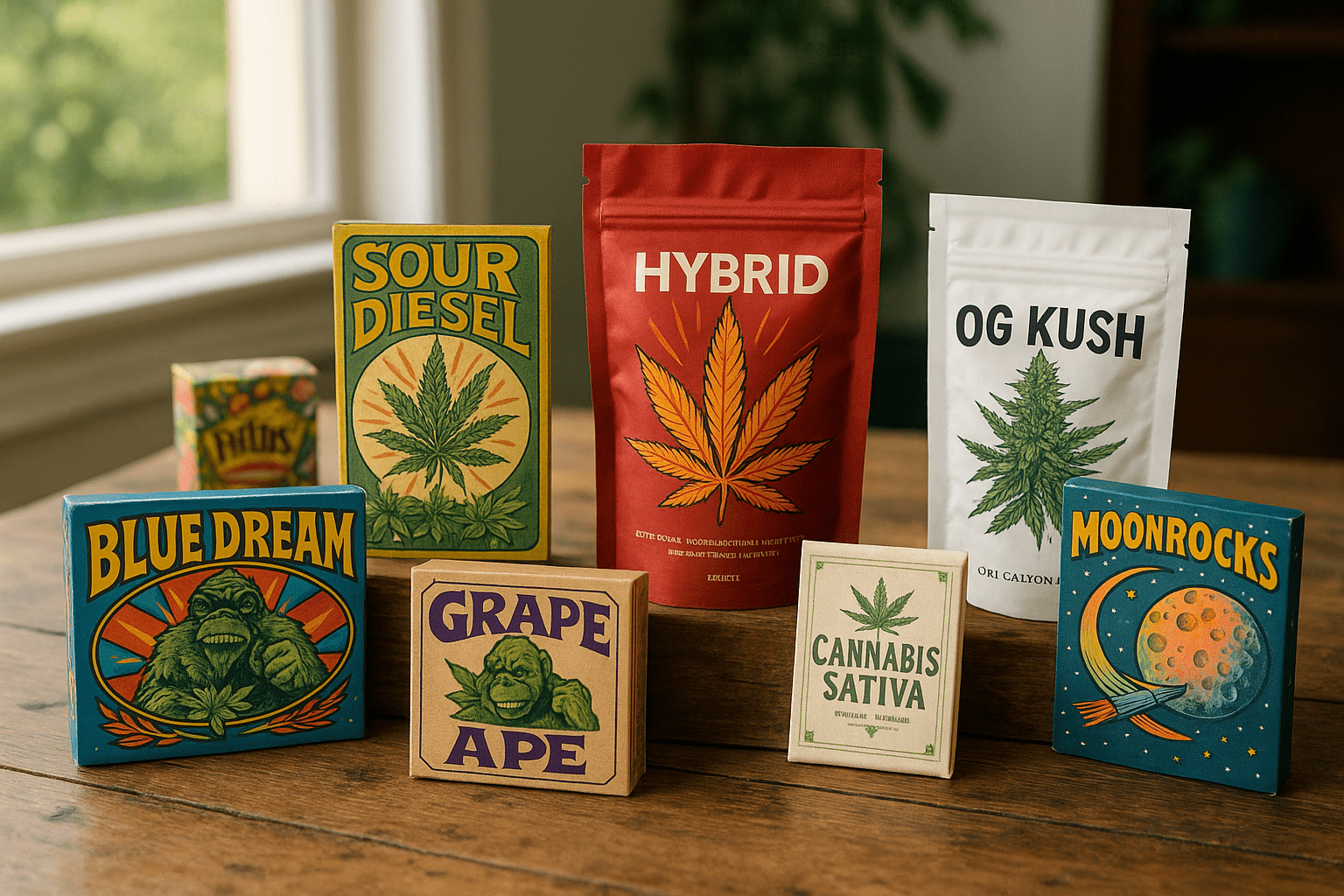
The last two decades have seen profound shifts thanks to legalization and commercialization. Suddenly, naming strains became a crucial tool for differentiation in an expanding and competitive marketplace. Branding morphed into a form of storytelling and marketing. Some names embraced whimsical absurdity, others leaned into genetics or lineage references, and many sought to capture an aspirational vibe — calling to the lifestyle cannabis represents beyond consumption.
This evolution reflects broader trends in consumer culture where products must tell a story or promise a kind of identity. Names like “Girl Scout Cookies” or “Blue Dream” carry expectations well beyond their biochemical profile. They hook potential buyers through feelings and associations, making the act of choosing feel like an adventure or personal expression. This sometimes creates confusion as well, with similar or ironically misleading names popping up due to popular demand or even casual branding experiments by producers.
Genetics and naming collide in interesting ways
When genetics became a selling point, names inadvertently became a kind of informal guarantee—or at least suggestion—of certain characteristics. Breeders focused on lineage began to highlight parent strains, hybrid status, or medical benefits in the names. This practice helped consumers navigate an otherwise complex variety pool but also led to disputes over authenticity and standardization.
Efforts to systematize strain naming have met resistance, however, in part because cannabis strains evolve continuously through crossbreeding and regional adaptations. Unlike many other crops, a cannabis strain does not have fixed official standards globally, which means that two products bearing the same name might offer quite different experiences depending on the grower and environment. This fluidity keeps the naming landscape lively but sometimes frustrating for consumers trying to find consistency.
Market relevance today and challenges ahead
Today’s consumers navigate an ocean of options that are influenced heavily by the strain names on the labels. These names carry weight in social media chatter, dispensary recommendations, and product reviews. At the same time, regulatory frameworks frequently draw boundaries around marketing claims and naming practices, which can limit or shape how producers present their strains.
There is a cautious dance between creativity and compliance as businesses seek to stand out without overpromising. At the same time, the popularization of cannabis is encouraging a move toward clearer information on effects, cannabinoid profiles, and growing origins alongside strain names. This shift may ultimately redefine how consumers relate to these names — viewing them not as guarantees but as signals amid a complex experience.
Continuing to watch the evolution of cannabis strain names offers a window into the interplay of culture, commerce, and science in this growing industry. It remains an informal but vivid expression of where the plant has been and where it might head as a major player in consumer markets worldwide.
For those curious how strain names convey more than just identity, resources like Leafly provide extensive strain databases capturing popular and emerging trends, along with genetic info and user experiences. The National Institute on Drug Abuse (NIDA) offers scientific context that can help demystify public perceptions related to cannabis varieties and their potential effects. Industry publications like Cannabis Business Times shed light on how marketing strategies around names evolve across different legal landscapes.
In tracing the arc of cannabis strain names, one sees not only product labels but stories shaped by growers, consumers, laws, and shifting cultural conversations — each name a snapshot of an evolving industry and community.
Exploring these names with attention helps make sense of a complex and colorful market that keeps changing as the next wave of breeders and consumers invent what cannabis can mean for them.
Whatever the future holds for naming conventions, the plants behind those names grow, shift, and surprise in ways regular language can only try to capture.
That ongoing dialogue between plant and culture promises to keep the landscape richly creative and endlessly fascinating.
It reminds us how intertwined are the histories of cannabis and the people who cultivate, consume, and care for it.
There are stories yet to be told in every name that hits the shelves.
Some rooted in old fields and secret gardens, others born in new labs and digital marketing campaigns. But all bring a piece of cannabis culture to light.
The names become part of a living heritage that consumers, growers, and storytellers alike keep weaving together through time.
And it is this collective crafting that makes every visit to a dispensary or review site feel part exploration, part ritual, and part discovery.
It is why paying attention to how strain names change matters, beyond the label, beyond the flower — a window into cannabis itself as a plant and a culture growing side by side.
For those interested, Leafly offers detailed strain info to explore the ongoing evolution firsthand, while the National Institute on Drug Abuse provides research-based context on cannabis varieties. Cannabis Business Times adds perspective on marketing and industry trends shaping how names influence the market today.
Sources and Helpful Links
- Leafly – A comprehensive cannabis strain database and user-driven reviews
- National Institute on Drug Abuse – Scientific research and information on cannabis
- Cannabis Business Times – Industry news and market insights about cannabis business trends