
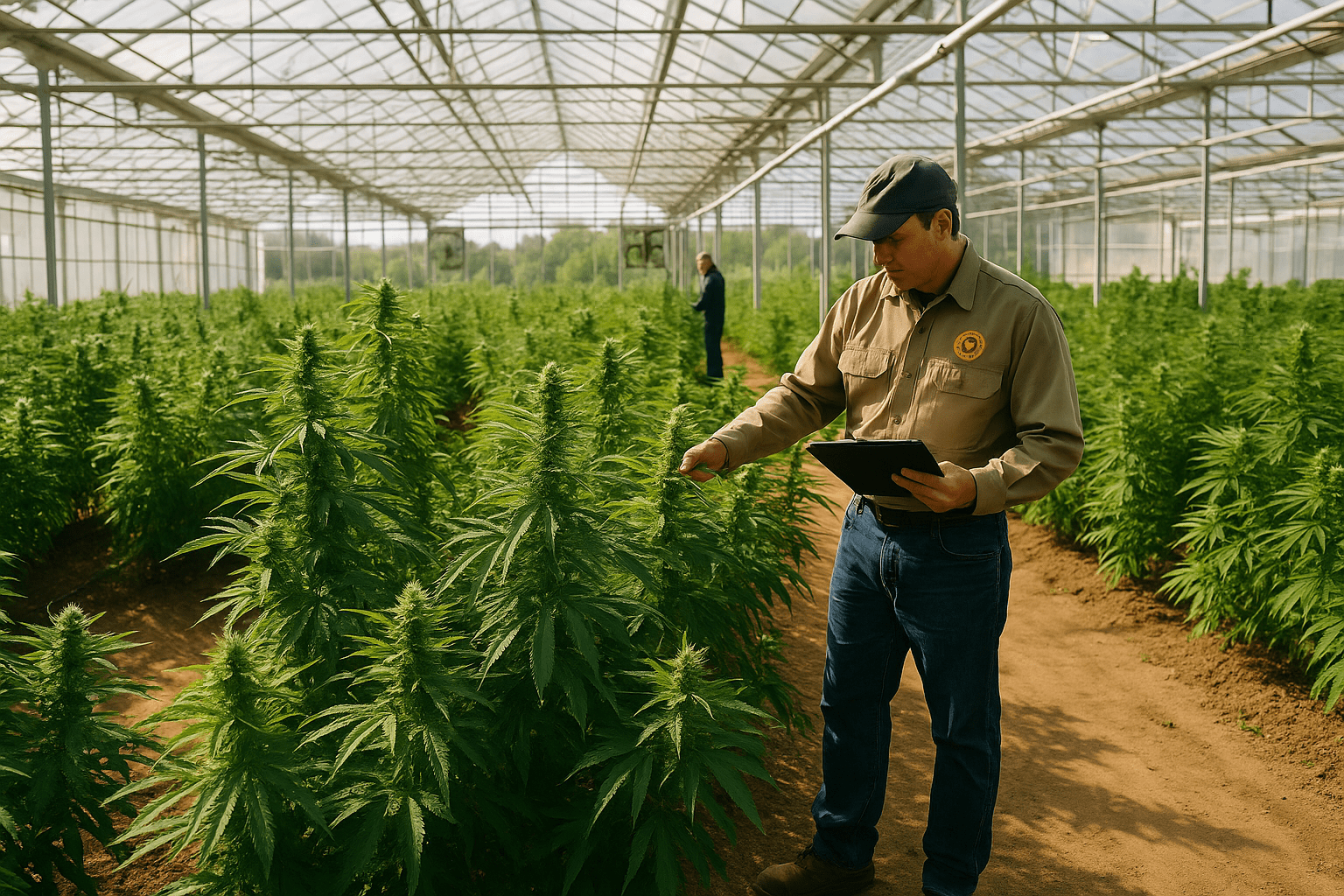
When cannabis moved from an illicit crop to a state-legal industry, growers found themselves navigating a maze of new rules and uncertainties. More recently, a layer of oversight traditionally reserved for mainstream crops is beginning to press on cannabis cultivation. State agricultural policies, long established for fruits, vegetables, and grains, are starting to influence how cannabis is grown, monitored, and managed.
Where Cannabis Meets Traditional Agriculture
States that have embraced legal cannabis are borrowing frameworks from their existing agricultural departments to craft oversight mechanisms. This borrowing is not merely administrative. It touches on how the plant is treated at the ground level-soil standards, pest control, water use, and crop disease management, areas historically outside the cannabis conversation. As agricultural agencies become involved, their priorities introduce new considerations for growers.
For example, agricultural departments usually have long histories of regulating pesticide use based on extensive research and established safety profiles. Cannabis, having been federally prohibited for decades, often lacks such data. However, as some states start to include cannabis under their agricultural umbrellas, growers face demands to comply with pesticide application rules designed with traditional crops in mind. This mismatch can create challenges when products available for cannabis lack official clearance in these states. According to Colorado Department of Agriculture’s pesticide regulations, licensed cannabis growers must follow these established rules, even if the available products were not directly designed for cannabis use.
Water, Soil, and Environmental Considerations Gaining Ground
Water rights and soil health, often key features in agricultural policy, are playing a growing role as cannabis cultivation expands. Growing cannabis outdoors or in mixed-use agricultural zones brings concerns about groundwater contamination, nutrient runoff, and soil degradation into sharper focus. Some states, such as California, have started to apply water extraction permits and soil conservation rules to cannabis farms, reflecting the concerns long associated with other crops.
The inclusion of cannabis in broader agricultural water policies means growers may need new systems for tracking water use and ensuring compliance with environmental quality standards. Such demands shift the economics and operational practices, encouraging investment in technologies to optimize irrigation. The California Water Boards provide resources and regulatory frameworks aimed at balancing cannabis cultivation needs with watershed protection.
The Complexity of Crop Insurance and Reporting
Crop insurance has long been a tool for agricultural producers to manage risk, but cannabis remains largely excluded from federal programs. Yet some states are exploring ways to allow cannabis cultivators access to state-backed insurance or similar risk mitigation options. This movement is intertwined with agricultural policy since reporting requirements, yield assessments, and farm management practices have their roots in agriculture’s institutional frameworks.
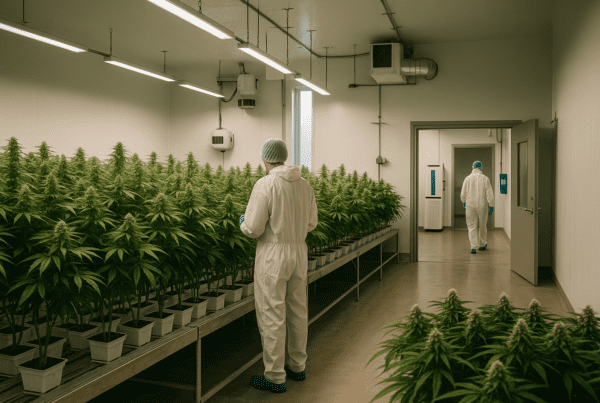
Detailed record-keeping and traceability, increasingly mandated by cannabis regulations, align in some ways with agricultural reporting but also require adaptations unique to the plant’s market and legal status. The work of departments like the Colorado Department of Agriculture’s Plant Industry Division shows an emerging hybrid approach. They monitor cannabis diseases and pests much like any other cultivated crop, signaling a new phase where cannabis no longer stands apart but participates in the agricultural system.
Understanding How This Changes Grower Decisions
On the ground, these regulatory shifts translate to tangible changes in cultivation decisions. Growers must consider agricultural guidelines that affect everything from field layout to fertilizer choices. Regulatory inspections now sometimes involve agricultural experts who understand soil science and integrated pest management rather than just cannabis compliance officers. This expanded scrutiny can raise the bar for quality and consistency but also add to the compliance burden, especially for smaller operators.
Longtime cannabis cultivators accustomed to a less formalized patchwork of rules may find themselves adapting cultivation methods to conform with agricultural best practices, even when those practices didn’t originate with cannabis in mind. This dynamic creates an interesting tension between legacy growing techniques and emergent agricultural standards.
The Broader Industry Implications and Future Trends
There is a recognition that treating cannabis purely as a novel or niche crop has limits. As the industry matures, exhibiting characteristics of mainstream agriculture becomes more of a norm. Agricultural policies contribute to this normalization, adding layers of accountability and structure often welcomed by larger commercial interests and educational institutions.
Innovation in cultivation technology, such as precision agriculture and environmental monitoring systems, closely ties to agricultural policy’s focus on sustainability. These trends suggest cannabis cultivation is moving toward a future integrated with wider agricultural science and policy frameworks. Even so, this integration will likely be uneven across states, reflecting varied political, environmental, and economic conditions.
This evolving landscape highlights the importance of growers staying informed about their state’s agricultural rules and how these intersect with cannabis laws. Information from state agriculture departments and cannabis regulatory agencies helps shape how individual operators can navigate this shifting terrain.
Observing these trends offers a glimpse into how the cannabis industry, once considered separately, increasingly interacts with traditional agricultural systems, blending old and new ways of understanding plant cultivation.
As seen in states like Colorado and California, agricultural policies are not only influencing how cannabis is grown but also redefining what it means to be a cannabis cultivator under the law. The ongoing conversation between agricultural agencies and cannabis stakeholders may well shape the industry’s trajectory for years to come.
Sources and Helpful Links
- Colorado Department of Agriculture Pesticide Program, resources on pesticide use and restrictions relevant to cannabis cultivation in Colorado.
- California Water Boards Cannabis Program, information about water use regulation for cannabis growers.
- Colorado Department of Agriculture Plant Industry Division, provides insight into pest and disease management on cannabis crops within Colorado.
- University of Minnesota Extension on Cannabis Production, a practical resource connecting agricultural principles to cannabis production.
- USDA National Agricultural Statistics Service, for context on agricultural data and how cannabis might fit into broader agricultural reporting.