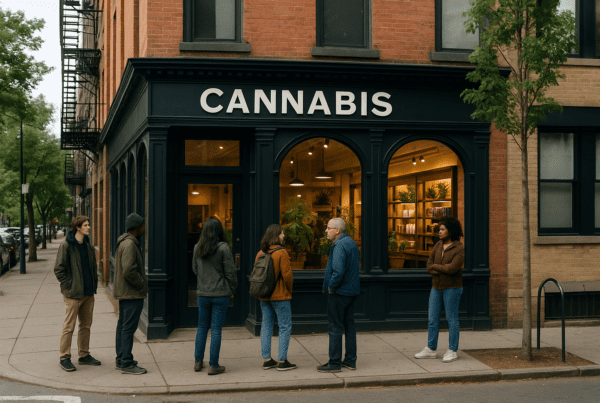


The cannabis industry continues to be a moving target for entrepreneurs, regulators, and investors alike. One of the less obvious but profoundly impactful components shaping the business side of legal cannabis is licensing. Rules governing who can grow, sell, or distribute cannabis don’t just determine the landscape for existing players, they significantly influence how new entrants plan their strategies.
Licensing Changes Stir the Pot
Over the last several years, many U.S. states and some countries have shifted their approach to cannabis licensing. Initial waves of licenses went mostly to larger operators or those with specific capital and political connections. However, the growing pressure from advocates, local communities, and policy makers has opened doors for more varied types of businesses, some focusing on social equity or smaller-scale cultivation. These new dimensions complicate the process but also introduce alternative models for market entry.
This trend is visible in states like Illinois, where social equity programs have been integrated into the licensing process. Those aren’t just about fairness; they aim to build new industry players who may have been excluded historically. This can alter the competitive environment substantially, forcing established companies to reconsider how they position themselves and collaborate.
What This Means for Entrepreneurs
For businesses aiming to crack into an evolving cannabis market, the shifting licensing requirements challenge the traditional paths many might have planned. The costs, applicant criteria, and the timing of license availability fluctuate as states fine-tune regulations in response to social and political pressures.
Entrepreneurs often find that a license is not just an entry ticket but a set of operational constraints and opportunities bundled together. A license that limits cultivation scale or demands community involvement changes business models profoundly. Some start-ups might fold social equity initiatives into their company culture or partner with local enterprises to meet the guidelines, while others might seek licensing in adjacent states with friendlier terms.
It is also noteworthy how some states introduce conditional or micro licenses for craft growers, a significant shift from requiring large operations. This invites smaller, often more innovative businesses that may have lacked access previously. While this diversification adds market depth, it also means planning for a patchwork of local regulations, sometimes even within a single state.
Shifting Strategies on a Moving Regulatory Terrain
Entering a cannabis market is becoming less about racing to grab space and more about strategic patience and adaptive planning. License lotteries, new equity categories, and changing regulatory environments call for nimble responses. Businesses increasingly need to anticipate where regulations are heading instead of just reacting.
That might mean engaging more intensely with policy discussions, investing in compliance early, or building broader community ties. For instance, securing a license with equity components often requires demonstrating community partnerships or plans that extend beyond simple cultivation or retail sales. These requirements are reshaping who can sustainably operate in these markets, nudging the cannabis business model toward a more integrated community role.
The Role of Federal Influence and Cross-State Implications
National rulemaking or the possibility of federal legalization also hangs over how states approach licensing. With uncertainty in federal law, some states move cautiously or design regulatory systems to align with potential future shifts. This shapes market entry as businesses hedge against federal changes that could open nationwide markets, increase competition, or alter banking and tax environments.
Cross-border dynamics add another layer. Licenses are state-specific in the U.S., yet cannabis markets spill over, creating informal networks of suppliers and consumers. Changes in one state’s licensing can prompt shifts in adjacent markets, either by pushing growers and sellers across borders or by influencing consumer expectations.
Entrepreneurs tracking these shifts often notice that flexible licensing strategies or collaborations across states become valuable tools. This is not without risk but reflects the complexity of building a cannabis business that can survive evolving regulations.
Additionally, some states are experimenting with licensing models that allow for vertically integrated businesses, while others separate cultivation, processing, and retail. This regulatory diversity requires companies to tailor their market entry plans carefully, sometimes focusing on niche roles within the supply chain instead of broad verticals.
A Landscape of Both Barriers and Opportunities
Licensing changes clearly present barriers-financial, operational, and legal. But they also reveal opportunities to create more diverse and resilient business models. Increasingly, success in the cannabis market depends on understanding local and regional licensing nuances and adjusting strategies accordingly. Long gone are the days when simply having capital and growing knowledge was enough to enter this space.
For many, these shifts demand a blend of legal savvy, community engagement, and patient flexibility. While some new licenses still come with high entry costs and rigid requirements, the trend toward inclusion and diversification is notable, even if uneven across regions.
From the outside, these changes might appear as regulatory hurdles. But they also serve as signals of where the industry might mature-toward a marketplace with deeper roots in social equity, local economies, and varied business sizes. The ability to navigate these shifting licensing waters could well define the next generation of cannabis entrepreneurs and the shape of the industry itself.
Tracking ongoing licensing developments remains crucial. Industry-focused publications, state regulatory agency updates, and cannabis policy organizations often provide the best windows into these evolving rules. This evolving licensing terrain is one of the quiet but critical forces shaping not only who enters the market, but how they grow and connect with the communities they serve.
There is no singular path forward. Instead, the story is one of continuous adaptation to regulatory change coupled with entrepreneurial creativity. How businesses respond to licensing shifts tells us much about the broader maturation process underway in the legal cannabis space.
For those watching and participating in this space, the evolving licensing environment offers a vivid example of how policy, economics, and community expectations intertwine to sculpt a market still in its formative years.
In this light, licensing is far more than paperwork. It is a focal point where fairness, opportunity, regulation, and market economics meet, challenging all players to rethink what it means to enter and succeed in cannabis.
Understanding these dynamics allows a more grounded view of the industry beyond buzzwords or sensational headlines. If anything, the shifts in licensing serve as a reminder that legal cannabis remains a highly regulated, politically charged market where success depends as much on navigating rules as it does on the product itself.
As cannabis markets continue developing state by state and country by country, the licensing landscape will remain an essential lens to watch. It reflects not only regulatory intentions but points to the emerging character of the industry – a sector that is simultaneously commercial, social, and political in nature.
Whether you are an entrepreneur, investor, or interested observer, following how license systems evolve helps illuminate the real-world challenges and opportunities shaping cannabis business today and in the years ahead.
For ongoing insights, checking the National Cannabis Industry Association can provide a window into policy trends, while state-specific licensing pages give the latest practical details. Publications like Leafly Politics and Marijuana Moment track regulatory changes with a steady focus on how these updates impact the industry.
Keeping an eye on licensing is about more than market entry. It is about understanding the evolving framework that defines what legal cannabis means in practice, who benefits from it, and how it changes over time.
Sources and Helpful Links
- National Cannabis Industry Association offers resources and advocacy related to cannabis policy and industry standards.
- Leafly Politics covers cannabis regulatory changes and their impact on markets.
- Marijuana Moment reports on cannabis legislation and policy developments worldwide.
- Illinois Cannabis Regulation and Licensing details the state’s social equity licensing programs and requirements.