
In recent years, the cannabis industry has seen noticeable changes that go beyond new strains or consumer trends. A quieter but significant shift is taking shape in how commercial cannabis farms manage resources and define their relationship with the environment. Sustainable cultivation methods are becoming part of the landscape, reflecting broader cultural currents around climate and resource use along with the business realities of an expanding legal market.
Growing pains lead to greener thinking
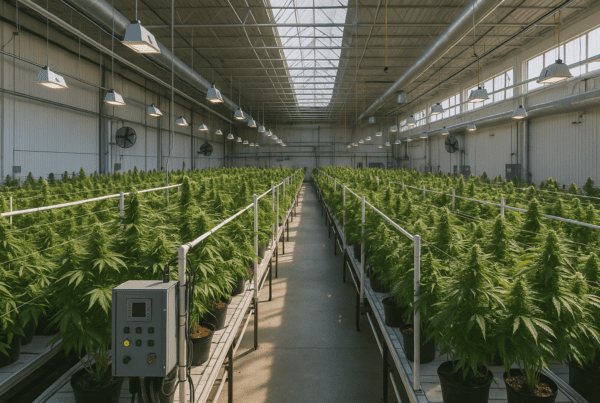
For a long time, commercial cannabis cultivation carried a reputation for consuming a tremendous amount of energy and water. The intense demands of indoor grows, where conditions must be precisely controlled, often made sustainability feel out of reach. But with states tightening environmental regulations and more farms moving outdoors or integrating hybrid models, growers now find themselves reexamining older practices.
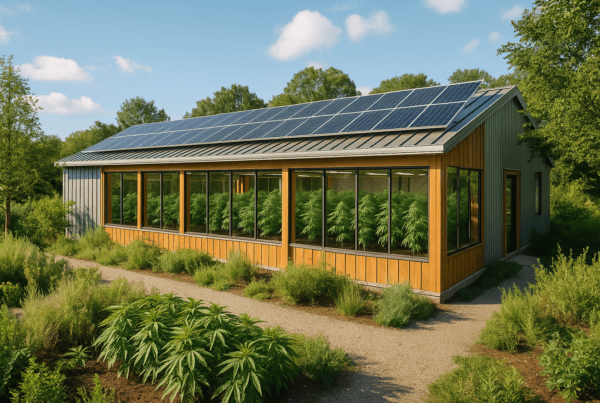
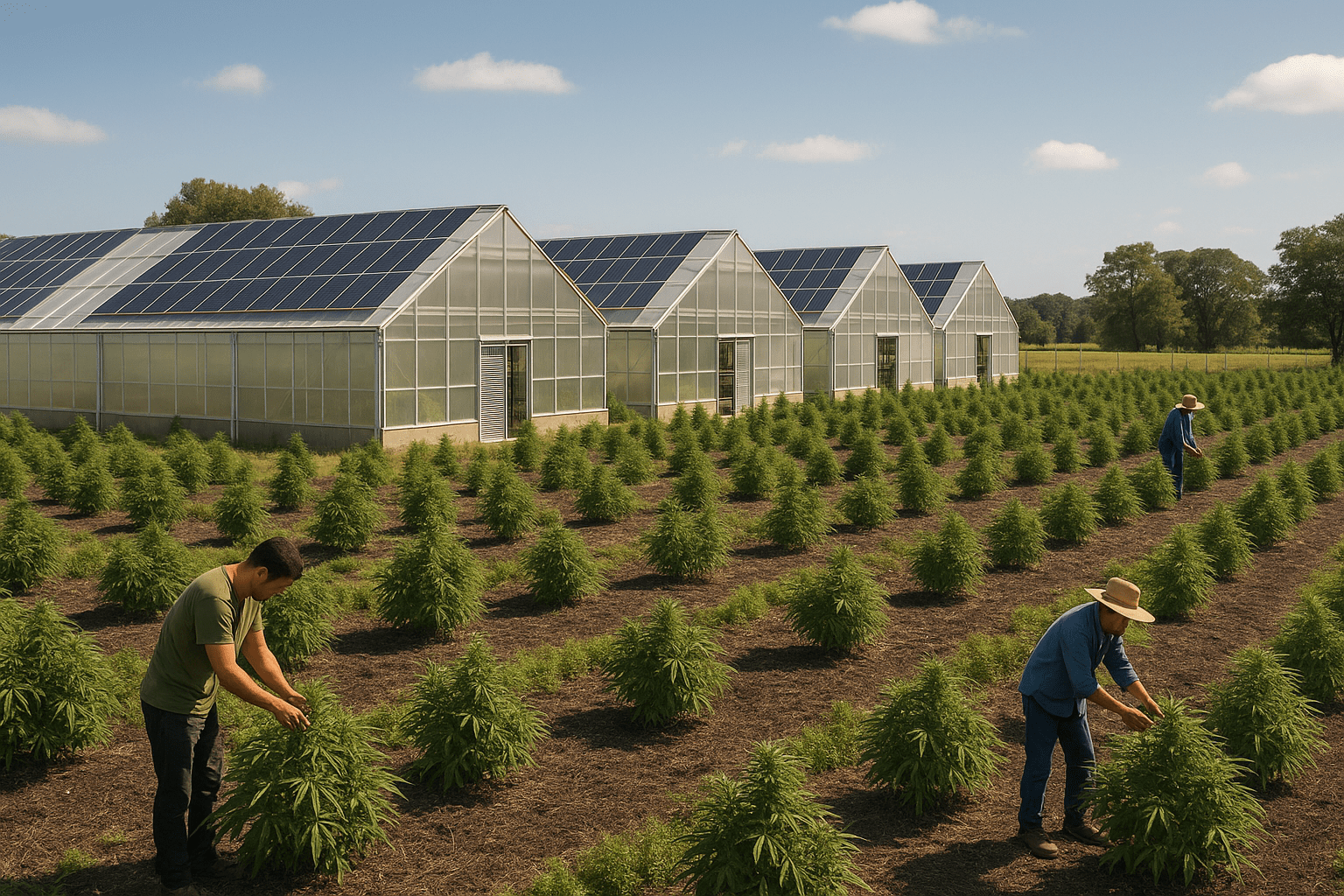
Energy use has traditionally been one of the largest environmental concerns. Facilities relying heavily on high-intensity lighting, ventilation, and climate control have produced a carbon footprint that caught the attention of regulators and environmental advocates. Recent reports from the U.S. Department of Energy’s Solar Energy Technologies Office highlight the potential for integrating solar panels with cannabis cultivation to offset energy consumption, a practice that some operations have started to embrace.
Water use also remains a critical issue, especially in regions where cannabis cultivation overlaps with drought-prone areas. Advances in irrigation technology, such as drip irrigation systems and moisture sensors, help farms use water more efficiently, reducing waste while maintaining healthy plants. The industry’s embrace of soil health and organic growing methods also plays a role in water conservation, as improved soil retains moisture more effectively than inert media.
Regulation as a catalyst rather than a barrier
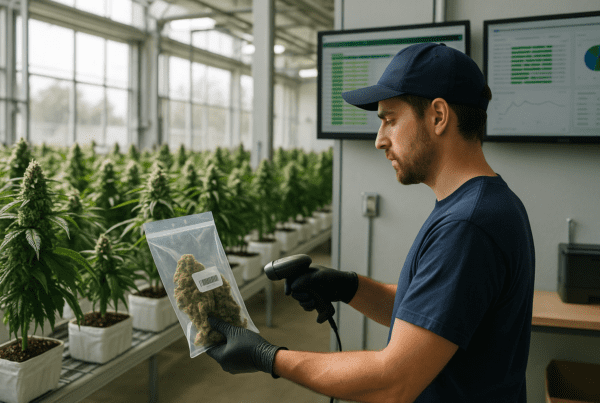
Commercial cannabis cultivation operates in a complicated legal environment and regulation often shapes what is feasible on a farm more than consumer preference. Over the past few years, environmental compliance requirements have tightened. Some states now require farms to track their water and energy use regularly and submit sustainability plans to operate legally. These rules may seem like hurdles, but they also push growers toward innovative solutions that can improve their operations in the long run.
In California, for example, the Bureau of Cannabis Control includes environmental stewardship as part of its licensing process. This has encouraged many cannabis businesses to adopt renewable energy sources and waste reduction tactics earlier than they might have without the regulatory nudge. Similarly, Oregon’s cannabis rules emphasize water rights and efficient usage, reflecting the region’s broader environmental priorities.
These regulatory forces can feel restrictive, yet they often create a baseline for competition where sustainability can become a selling point. Cultivators who demonstrate responsible environmental practices find they can appeal to a growing segment of consumers and investors interested in ethical production.
Real-world examples and outcomes
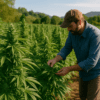
Looking beyond policy, some of the most interesting developments are happening on the farms themselves. One notable trend is the return to outdoor and mixed-light cultivation. Outdoor grows, when done with care for local ecosystems, use far fewer resources than strictly indoor facilities. A company focused on organic outdoor cultivation described how shifting away from intense indoor setups dropped their energy use by over 70 percent while maintaining product quality.
Hybrid models that use greenhouses with supplemental lighting combine the benefits of natural sunlight with some environmental control, reducing energy needs without sacrificing yield. Farmers testing integrated pest management systems aim to minimize synthetic chemical use, supporting biodiversity in their growing environment.
On the waste side, many commercial cultivators now separate plant waste to improve composting efforts, reducing landfill contributions. Packaging is another visible area of change, with an increased use of recyclable and biodegradable materials to reduce the industry’s overall footprint.
These efforts suggest sustainability is not just theoretical for cannabis farms but unfolding in practical ways. It shows a recognition that cannabis cultivation exists within broader ecological and social systems rather than as an isolated, purely commercial activity.
The economic and cultural dimensions
It would be simplistic to view the sustainability shift only through the lens of environmental benefits. For many commercial cannabis farms, managing resources better and cutting energy and water waste also makes economic sense. Reducing utility bills, avoiding penalties for non-compliance, and meeting certification standards that can lead to premium pricing all factor into decisions about cultivation practices.
Meanwhile, the culture around cannabis is evolving. Consumers today often consider a product’s origins, including environmental impact, alongside its effects. Sustainability has become part of a brand story, woven into marketing and customer loyalty in ways that were rare just a few years ago.
The cannabis industry’s growth offers a unique opportunity to adopt sustainable practices early in its development rather than retrofit them later. The story of commercial cannabis farms wrestling with resource demands and environmental responsibility is still unfolding. It reflects larger patterns of how agriculture interacts with global challenges like climate change, resource scarcity, and consumer expectations.
Some might see the pace of change as too slow or notice gaps in adoption, especially among smaller or less resourced farms. But the ongoing conversations among growers, policymakers, and advocates highlight a shared awareness of sustainability’s importance in shaping the future of cannabis cultivation.
For anyone paying attention, this is an area worth watching. The practical steps commercial growers take, how they respond to new technologies and regulations, and how customers embrace these shifts will together tell a nuanced story about cannabis’s place in a changing world.
As the market matures, the evolving intersection of economics, ecology, and culture promises to shape not only the cannabis you buy but the way the plants get grown.
For more perspectives on energy practices and environmental issues in cannabis cultivation, resources like the U.S. Department of Energy’s solar initiatives provide valuable insights. Publications such as Leafly’s reports on cannabis energy use document ongoing industry shifts. Meanwhile, state regulators like the California Bureau of Cannabis Control offer updated guidelines reflecting sustainability efforts across the market.
Sources and Helpful Links
- U.S. Department of Energy’s Solar Energy Technologies Office – Information on solar power technologies and applications in agriculture.
- California Bureau of Cannabis Control – Regulatory information including environmental compliance requirements.
- Leafly reports on cannabis energy use – Articles exploring energy consumption and sustainability in cannabis cultivation.