
Patterns in Cannabis Cultivation and Energy Demand
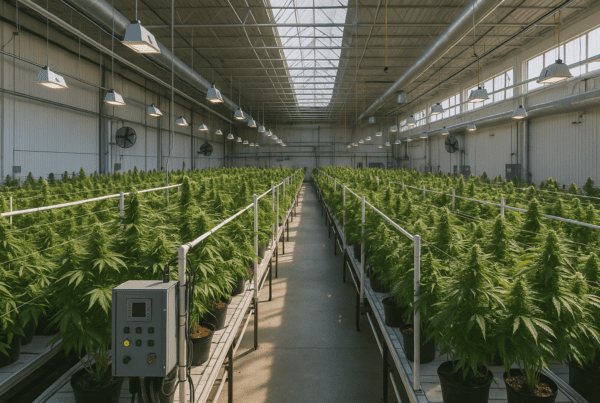
Growing cannabis has always required significant energy, especially when cultivation happens indoors under controlled environments. Artificial lighting, ventilation, and climate control all contribute to a hefty electricity footprint. This energy demand tends to increase as growers seek higher yields and better quality, but that comes at the cost of sustainability challenges. Over time, states where cannabis is legal have introduced energy incentives aimed at encouraging cleaner, more efficient power use.
These programs often target commercial cannabis growers, recognizing both their large-scale energy consumption and potential for impact. The incentives can take many forms such as rebates on energy-efficient equipment, credits for using renewable power, or special rates for off-peak electricity consumption. While the sustainabilty of cannabis cultivation has received growing attention, these state-backed incentive programs add a tangible lever pushing growers toward greener methods.
Varied State Approaches and What They Reveal
Not every state has embraced energy incentives the same way. Some, like California and Colorado, have developed fairly comprehensive rebate and grant programs, while others remain in earlier stages of offering support. These programs reflect the states’ broader energy policies but also an understanding of cannabis cultivation as a unique industrial use case.
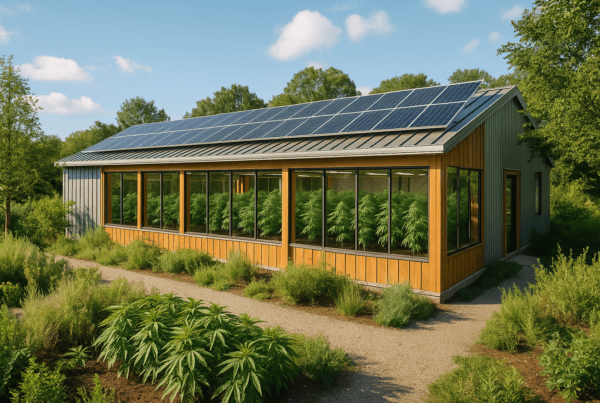
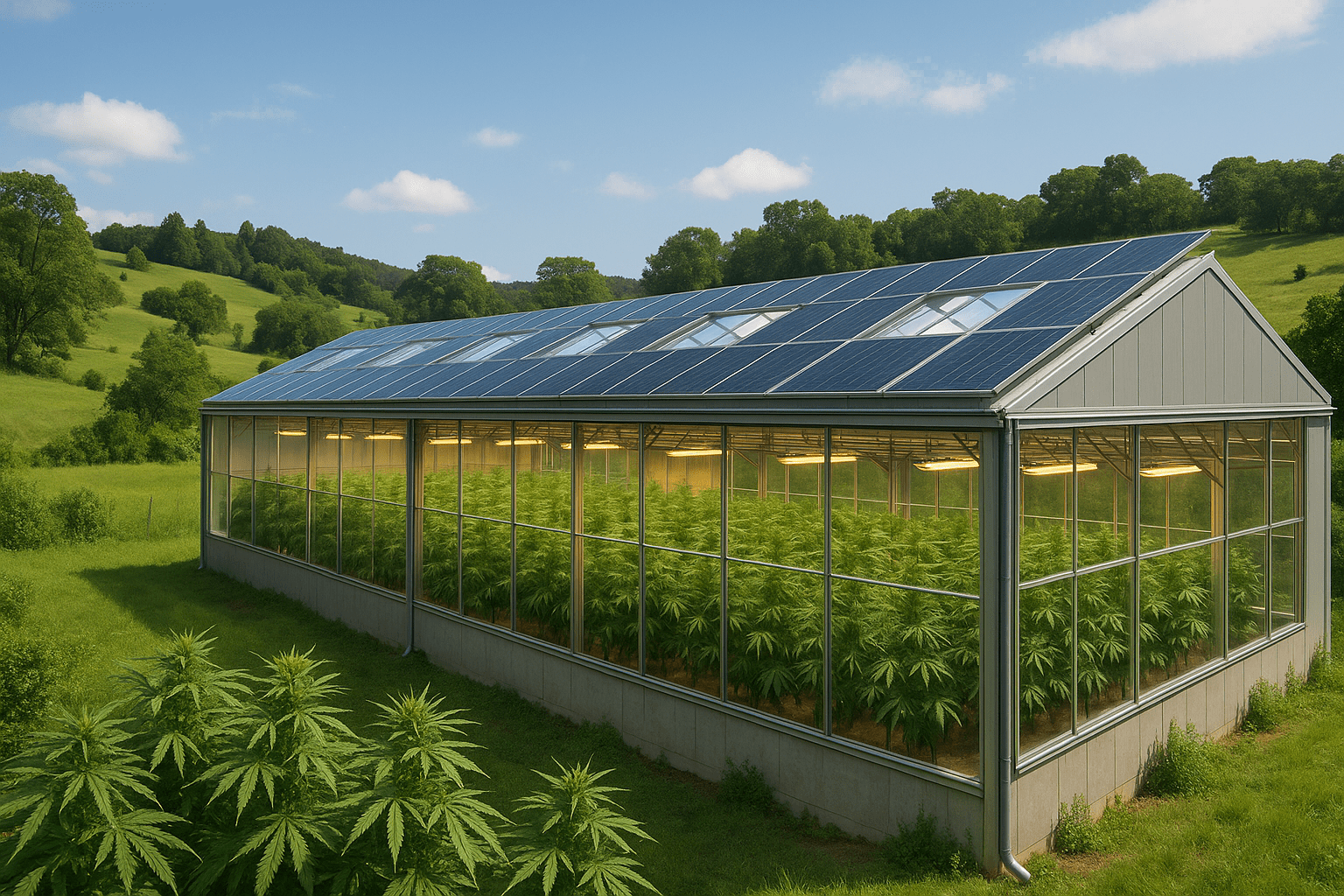
California, for example, offers incentives for lighting upgrades that reduce electricity use while maintaining plant performance. This is especially important given the intense lighting needs of cannabis during flowering cycles and the rise of LED technology as a more sustainable option compared to traditional high-pressure sodium lamps. Meanwhile, Colorado’s energy incentive programs include support for solar panel installations on grow facilities, allowing some operations to offset a considerable portion of their power needs with renewables.
Looking beyond these two, states with less developed or newer cannabis markets tend to have fewer energy-focused programs, relying more on broader commercial or agricultural energy efficiency incentives which can be slower to reach growers. This patchwork approach means the sustainability pressure and opportunity vary widely across the country and often depend on local policy and utility company initiatives.
Real-World Effects on Growers’ Choices
For cannabis businesses, energy incentives are not just abstract policies but factors that influence how they invest in infrastructure. For example, a grower considering upgrading lighting or HVAC systems may find rebates and credits change project economics enough to tip decisions toward more efficient, albeit initially pricier, technology. Some operators report that the availability of incentives accelerated their willingness to replace older setups with newer, greener systems.
Another tangible effect appears when growers add renewable energy components. Solar installations can be prohibitively expensive upfront. But combined with state and utility incentives, growers find solar an increasingly accessible path for achieving lower ongoing electricity costs and shrinking carbon footprints. This matters especially where grid electricity is expensive or heavily dependent on fossil fuels, making renewables both an economic and ethical choice.
There are also ripple effects related to certification and marketing. Some growers use participation in energy incentive programs as part of a green branding strategy, which can attract consumers looking for environmentally responsible products. Though this is still an emerging trend, it signals how policy changes can intersect with market demand and consumer values.
Challenges That Remain Despite Incentives
Energy incentives, while beneficial, are not a silver bullet for cannabis sustainability. Several obstacles persist. The complexity of navigating incentive program requirements can overwhelm smaller growers who lack dedicated staff to handle applications or compliance. Additionally, programs can be inconsistently funded or adjusted, making long-term investment planning difficult.
Grid infrastructure itself presents challenges. In regions with limited grid capacity or high electricity costs, growers may face energy use restrictions or peak-period charges that incentives alone do not solve. This pushes some growers toward off-grid or hybrid systems, but these can require substantial capital and technical know-how, sometimes out of reach without additional support.
Moreover, energy efficiency in cannabis goes beyond just equipment upgrades. Cultivation practices, scheduling of energy-intensive operations, and integrated systems design all matter. Incentive programs rarely address these operational nuances, so growers interested in sustainability must balance multiple factors beyond what rebates alone influence.
Energy Incentives as Part of a Broader Shift
Energy incentives highlight a turning point where cannabis cultivation is beginning to be seen not just as agriculture or manufacturing but as a hybrid sector with complex, evolving sustainability concerns. The incentives reflect wider energy policy trends focused on decarbonization and grid resilience, linking cannabis growing to larger societal challenges.
The growing attentiveness to these incentives also points toward a future where cannabis cultivation may increasingly align with clean energy goals without sacrificing productivity. Over time, growers who have integrated energy-efficient equipment and renewable sources will likely set new standards for operational sustainability. This evolution mirrors a deeper dialogue between regulators, utilities, and the cannabis industry about balancing growth with responsible resource use.
For anyone watching cannabis cultivation trends, attention to energy incentives and their impact offers insight into how environmental awareness and state policies are quietly changing the practical realities of this rapidly developing sector.
More insight into state efforts can be found through resources like the California Energy Commission and the Colorado Energy Office. For national context on energy efficiency programs, the American Council for an Energy-Efficient Economy offers detailed analyses, while the National Renewable Energy Laboratory explores sustainable energy innovations tailored toward cannabis cultivation environments.
Each of these sources sheds light on how nuanced and ongoing the relationship between energy policy and cannabis cultivation will be for years ahead.
Sources and Helpful Links
- California Energy Commission – Official site offering information on energy efficiency programs and incentives in California.
- Colorado Energy Office – Resource for energy initiatives supporting renewable adoption and efficiency in Colorado.
- American Council for an Energy-Efficient Economy – Nonprofit organization providing research and guidance on energy efficiency across industries.
- National Renewable Energy Laboratory – Exploration of clean energy technologies with applications for cannabis cultivation.