
When you walk into a massive cannabis warehouse farm, it quickly becomes clear that managing the plants is only part of the picture. Behind the scenes, the question of how to handle endless schedules, yields, trimming, drying, and inventory isn’t just a logistical challenge. It’s what often creates a distinct line between operations that scale successfully and those that struggle to keep up. Increasingly, warehouse automation is emerging as a central solution in large-scale cannabis cultivation.
Scale Meets Complexity in Modern Cannabis Operations
Large cannabis grows, often spanning tens of thousands of square feet or more, carry a complexity comparable to other agricultural and industrial operations. These facilities must juggle climate control, pest management, nutrient delivery, harvest handling, quality control, and precise record-keeping for compliance. Performing these tasks manually or with limited mechanical support quickly reveals its limits. As grows expand, so does the risk of bottlenecks, human error, and inconsistent product output.
At the same time, the cannabis market’s increasing regulation means that grow operations must keep meticulous data trails while meeting high standards for safety and consistency. This demand nudges operators toward technology capable of real-time monitoring and management. Automation, especially in warehouse environments designed with integrated systems, is becoming a key strategy to manage scale without losing control.
Beyond Lights and Fans: Where Automation Takes Root
Many large cultivators are familiar with automating lighting and environmental systems to maintain ideal growing conditions. But automation in these settings now stretches far beyond.
- Plant Handling Systems are growing more common, with conveyor belts moving plants through trimming stations or packaging lines. This reduces labor-intensive manual transport and helps standardize processes.
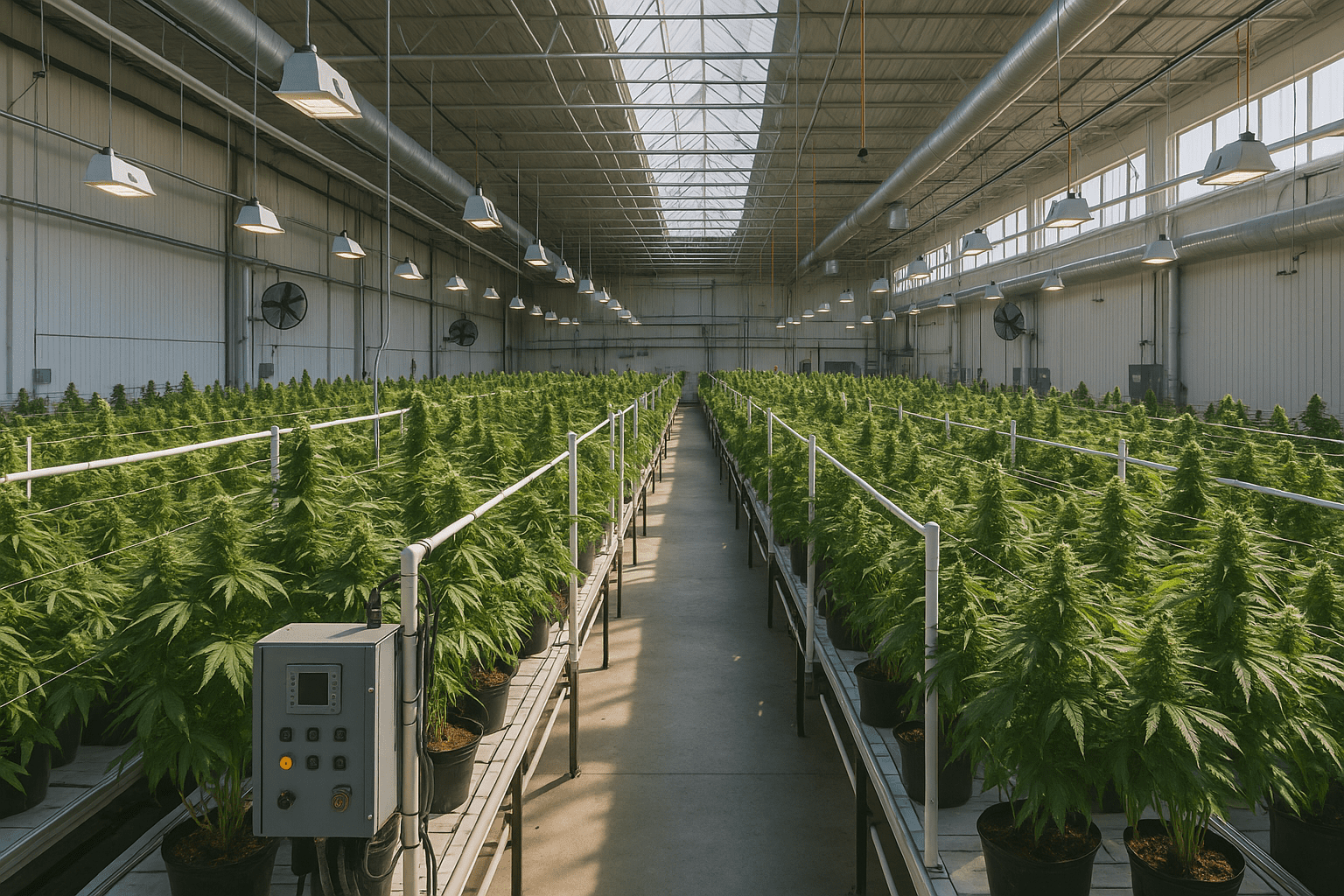
- Environmental Control Platforms link sensors throughout the grow area with software that adapts climate, humidity, and irrigation patterns automatically based on plant life stage and data feedback.
- Trimming Robots remain a developing technology but promise to speed up one of the most laborious parts of cannabis post-harvest processing. These machines cannot fully replace human touch yet but serve to manage volume and reduce labor costs.
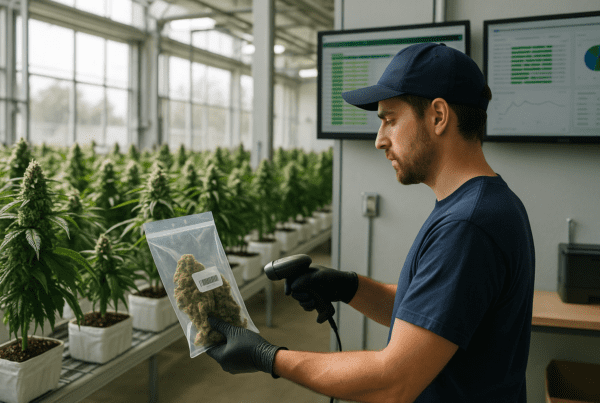
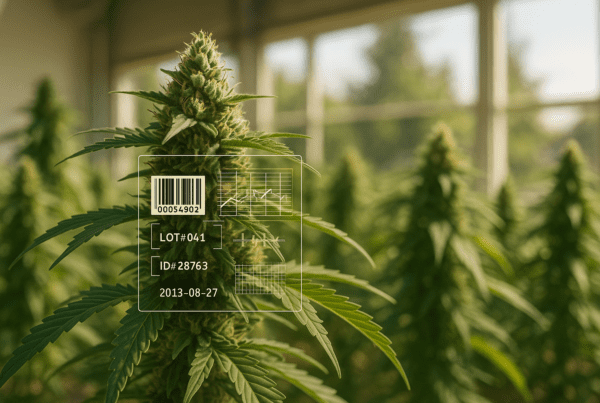
- Inventory and Compliance Software integrated with barcode scanning or RFID tracking provide visibility that helps monitor stock levels, production stages, and regulatory records down to individual plants or batches.
These automated solutions weave together to form a networked warehouse where data flows inform physical action, allowing operators to respond to issues before they become problems.
The Efficiency and Consistency Connection
One of the main benefits of warehouse automation lies in improving efficiency while maintaining or raising product consistency. When components like lighting, irrigation, and trimming are managed with precision technology, cultivators reduce variability in plant growth and development.
Consistency is especially important for cultivators supplying medical cannabis markets or branded products. Consumers and patients alike expect standard potency, flavor, and effects. Automation helps by locking in variables that affect these outcomes and by providing reliable records of every step of production.
Moreover, automation allows cultivators to streamline labor division. Instead of spending hours cycling through repetitive tasks, skilled workers focus on monitoring plant health and making informed decisions. This balance not only improves morale but can lead to innovation in growing techniques.
Challenges Growing Automation’s Reach
Warehouse automation is not without hurdles. The cannabis industry, despite rapid progress, often faces barriers related to financing, technology adoption, and regulatory uncertainty in some regions.
Costs of robotic trimming equipment or integrated environmental control systems can be significant upfront. Not every grower or company has access to capital needed for large-scale automation, particularly smaller operations that might want to grow but cannot yet invest in these technologies.
There is also a learning curve and infrastructural demands. Integrating disparate technologies into a cohesive system takes planning and expertise not always found internally in cannabis companies. Some operators partner with tech firms specializing in agricultural automation for this reason.
Furthermore, because cannabis remains federally illegal in the United States, many research and development efforts are constrained, limiting available options in comparison to other crops or industrial sectors. Still, companies are finding ways to innovate within these limits.
What This Means for the Cannabis Market
Automation in large cannabis warehouses signals a maturation of the industry. Cannabis is stepping into a space where industrial-scale methodologies meet regulatory demand and consumer expectations for quality.
As automation becomes part of the cultivation landscape, it may shape how new markets open and how existing ones evolve. Facilities that succeed in optimization will likely find themselves better positioned against competition that relies heavily on manual labor and fragmented systems.
At its core, warehouse automation reflects the push to turn cannabis cultivation from a craft or artisanal pursuit into a scalable, consistent agricultural enterprise. This shift does not erase the plant’s variability or complexity but acknowledges that managing these factors on a large scale requires more than human hands alone.
Those watching or involved in cannabis growing may find it worth following the tools and techniques that automation introduces, especially as they move beyond just environmental controls to include harvesting, processing, and compliance. The cannabis warehouse of the future will likely be a place where machine and human skill collaborate in new ways.
For more on how cultivation and technology intersect, resources like Project CBD’s cultivation insights provide nuanced views of growing challenges. Meanwhile, industry news outlets such as Greenhouse Grower track emerging trends in automation and horticulture technology. For regulatory compliance and best practices, the National Conference of State Legislatures’ overview offers a broad look at evolving cannabis laws affecting cultivation practices.
Automation is not a silver bullet or a short cut. It is, however, a growing reality for large-scale cannabis cultivation that reveals how the industry balances plant care, efficiency, and the demands of an expanding marketplace.
As warehouse farms keep scaling up, immersing in this evolving landscape will be less of an option and more a necessity.
Sources and Helpful Links
- Project CBD cultivation insights, offering in-depth information on cannabis growing complexities and challenges
- Greenhouse Grower news, tracking innovations in horticulture and automation technologies
- National Conference of State Legislatures cannabis overview, covering regulatory frameworks impacting cultivation