
The idea of scaling cannabis cultivation inside bustling cities brings together excitement and frustration in roughly equal measure. Urban growers often live close to markets and enjoy some geothermal or utility advantages, such as access to infrastructure and labor. Yet stretching a small-scale grow past a few dozen plants requires grappling with practical, legal, and environmental challenges that get tangled up with the very nature of urban living.
Every Inch Counts, But Costs Multiply
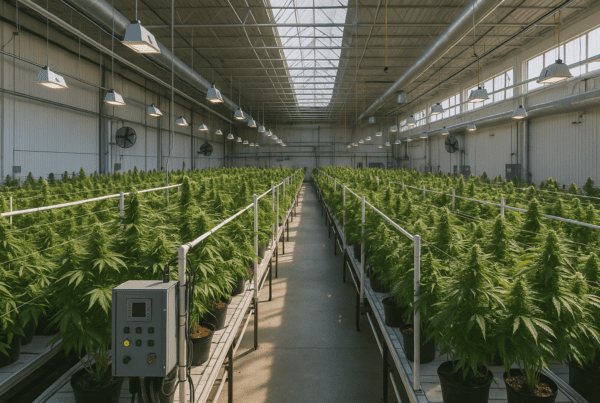
In places where cannabis cultivation is legal but space is scarce, growers often resort to repurposing industrial warehouses, commercial retail spaces, or whole floors in mixed-use buildings. While it may seem straightforward to expand an indoor grow by renting a bigger footprint, the costs and complications leap ahead of expectations. Adding square footage can multiply expenses for climate control, ventilation, security, and electrical upgrades at a pace that often outstrips revenue growth.
Electrical capacity often becomes a bottleneck. Older commercial buildings were not designed with the powerhouse lighting and environmental controls cannabis demands. Upgrading to meet these needs can involve navigating complex code compliance and negotiating with utility companies. The expenses add up quickly, squeezing margins and forcing some operators back to smaller setups that feel more manageable.
Water and waste management also become major concerns. Urban regulations might limit water usage or require elaborate filtering systems for runoff. Old plumbing may not support increased supply or drainage needs without costly renovations. As some growers here have told Leaf Reporter, the allure of a big city market can rapidly dim when faced with these practical hurdles.
A Web of Regulations and Permits
On top of physical constraints, legal frameworks in cities present a patchwork of restrictions that can make scaling feel like threading a needle. Local zoning often restricts where cannabis can be grown, frequently banning cultivation near schools, parks, or residential neighborhoods. In many cases, specific permits are required for different stages of operation from seed to sale. Sometimes a simple expansion triggers fresh review processes, igniting delays or additional fees.
Enforcement can vary widely, too. Some municipalities take a cautious or even hostile approach, imposing strict limits on canopy size or requiring costly inspections that can slow or halt growth plans. Others adopt a more collaborative stance but still require growers to demonstrate detailed environmental impact studies or community benefit agreements. Understanding and complying with this regulatory landscape requires steady attention and sometimes a dedicated compliance team just as much as horticultural expertise.
Urban growers report that moving from small personal or craft grows into commercial scale frequently leads to unexpected legal entanglements. Those new to expanding often find themselves drawn into protracted negotiations with city officials or neighboring businesses concerned about odors, security, or increased traffic. This tension underscores how scaling cultivation in cities is always a balance between opportunity and complication.
The Challenge of Environmental Control in Dense Areas
Plants live and breath within their environments. In tight city spaces, managing that environment feels like a constant puzzle. For each extra light fixture added, ventilation must ramp up to prevent heat buildup and control odors that might upset neighbors. Noise from fans and machinery also becomes more noticeable amid densely packed buildings, drawing complaints that can trigger inspections or fines.
Many urban cultivators rely on sophisticated HVAC systems that tightly monitor temperature, humidity, and airflow to optimize plant health without running afoul of regulations on noise and emissions. These setups require not only upfront capital but ongoing tuning and replacement of parts, creating a maintenance burden that scales disproportionately with size. When several rooms fill with hundreds or thousands of plants, even small inefficiencies become acute problems.
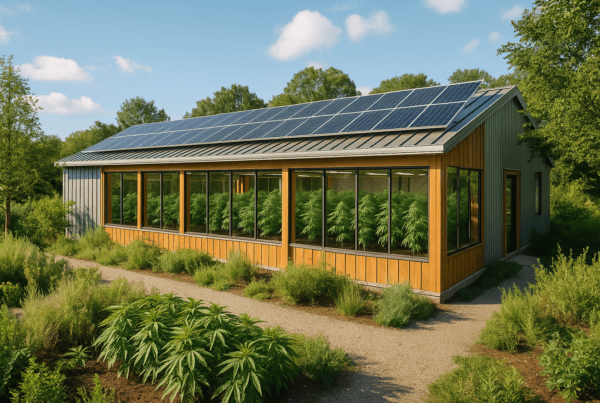
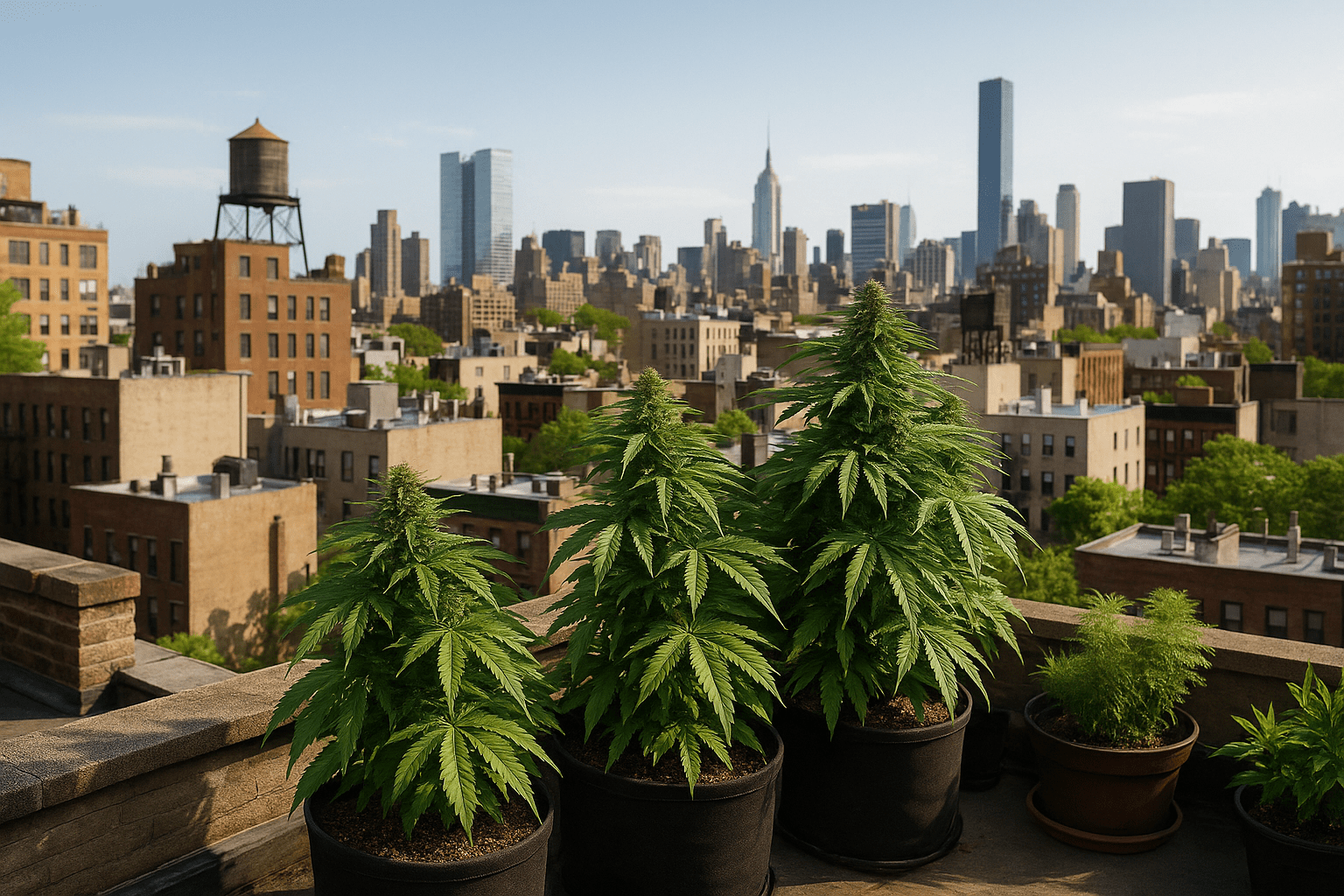
Natural light is a rare luxury indoors, so growers turn to powerful artificial LEDs, though electricity consumption prompts concern for sustainability and costs. Some growers experiment with partial outdoor or rooftop gardens, drawing on sunlight to reduce energy needs. But these options raise their own sets of regulatory and environmental issues including zoning permissions and stormwater management.
Community Relations in the Urban Jungle
Scaling cultivation inevitably changes the social fabric around a grow site. Friendly neighborhood tolerance can shift if odors become intrusive, delivery traffic grows, or security guards visibly increase. Craft operations prized for their stealth or small scale become less anonymous, requiring a more proactive approach to community engagement.
Some urban growers build goodwill by organizing neighborhood meetings, investing in odor control technologies, or contributing to local initiatives. Others struggle with ongoing complaints that arise even with thoughtful planning. The challenge of being a good neighbor grows with every plant added.
Finding Balance Between Ambition and Reality
Expanding cannabis cultivation in urban settings is a negotiation between the possibilities cities offer and the real costs involved. The close connection to market and talent pools is compelling, yet the layers of regulation, infrastructure needs, and community dynamics place clear limits on how far operations can stretch. Many growers end up adjusting ambitions toward hybrid models that combine small indoor grows with supplemental outdoor plots or partner with established cultivators outside city limits.
What emerges is a picture of scaling that is never purely technical or financial but always deeply enmeshed with place and people. The growing cannabis industry in cities embodies a wider story about how urban life adapts to new industries and the compromises that come with growth. For those willing to meet these challenges head-on, it is less a simple business expansion and more a long-term practice of negotiation, adaptation, and commitment.
For a more detailed look at urban cultivation realities and regulatory navigation, Leaf Reporter readers can explore reports on city-level cannabis policies and conversations with local growers who share their experiences.
Sources and Helpful Links
- Leaf Reporter on Urban Cultivation Utilities, a discussion on infrastructure challenges for city cannabis grows
- Leaf Reporter on City Cannabis Regulations, insights into navigating local rules and permits
- National Conference of State Legislatures on State Cannabis Laws, a resource on legal frameworks affecting urban cultivation
- Oxford Journal of Law and Biosciences article on Urban Cannabis Regulation, academic analysis of social and legal challenges in cities