
The idea of taking a little cannabis instead of a lot has taken hold among many users who are seeking a different kind of experience than the stereotypical high. Microdosing is about finding a subtle sense of relief or calm without strong intoxication, an approach that seems to fit with certain wellness goals and lifestyle demands. Observing conversations in communities, forums, and dispensary windows reveals how this practice has emerged from the broader cannabis culture and reshaped expectations about consumption.
Unpacking the subtlety of scaled-down doses
Cannabis microdosing is not a new idea, but its current prominence reflects shifting attitudes toward cannabis as a functional substance rather than just a recreational one. Unlike traditional use, which may aim for a peak high or intense relaxation, microdosing typically involves doses under 5 milligrams of THC, sometimes even lower depending on tolerance or intent. These small amounts can produce mild helps with anxiety, mood, or focus that some users describe as more manageable throughout the day.
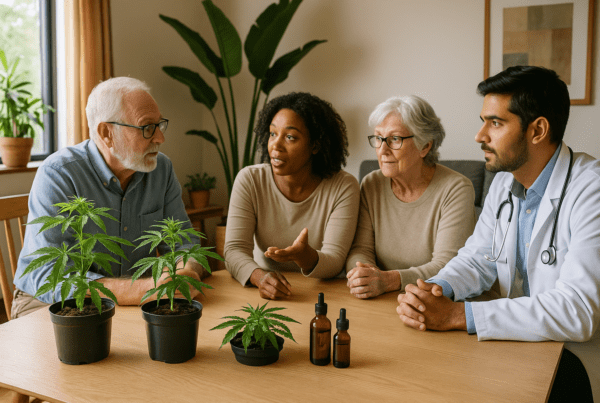
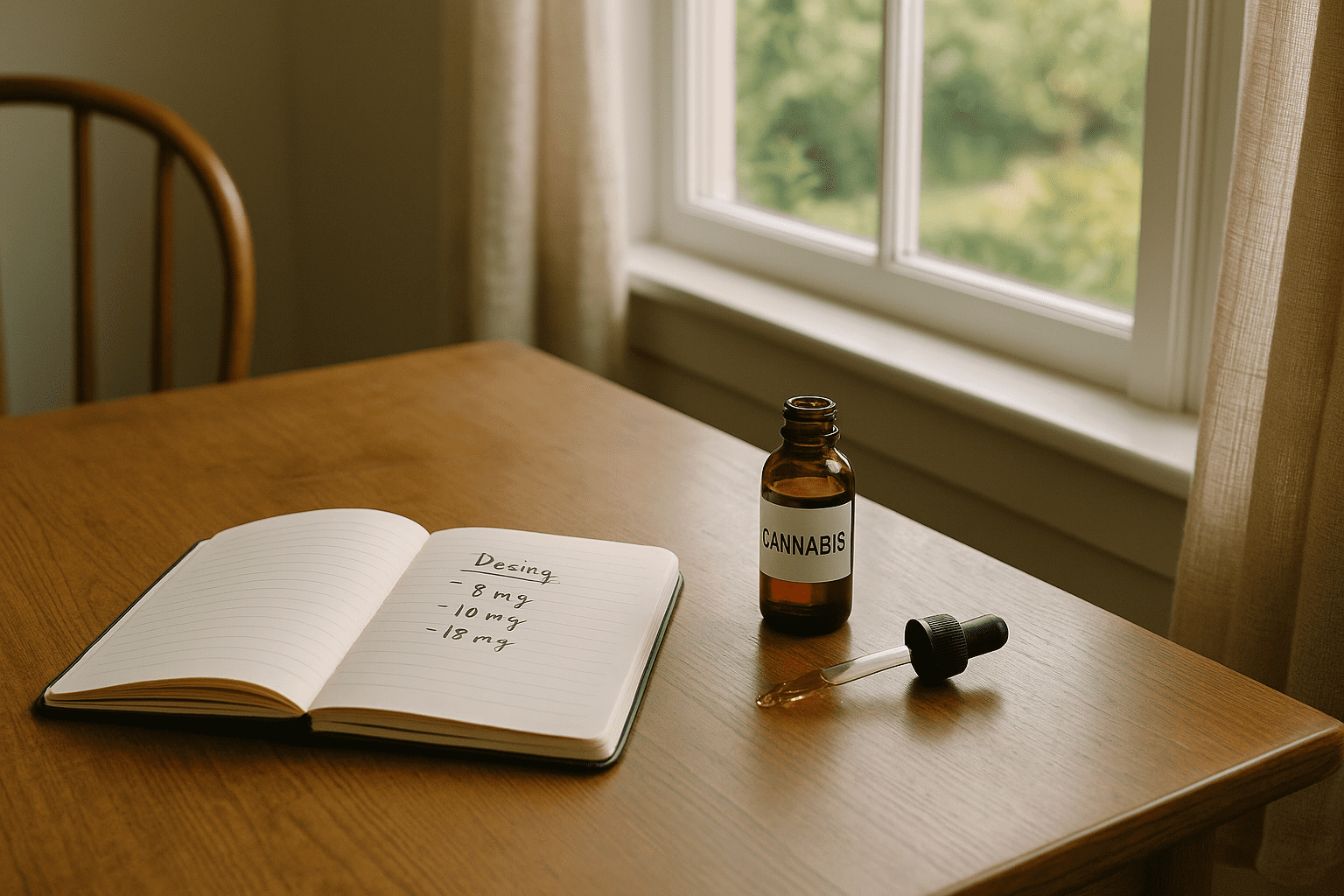
Interestingly, the methods for microdosing have diversified with the rise of vape pens, tinctures, and low-dose edibles that promise precision and consistency. For instance, tinctures with measured droppers allow users to cautiously increase their dosages by a fraction of a milliliter, offering a tactile sense of control. This precision appeals especially to those who want to avoid feeling “out of it” while still gaining benefits. These approaches contrast with flowers or joints, where dosages are less certain and effects more immediate and potent.
The varied reasons behind trying a smaller dose
Many consumers approach microdosing with a pragmatic mindset. Some use it to address specific symptoms like chronic pain, mild insomnia, or nervousness before work or social situations. Others find that microdosing helps them unwind without fogging their creativity or energy. These reports often describe a balance, as if cannabis becomes a gentle companion rather than a dominant force. It is not about avoiding the plant’s effects entirely but about sculpting them into a usable form.
At the same time, the wellness framing has become a popular way to talk about microdosing culture. Articles and reports describe how people integrate small amounts of cannabis into their routines similarly to supplements or teas. The ritual of dosing, journaling effects, or choosing the type of product might contribute as much to the experience as the chemical impact. The act of engagement, matched with subtle physiological changes, creates a layered relationship with the plant.
This emerging norm diverges sharply from older stereotypes of heavy consumption or escapism, suggesting a new chapter in cannabis consumption focused on nuance and personal calibration.
Listening to the person behind the dose
What stands out when examining consumer accounts is how personal the experience is. Some find microdosing effective almost immediately, while others may need to experiment over weeks to identify the best product, dose, and timing. As with many plant medicines, the interplay of genetics, environment, and psychology shapes outcomes.
For example, some individuals report that morning microdoses accompany their meditation or yoga practice, helping them sustain concentration and ease without detracting from alertness. Others mention how small doses help with social anxiety, providing a slight warming sense of ease without making them seem sluggish or disconnected. The language used by microdosers often highlights discovery, tweaking, and tuning, which in turn underscores that this is not a one-size-fits-all approach.
Because microdosing can be so individualized, consumer forums, social media groups, and dispensaries have become places where people share stories and tips. These exchanges not only help newcomers but shape collective knowledge about cannabis in forms that are more accessible than before. Hearing from people who balance jobs, families, and hobbies while using cannabis discreetly brings a lived experience to the trend rather than a marketplace-driven message.
Challenges and nuances in the experience
Despite many positive reports, microdosing is not without challenges. Measuring doses accurately remains a hurdle, especially when dealing with flower or homemade edibles. Variability in product labeling, potency, and individual metabolism means that even small doses can sometimes produce unexpected effects.
Moreover, the legal landscape complicates access and consistency. In places where cannabis remains federally illegal, reliable testing and quality assurance for microdosing products are less certain. Consumers sometimes navigate a patchwork of options, relying on dispensary staffs, friend recommendations, or online resources to make educated choices.
Some also point out that cannabis tolerance and diminishing returns can make microdosing tricky over time. The body’s adaptation to cannabinoids means a dose that initially seems perfect might require adjustment or pauses to maintain effectiveness. This ongoing relationship suggests that microdosing is a practice demanding mindfulness and flexibility rather than a fixed prescription.
What the trend says about broader shifts in cannabis culture
Microdosing reflects a broader pattern of people seeking to integrate cannabis in ways that suit a balanced, often busy life. It challenges conventional notions of cannabis use and expands the spectrum between abstinence and heavy consumption. The demand for low-dose, precise products speaks to a market and a culture attentive to wellness, functionality, and subtlety.
As researchers study cannabinoid effects at varying doses, these grassroots experiences contribute valuable perspectives on how the plant fits into daily life. Reports from people rather than clinical trials illustrate a diversity of outcomes that calls for further exploration rather than simple conclusions.
What remains consistent is that microdosing is a messy, evolving, and deeply personal space inside the cannabis world. It reveals how users articulate their needs, negotiate the plant’s power, and seek new kinds of normal. Whether microdosing becomes a stable practice or continues to shift with time, it highlights the dynamic relationship people have with cannabis today.
Exploring this trend means paying close attention to voices from all corners-from those embracing subtle enhancements to those navigating uncertainties. The stories shared contribute to a more textured understanding of cannabis use that goes beyond headlines, market gimmicks, or one-dimensional frames.
For those curious or considering microdosing, the variety of experiences and products suggests careful experimentation and patience could be key. What matters most might ultimately be how individuals find their own balance rather than a universal standard or expectation.
The ongoing conversations, product development, and observational research will continue shaping what cannabis microdosing means in years to come, reflecting a living dialogue between plant, person, and culture.
For those interested in learning more about cannabis dosing, the Project CBD resource on dosing offers thoughtful analysis. The Leafly overview of microdosing captures consumer perspectives well. Insights from the National Institutes of Health study on cannabis effects provide grounding in cannabinoid science. And dispensaries like Caliva’s microdosing offerings illustrate how the market responds to demand for measured, mild experiences.
Sources and Helpful Links
- Project CBD dosing guide A detailed look at CBD and dosing approaches from an educational nonprofit.
- Leafly’s microdosing insights Consumer-focused explanations of microdosing benefits and challenges.
- NIH research on cannabis dose effects Peer-reviewed scientific study exploring how cannabis dose influences effects.
- Caliva microdosing products Example of cannabis dispensary offerings catering to microdose users.