
It is interesting to see how consumer tastes in cannabis have been adjusting quietly over the last few years. The early rush for extremely high-THC cannabis has given way to a more tempered interest in balance, a search for products that offer complexity rather than just potency. This shift does not grab headlines in the way soaring THC percentages once did, but it carries meaningful signals about what users really want from cannabis.
From THC Obsession to Broader Exploration
For a long time, the industry and enthusiasts chased after higher THC numbers as if that were the ultimate mark of quality. Cannabis flower boasting numbers well over 20 percent THC became the norm in dispensary menus and marketing. Yet, despite the hype, many consumers eventually found that higher THC did not automatically translate into a better or more enjoyable experience. Some reported feelings of anxiety, paranoia, or a kind of one-dimensional intensity that wore thin.
As a result, a growing group of consumers began looking for products with more diverse cannabinoid and terpene content. They were interested in how these compounds worked together, not just in isolation. Balanced cannabinoid profiles, meaning the ratios of THC to other cannabinoids like CBD, CBC, or CBG, became something to watch for as the industry matured.
This trend toward balance reflects a more refined approach to cannabis, one that values nuance over extremes. It also aligns with users who consume cannabis regularly and seek predictable, manageable effects over novelty or intensity alone.
The Role of CBD and Minor Cannabinoids
One of the clearest indications of this change is the rise in interest around CBD and other minor cannabinoids. While CBD first attracted attention mainly as a non-intoxicating component with potential health benefits, users have increasingly noticed how it influences the effects of THC when taken together.
The interaction between THC and CBD is complex and still under research, but many consumers say a balanced ratio offers a smoother, more enjoyable high with reduced side effects like anxiety. This has encouraged products designed to highlight such ratios rather than push THC levels to new highs. Some prefer a 1:1 ratio of THC to CBD, especially in medical contexts, while others seek different proportions tailored for relaxation, focus, or creativity.
Alongside CBD, cannabinoids like CBG (cannabigerol), CBC (cannabichromene), and even trace compounds are gaining interest. Although prevalent in smaller amounts, their potential synergy with THC and CBD adds layers to the experience for those who pay attention. This attentiveness to the full cannabinoid ensemble reflects a shift away from the old THC-centric mindset.
Terpenes Joining the Conversation
Another element often overlooked in the earlier THC race was the role of terpenes, the aromatic compounds that give cannabis strains their distinct scents and flavors. As consumers grow more sophisticated, the combination of cannabinoids with terpene profiles is increasingly important to their choices.
Terpenes can modulate the effects of cannabinoids and contribute to particular moods or sensations. For example, myrcene is associated with relaxation, while limonene may boost energy or uplift mood. Attention to terpene content is part of the wider interest in how the whole plant chemicals come together to influence effects.
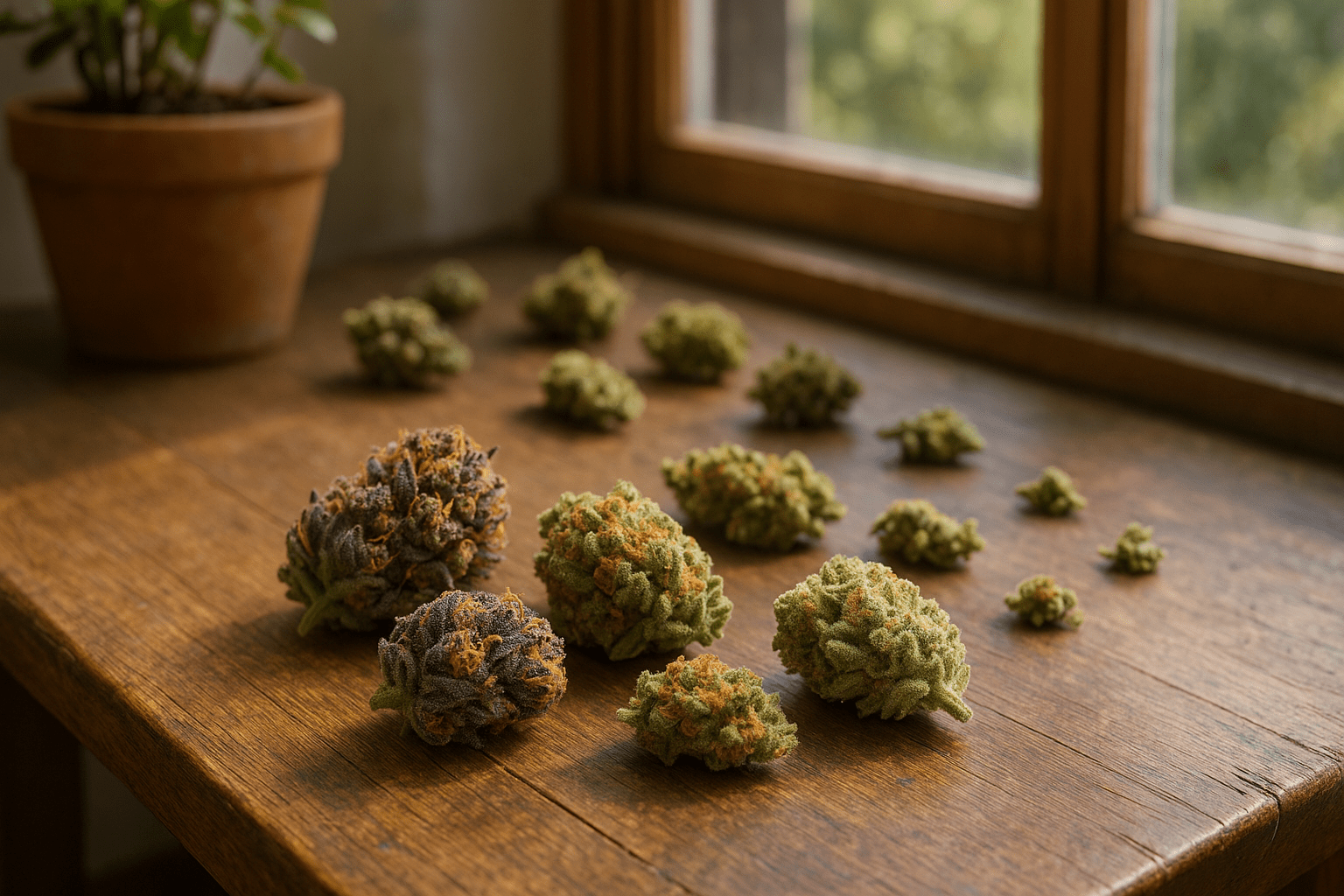
This appreciation has nudged some consumers back toward whole-flower cannabis or products that emphasize natural terpene retention. Rather than relying on isolated THC extracts, users explore strains or formulations that deliver a layered experience shaped by these subtle chemical companions.
Industry Response and Product Innovation
The market has started to reflect these consumer desires by offering more diverse product lines that promote balanced cannabinoid content. Pre-rolls, tinctures, and edibles branded as THC-CBD balanced or broad-spectrum are becoming commonplace. These options allow users to experience effects that differ from the high-THC norm, which can feel intense or unpredictable to some.
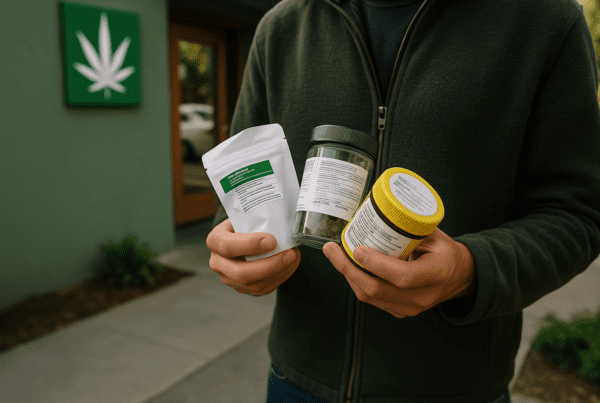
Some brands are also transparent about minor cannabinoid content, responding to a small but growing audience seeking these details. Lab testing and clear labeling help consumers make informed decisions, further encouraging experimentation with balanced profiles rather than a narrow focus on THC alone.
The shift also shows in the rise of hybrid strains designed to blend characteristics and soften extremes. Rather than chasing dominance in one cannabinoid, breeders, growers, and producers are investing in plants that offer complexity and a spectrum of effects.
What This Means for Everyday Users
For the average consumer, moving toward balanced cannabinoid profiles often means a more thoughtful and personalized cannabis experience. It encourages paying attention to how particular blends affect mood, relaxation, focus, and creativity instead of just seeking the strongest high. This evolving preference also supports wellness-oriented uses, helping people integrate cannabis into daily routines without unwanted side effects.
The quiet nature of this evolution suggests it is less about a headline trend and more about a natural maturation of consumer awareness. People are learning to listen to their bodies and craft a relationship with cannabis that fits their needs rather than chasing extremes.
For growers and producers, this trend invites a renewed focus on plant diversity, care in cultivation to preserve terpene profiles, and openness in sharing cannabinoid makeup. The industry may keep growing in sophistication, guided by consumers who want more than just THC numbers.
As cannabis continues to become part of mainstream culture and lifestyles, this shift toward balanced cannabinoid profiles hints at a broader acceptance of the complexity within the plant. It moves past the old binary of just high versus low THC and toward embracing the many compounds that shape the user experience.
Understanding these preferences also matters for regulation and education. Products with balanced profiles often occupy more nuanced spaces in policy and medical discussions, encouraging dialogue about what cannabis users actually need.
This evolutionary path may seem slow or subtle, but it reflects a maturing industry and consumer base that values quality, consistency, and a personalized approach. The quiet shift toward balance is an important chapter in cannabis’s ongoing story, reminding us that the plant’s richness goes far beyond a single number or sensation.
For those paying attention, the future of cannabis looks far richer and more varied than the past obsession with THC strength suggested. That evolution is worth watching closely.
For more on cannabinoid profiles, the National Institute on Drug Abuse offers detailed insights on cannabis chemistry and effects, which can help consumers navigate this complexity with more confidence.
The cannabis research portal at Project CBD also provides accessible analysis of how balanced THC and CBD ratios impact wellness and experience.
The Leafly strain explorer is a practical resource where consumers can examine terpene profiles alongside cannabinoid content, helping make sense of what different combinations might feel like.
Consumers looking for lab-tested products with clear cannabinoid breakdowns may find details in regulatory websites like the California Bureau of Cannabis Control, which sets strict labeling requirements to promote transparency.
Sources and Helpful Links
- National Institute on Drug Abuse – a government source exploring cannabis chemistry and effects.
- Project CBD – an educational site focusing on the interplay of cannabinoids like THC and CBD.
- Leafly Strain Explorer – detailed profiles including terpene and cannabinoid data for popular cannabis strains.
- California Bureau of Cannabis Control – regulatory body with product labeling guidelines ensuring cannabinoid transparency.