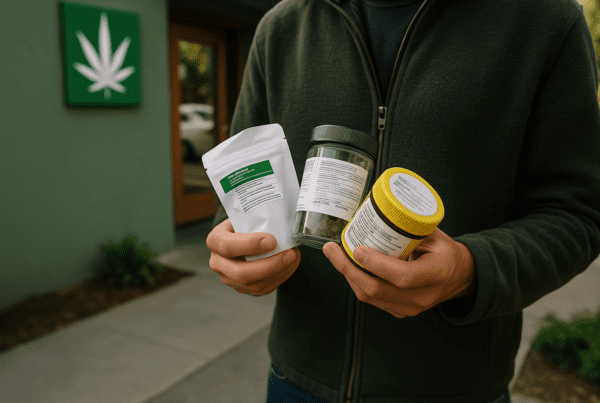


Terpenes are something you’re likely to hear a lot about in the cannabis world, but honestly, most of us don’t really get what they do at first. I remember the first time I walked into a dispensary and someone asked if I preferred limonene or myrcene. I was completely lost. It felt like they were speaking a whole new language. But as I learned more, it started to click why two strains with the exact same THC level can feel totally different.
Basically, terpenes are natural compounds that give cannabis, fruits, and many other plants their unique smells and flavors. But they’re not just about scent—they actually shape how a strain affects your body too. Once you start paying attention to them, the experience goes way beyond just THC. For me, understanding terpenes made picking the right strain a lot easier and way more intentional.
What Terpenes Really Are
Terpenes are oils that plants produce to protect themselves against bugs or tough environments. Cannabis produces a bunch of different ones, which is why every strain has its own distinct personality. Think citrus, pine, lavender, pepper, or even diesel—those come from terpenes. You’ve probably smelled them a hundred times even if you never touched cannabis before.
Limonene is that bright, citrusy lemon scent. Pinene smells like fresh pine trees. Myrcene has an earthy, herbal aroma. These same compounds are in essential oils and herbs, and your body reacts to them whether they’re from a kitchen herb or a cannabis flower.
How Terpenes Shape the Effects
Most people think THC is the only thing that affects how high you get. Sure, it’s important, but it doesn’t tell the full story. From what I’ve noticed, terpenes play a big role in how your body and mind experience a strain. They actually steer the effects. Some give a soothing vibe, while others might lift your mood or make you feel lighter in your body.
There’s this idea called the entourage effect—it means cannabinoids and terpenes work as a team, not solo. THC might be the main psychoactive player, but terpenes shape where the experience goes and how intense it feels. So when someone says a strain makes them sleepy or energetic, it’s usually the terpenes doing most of the guiding.
Common Cannabis Terpenes You’ll Run Into
Once you get the hang of it, you’ll start to notice which terpene combos your body prefers. Most strains have a mix of terpenes, but some pop up a lot.
Myrcene
Myrcene has an earthy, musky scent and is one of the most common terpenes. It tends to relax the body, and many of the classic heavy strains are rich in myrcene. If you’ve ever felt that full-body melt after a long day, myrcene probably had a hand in that.
Limonene
Limonene smells citrusy and fresh. In my experience, strains high in limonene usually feel uplifting and easygoing. They kind of clear your mind, like taking a deep breath on a sunny afternoon.
Pinene
Pinene smells like pine needles, and you’ll also find it in rosemary and basil. It can bring a sense of alertness and clarity. Some folks say it helps them focus or balance out heavier effects.
Linalool
Linalool carries that soft, floral lavender scent. It’s often linked to calming and peaceful feelings. If you’ve ever used lavender to relax, cannabis with linalool works similarly.
Caryophyllene
Caryophyllene smells spicy and peppery. It’s unique because it actually interacts directly with the body’s endocannabinoid system—the same one THC affects. From what I’ve noticed, strains rich in caryophyllene can feel grounding and steady.
Why Terpenes Make the Same THC Feel Different
It used to confuse me that two strains with 20 percent THC could feel like completely different experiences. I thought higher THC always meant stronger effects, but that’s not how it works. A strain high in limonene at 20 percent THC might feel bright and smooth, while one rich in myrcene at the same THC level might have you glued to the couch by night’s end.
Think of terpenes like seasoning on food. You can cook the same ingredients but end up with totally different flavors depending on how you spice it. Cannabis is the same way. The cannabinoids form the base, and terpenes are the seasoning that add personality to the experience.
Picking Strains Based on Terpenes
More dispensaries are listing terpene profiles these days. Once you know what you’re looking for, choosing a strain gets easier than just relying on catchy names. Here’s a simple rule of thumb from my experience.
Looking for something to relax in the evening? Go for strains with myrcene, linalool, or caryophyllene. Want something bright and social? Limonene or pinene tend to fit the bill. It’s not an exact science since everyone reacts a bit differently, but these trends hold up pretty well.
Some growers even list the top three terpenes right on the package. Once you find a combo that works for you, watch for it in other strains. You might notice it keeps showing up in your favorites.
The Power of Smell
One thing I’ve learned is to trust your nose. Terpenes hit your senses immediately. If a strain smells inviting or relaxing, there’s a reason — your body recognizes the terpene blend even before your brain fully processes it. I’ve tried high-THC strains I didn’t like simply because the scent didn’t vibe with me. And I’ve had lower-THC strains feel perfect thanks to their terpene profile matching my mood.
Your sense of smell is seriously powerful. When a budtender hands you a jar, take a minute to really sniff it. You might catch hints of citrus, pine, pepper, or something sweet. That scent often gives you a sneak peek into how the strain might feel.
Terpenes and Your Body’s Natural System
Your body has an endocannabinoid system that helps regulate your mood, stress, sleep, and overall balance. Cannabinoids like THC and CBD interact with this system, but terpenes influence how those interactions actually feel. Some terpenes might even help your body absorb cannabinoids better, while others nudge the effects toward relaxation, alertness, or balance.
Scientists are still figuring out exactly how all this works. Most of what we know comes from plant studies, aromatherapy research, and consistent user experiences. While the research is ongoing, millions of cannabis users report similar effects, making it clear that terpenes matter more than we once thought.
Understanding a Lab Report
If you want to take the guesswork out of it, lab reports give you a clear look at a strain’s terpene content. They usually list the top three to five terpenes by percentage. If a strain is high in myrcene, it’ll show. Same with limonene or pinene.
From what I’ve seen, anything over one percent for a specific terpene is considered pretty strong. Some strains go way above that. So if you want a relaxing experience, watch the myrcene levels. For something more upbeat and social, limonene or pinene tend to stand out.
Why Terpenes Matter for Everyday Users
The more you get to know terpenes, the more control you’ll have over your cannabis experience. It stops being a guessing game. You start to understand why certain strains chill you out or fire you up. You stop just chasing THC numbers and start picking what actually works for your body. That shift can really improve how you relate to cannabis, whether you use it recreationally or for wellness.
From what I’ve seen, people often stick to familiar patterns without realizing it. If someone always picks strains with citrus aromas, they probably enjoy limonene. If someone loves heavy earthy strains, myrcene is usually in the mix. Once you catch on to that, it’s easier to branch out, share notes, and find new favorites.
Wrapping Up: Why Terpenes Are Key
Terpenes aren’t just about flavor and smell—they help shape how cannabis feels, shifts your mood, and affects your body. When you start paying attention to them, you see cannabis in a fuller, richer way. The term “cannabis terpenes effects” is something many people search for because they want to know why strains with similar THC can still feel so different.
As you explore more strains, take the time to notice the scent, check the terpene profile, and trust your own senses. You’ll begin to spot patterns that make the whole experience more fun and predictable. Honestly, terpenes are one of the most important parts of cannabis, and once you get them, the whole plant just makes a lot more sense.