
When you step into a dispensary, it’s tempting to just glance at the vibrant colors, catchy names, and those striking THC percentages on the jars. Honestly, most folks just pick the highest number and call it good. I was the same way when I first started buying cannabis. But it took me a while to realize that the real story is in the lab test results. Once you learn how to read those, it changes everything. You end up feeling more confident, better informed, and in control of what you’re bringing home.
In this guide, I want to break down the details in a simple, friendly way. No geek talk, no chemistry lessons—just straightforward explanations from someone who’s been there and figured it out. Cannabis lab reports aren’t as complicated as they might seem. In fact, they’re your best tool for predicting how a flower or concentrate might feel before you even try it.
Why Lab Testing Is Important
Cannabis is a plant grown in soil, handled by people, and processed in different ways depending on the product. Lab testing helps make sure nothing harmful sneaks into what you consume. It also shows you what the plant naturally produced, how strong it might feel, and the kind of effects you could expect. When a product comes with a clear, detailed lab report, it’s usually a sign that the company cares about quality.
From my experience, the best dispensaries make these reports easy to find. Some have QR codes right on the package. Others will hand you printed sheets. Either way, getting comfortable reading lab reports is key—this is where transparency really lives.
Getting the Cannabinoid Percentages
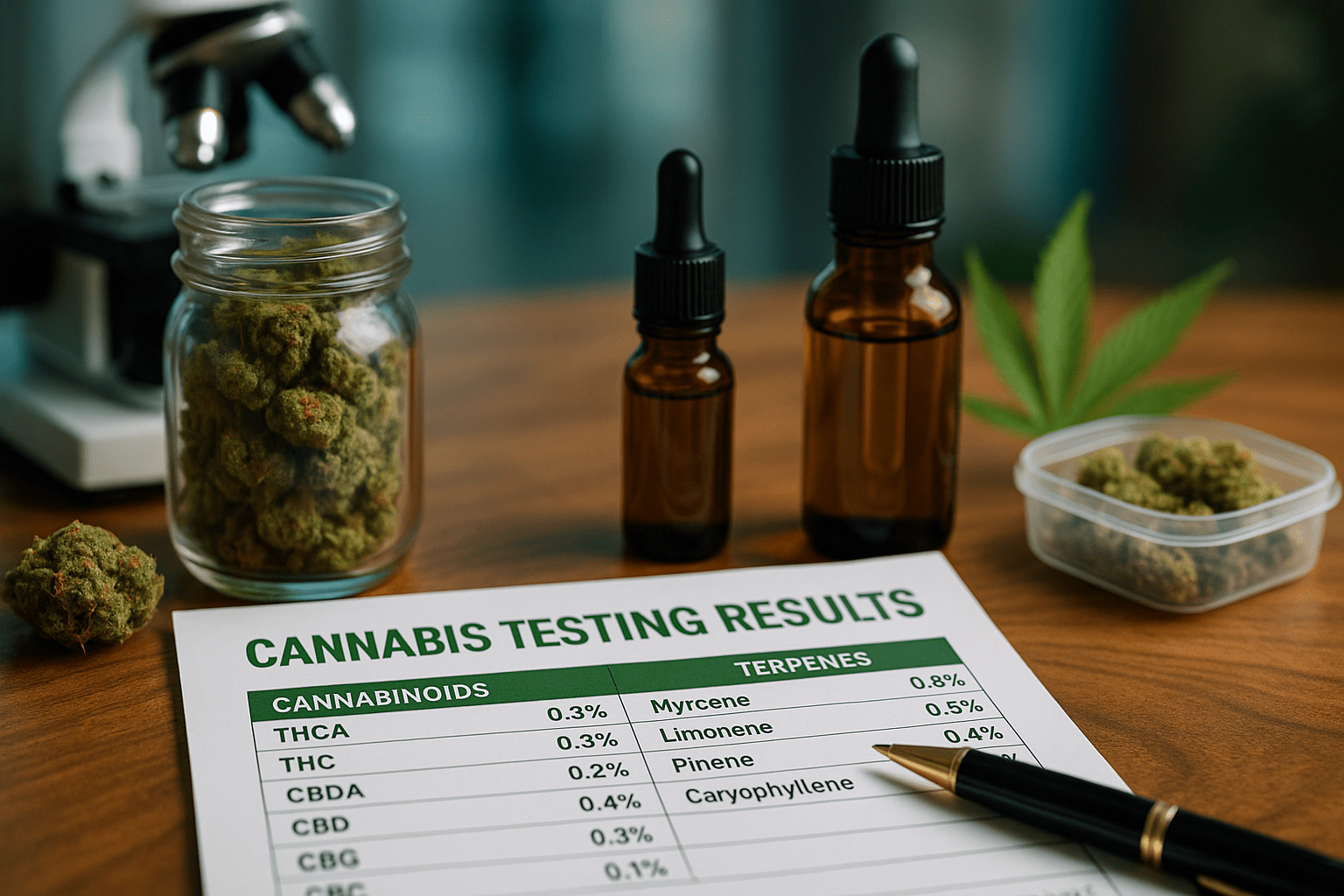
The first thing most people check is the cannabinoid profile. This tells you the percentage or milligrams per gram of the main compounds in the plant. You’re probably familiar with THC and CBD, but there are a handful of others worth noting since each plays a role in how the cannabis affects you.
THC
THC is the compound most linked to the classic cannabis “high.” If the percentage is higher, the effects might feel stronger. Most flower strains fall somewhere between 15% and 25%, though you’ll find strains with numbers a bit above that. But remember: higher doesn’t always mean better. If you’re new to a strain with high THC, it’s smart to start slow.
CBD
CBD offers a calmer vibe without the heavy high. It’s great for relaxing without feeling overwhelmed. Strains or products with a balance of THC and CBD often feel smoother and more grounded. Plus, CBD can help soften the intensity of high THC strains.
Minor Cannabinoids
You might spot CBG, CBC, CBN, or THCV in smaller amounts. Each adds its own flavor to the effects. For example, CBN is often associated with sleep support, CBG can bring gentle focus, and THCV might give a bright, energetic boost. When you start noticing these smaller numbers, you’ll pick up on patterns in your own experiences.
Terpenes: Why They Matter
Terpenes are the natural aromas in cannabis—they give it its smell and really influence how it feels overall. I used to overlook this part too, until I realized terpenes are often the key to predicting a strain’s effects. Two flowers with the same THC% can feel totally different because of their terpene mix.
Lab reports usually list the top three to five terpenes. Here are some common ones you’ll see:
Myrcene
Found often in earthy, musky strains. It’s usually linked to relaxation and a calm body sensation.
Limonene
Bright and citrusy, limonene is known for boosting mood—perfect for daytime or creative projects.
Pinene
Smells like pine and is often credited with clarity and a fresh, alert feeling.
Caryophyllene
Spicy and peppery, this terpene is grounding and sometimes helps with stress relief.
As you connect terpene profiles to your personal experiences, choosing strains that fit your mood or plans for the day becomes a lot easier. This is where cannabis really starts to feel personal.
Potency vs. The Overall Experience
One big misconception is that potency equals quality. That’s not really true. Potency is just one part of the picture. You might find a 17% strain that feels smooth and amazing, then try a 29% one that feels harsh or unbalanced. Why? Because the overall experience comes from the entire chemical profile, not just one number. Lab tests help you see all of that clearly.
Contaminant Testing: Protecting Your Health
This part of the report is about safety. Every regulated state requires tests for contaminants like pesticides, heavy metals, microbes, residual solvents, and sometimes water activity. It may seem less exciting than cannabinoids or terpenes, but knowing what clean results look like is crucial.
Pesticides
Good lab results usually show “ND,” meaning none detected. If pesticides are above legal limits, the product shouldn’t even make it to shelves. This section gives peace of mind, especially if you use cannabis regularly.
Microbials
This covers things like mold, yeast, E. coli, and other bacteria. Most reports have a straightforward pass or fail. Clean products should always pass.
Heavy Metals
These can come from the soil or old equipment. Clean results show no detectable lead, arsenic, mercury, or cadmium. Well-maintained grows almost always pass this test.
Residual Solvents
This matters mostly for concentrates. Any solvents used during processing need to be fully removed before sale. Lab reports list each solvent and its concentration in parts per million. You want these numbers far below legal limits or, even better, none detected.
Moisture and Water Activity
Some reports also include water activity, which measures how much water is available for mold to grow. For flower, a safe range is usually around 0.50 to 0.65. Moisture also affects flavor and how smoothly the product burns. Flower that’s too dry can feel harsh, while overly moist flower may burn unevenly. These numbers help set your expectations.
Understanding Units: Percentages vs. Milligrams
Lab results might show percentages or milligrams per gram. Both mean the same thing but just look different. Percentages tell you what portion of the flower is made up by a compound, while milligrams per gram give you an exact amount. The key is consistency. Once you know what the labs in your area use, comparing numbers gets much easier.
Using Lab Results When You Shop
So now that you know what each part means, how do you actually use it? When I’m at a dispensary, I usually check three things first: the terpene profile, the main cannabinoids, and the testing date. Freshness really counts. Something tested a year ago might not feel as vibrant as a recently tested product.
I also use the results to make sure a strain matches what I’m after. Need focus? I look for pinene or limonene. Want to unwind? Myrcene or caryophyllene usually fit. Looking for balance? I’ll check for some CBD in the mix. Over time, you start trusting your gut more and guessing less.
What Sets Higher Quality Companies Apart
Some cannabis brands don’t just meet the basic testing rules—they go above and beyond. They might test for more terpenes, run checks more often, or share full lab reports openly. I really respect when a brand gives you the full picture instead of just cherry-picked numbers. It shows they’re proud of their product and care about your experience.
On the flip side, if a company hides or oversimplifies test results, that’s often a red flag. Good cannabis shouldn’t come with secrets.
Reading Lab Reports for Edibles and Vapes
Not all products display lab info the same way. Edibles usually show cannabinoids in milligrams per serving and per package. Clear dosing is crucial here. For example, if a gummy claims 10 mg of THC, the lab report should confirm that. With edibles, consistency is even more important than with flower.
Vape cartridges list cannabinoids in percentages, similar to flower, but they’ll also include residual solvent tests and sometimes terpene content if natural terpenes are added. Make sure the numbers match what’s on the packaging. A reliable vape company will always have lab results that line up.
Red Flags to Watch Out For
Some warning signs include missing terpene info or vague lab results. If a company only shows THC and nothing else, that’s not giving you the whole story. You want to see a full profile.
Also, be cautious of outdated tests. A report from a couple of years ago doesn’t reflect the quality of the current batch. Fresh, clear reports are where trust builds.
Bringing It All Together
Once you get the hang of reading cannabis lab reports, you shop differently. You stop blindly chasing the highest THC number and start picking products that truly fit your body and mood. You gain confidence. You understand what you’re consuming. And often, your sessions become more intentional and enjoyable. From my experience, knowing more definitely makes a difference.
Next time you’re in a dispensary, take a moment to look over the cannabinoid profile and check the top terpenes. Make sure the product passed contaminant testing. When you see the full report, you’re getting a glimpse of the plant’s true character—that’s where the magic really lives.
As you try more products, keep an eye out for patterns. Notice which profiles help you relax or boost your energy. Pay attention to flavors you like. Use lab reports as a guide, not a strict rulebook. They give you insight into what you’re consuming, and in the world of cannabis, that kind of understanding goes a long way.