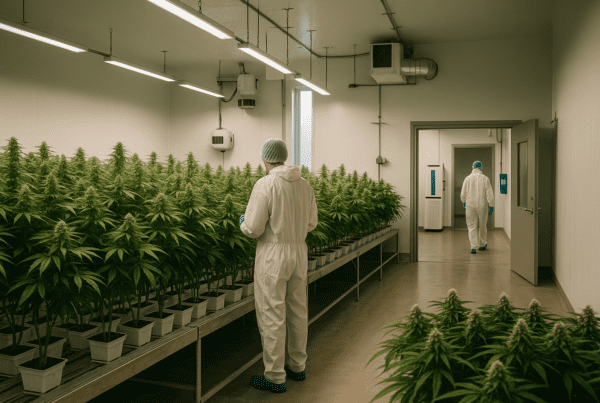

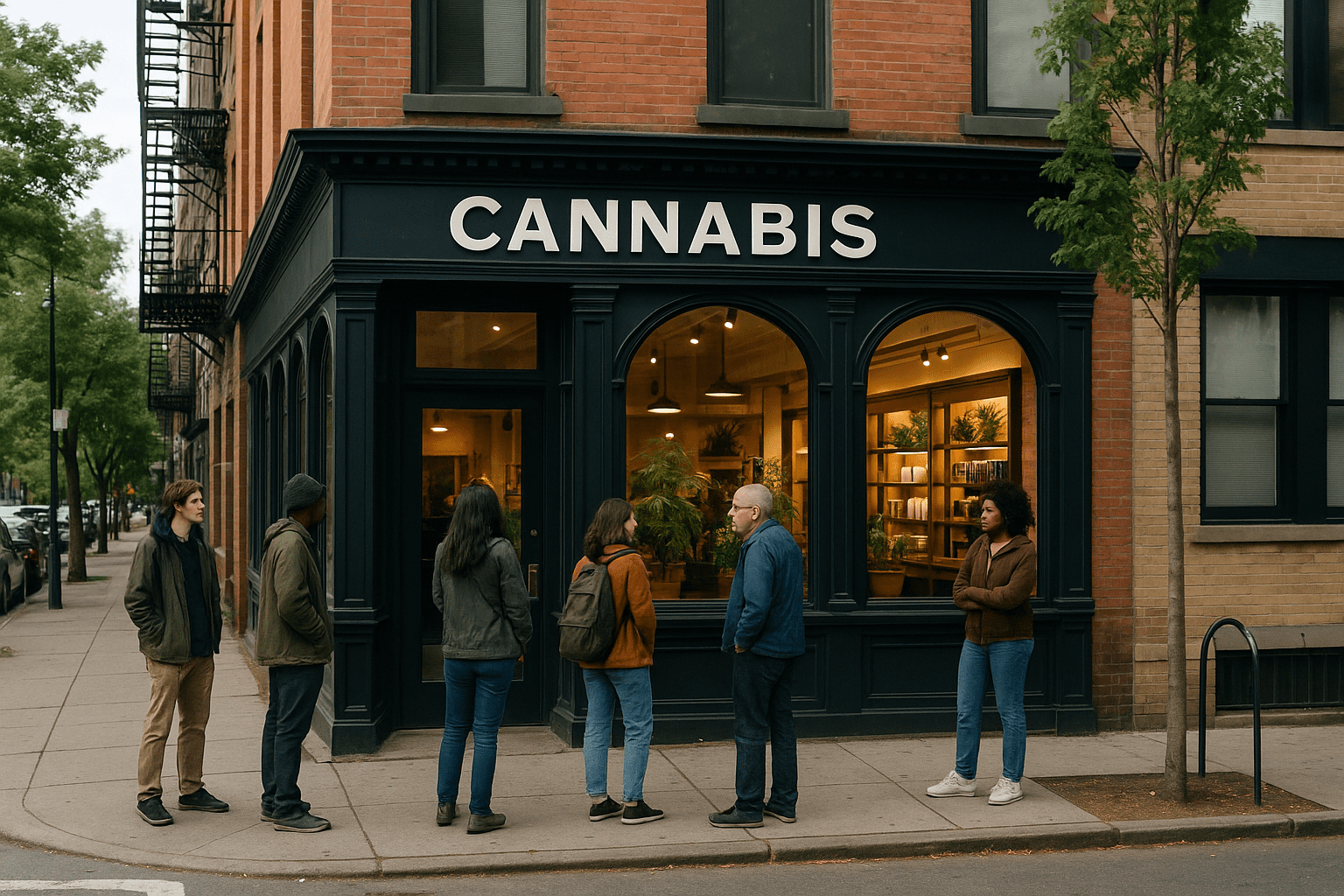
The story behind cannabis licensing is more than just a bureaucratic hurdle. Across states, the rhythm of market opening is uneven, slowed by licensing delays that quietly shape participation and access. Businesses wait, communities anticipate, and consumers adapt as the clock ticks, revealing a cascade of effects that extend beyond initial expectations.
Slow Process, Sharp Impacts
When licenses take months or even years to be granted, the consequences ripple through the cannabis ecosystem. Operators poised to launch face drawn-out uncertainty, which can strain capital and deflate investor enthusiasm. Some entrepreneurs opt out entirely, deterred by regulatory fog and the expense of waiting. The financial pressure isn’t just a business issue; it reshapes who can realistically enter the market. Deep-pocketed firms often weather these delays better, while smaller operators may lose ground or vanish from the queue.
Communities hoping for the economic windfall that cannabis enterprises promise find themselves waiting longer than anticipated. Jobs tied to cannabis cultivation, retail, and ancillary services don’t materialize on schedule. Local governments counting on cannabis tax dollars face budget gaps that influence broader municipal planning and services. This dynamic can slow economic reshaping in neighborhoods that had pinned hopes on the emerging industry.
One nuance is how these delays often exacerbate inequities. Social equity programs designed to open opportunities for marginalized groups can stall out when licenses aren’t issued promptly. The intended beneficiaries may confront compounded barriers in a system that requires patience and capital to navigate.
Market Concentration and Consumer Experience
As licensing slows, established businesses tend to consolidate a larger share of the market. This consolidation dampens competition and often leads to less variety on dispensary shelves. The effect can be especially pronounced in newly regulated states or smaller markets where the pool of licensed producers is limited from the start.
A narrower product range affects consumers who might otherwise benefit from a broad spectrum of strains and formats. Select variety, potency, and price points can become scarce as fewer licenses mean fewer cultivators and brands. In some places, this scarcity signals an unintended tightening of the consumer experience, which stands in contrast to the expansive choice often portrayed in cannabis discourse.
At the same time, smaller market options can push consumers toward illicit sources if legal stores seem limited in selection or accessibility. That ongoing tension challenges the very purpose of formal regulation, which aims not only to control quality but also to provide a competitive, transparent marketplace.
The Complexity Behind Licensing Delays
At its core, the licensing puzzle involves a mix of bureaucratic, political, and social forces. Regulations continue evolving in many jurisdictions, and local governments particularly wrestle with zoning, social equity requirements, and community concerns. Some municipalities impose moratoriums or pause issuing new permits, reflecting a cautious stance rather than outright opposition.
These decisions make the cannabis licensing timeline uneven not just from state to state but within regions and neighborhoods. A city eager to welcome cannabis businesses may contrast sharply with another area that is slower or more restrictive. What emerges is a patchwork of policy outcomes and market realities that complicate broad assumptions about legalization progress.
Additionally, social equity programs, which aim to rectify past harms of cannabis prohibition, often add layers of application scrutiny and community involvement. While necessary, these layers lengthen the timeline and introduce new challenges for applicants and regulators alike.
State Agencies and Systemic Challenges
State regulatory agencies face their own challenges. Licensing staff often grapple with volume, thoroughness in vetting applicants, and the need to safeguard public interests. Programs newer to the regulatory scene are still refining their approaches, which can add to the approval timeline, especially when application procedures and evaluation criteria are still settling.
Meanwhile, states increasingly apply technological solutions such as online portals and digitized status updates to streamline licensing processes. Efforts to boost transparency and regulatory staffing are steps toward reducing delays. Yet implementing these improvements takes time, and regulators walk a fine line balancing speed with the accuracy necessary to ensure compliance and public safety.
But technology alone is not a cure-all. Staff training, budget limitations, and political oversight can either facilitate or hinder progress. Some state programs have seen slowdowns simply because of turnover or shifting policy goals, underscoring the fragility of regulatory administration amid broader political winds.
The Real-World Touch on Communities and Consumers
Behind license waits lie tangible effects felt by everyday people. Areas without sufficient licensed businesses often face lingering unregulated markets. These informal sales can challenge public safety goals and reduce tax revenue streams that jurisdictions rely on. It’s a persistent tension between regulation’s ambition and ground-level realities.
Moreover, residents may grow skeptical when promised job growth and economic benefits lag. This skepticism can erode support for cannabis initiatives, shaping future policy debates and community relations. Transparency about licensing timelines and challenges can help, but patient adjustment to legal cannabis markets is required.
In cities where cannabis entrepreneurship was seen as part of an economic revival, delays sometimes clash with success narratives and create frustration among those who expected quicker change. That frustration also threads into broader conversations on equity and access, reminding policymakers and advocates that the timeline is as important as the outcome.
In many ways, licensing delays expose the complex interplay of economic aspirations, political will, and social outcomes that underlie cannabis legalization. They remind observers that the transformation from policy to practice is far from linear and depends on the subtle rhythms of governance and community acceptance.
For those interested in ongoing developments, the National Conference of State Legislatures provides clear maps of how state policies move and shift. Coverage at Cannabis Business Times shares insights straight from the industry, revealing how companies manage these regulatory hurdles. The Colorado Marijuana Enforcement Division offers an example of a state grappling with licensing while exploring new approaches to improve efficiency.
Ultimately, these business and community stories are a reminder that cannabis licensing delays do more than slow permits; they influence the contours of local markets, consumer choice, and the very fabric of legalization’s unfolding.
Sources and Helpful Links
- National Conference of State Legislatures – Overview of state cannabis legalization and regulatory approaches
- Cannabis Business Times – Industry news and analysis including licensing challenges
- Colorado Marijuana Enforcement Division – Example of state regulatory agency managing cannabis licensing