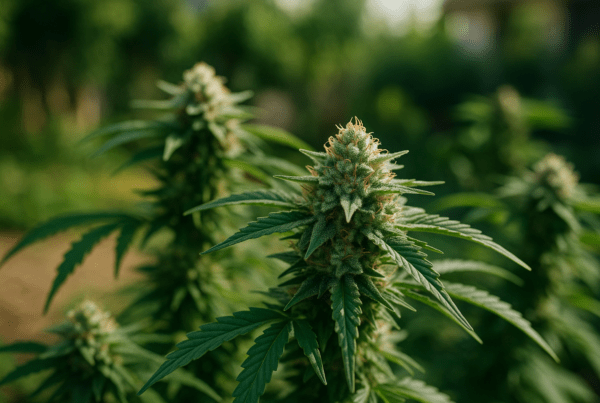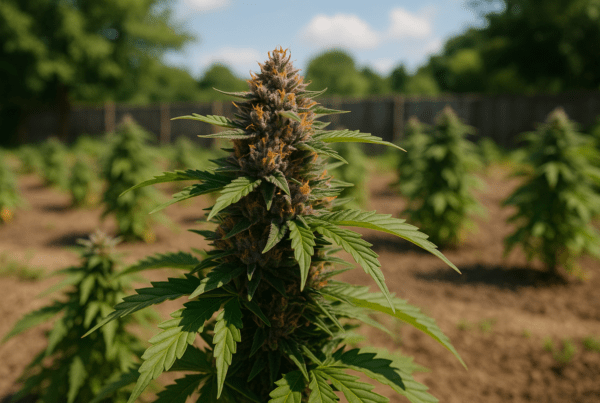


For many medical patients, cannabis has long been a complex territory to navigate. The plant’s multiple chemical compounds offer a range of therapeutic possibilities, but the presence of THC-the cannabinoid primarily responsible for a euphoric high-has complicated its use. Increasingly, however, the landscape is shifting as strains rich in cannabidiol, or CBD, are drawing the attention of those seeking relief without the mind-altering effects. This growing interest in CBD-heavy cannabis marks a notable evolution in how patients are approaching treatment choices, balancing efficacy with tolerance and personal comfort.
Patient Perspectives: Choosing Comfort Over Intensity
One clear observation from patient communities is that many individuals prioritize symptom relief without the psychoactive experience associated with higher THC levels. For conditions like chronic pain, anxiety, epilepsy, and inflammation, CBD offers promising therapeutic potential that feels more approachable to a wider audience. Unlike THC, which affects brain receptors linked to mood and perception, CBD interacts with the body’s endocannabinoid system in ways that appear more subtle but influential.
This means patients who might have been wary of traditional cannabis because of dizziness, cognitive fuzziness, or paranoia sometimes find CBD-heavy strains easier to integrate into daily life. The absence of a strong high preserves their ability to remain functional, especially for those juggling work, caregiving, or other responsibilities. It also reduces some of the stigma or social barriers around cannabis use, making it a more attractive option in a medical context.
Medical Conditions and Reports from the Field
Clinical interest in CBD has surged over the past decade, highlighted by the FDA’s approval of Epidiolex, a purified form of CBD used for specific epileptic seizures. This regulatory milestone brought CBD into mainstream medicine’s view, opening the door for broader patient demand. Yet even beyond epilepsy, anecdotal reports and smaller studies reveal promising impacts for diverse conditions.
Neuropathic pain patients often recount reduced discomfort and improved sleep after using high-CBD products, while those facing anxiety symptoms note a calmer mental state without sedation. For inflammatory diseases, early research suggests CBD’s anti-inflammatory properties may modulate immune responses without the side effects linked to conventional treatments. These patient experiences help shape treatment choices by showcasing alternatives outside of opioids, benzodiazepines, or anti-inflammatory pharmaceuticals.
Such accounts come with the usual caveats-clinical evidence is evolving, dosing remains highly individualized, and interactions with other medications require caution. Nevertheless, the growing volume of patient-led observation has fostered conversations that empower healthcare providers to consider CBD-centric regimens where appropriate.
Strain Genetics and Market Shifts
The cannabis market itself has adapted to these medical preferences. Plant breeders and growers have introduced an array of strains specifically selected or engineered for higher CBD-to-THC ratios. This genetic diversification means patients can access products tailored more carefully to their therapeutic goals.
Where once the market leaned heavily toward high-THC cultivars targeting recreational users, today’s shelves often display a spectrum including CBD-dominant offerings. Oils, tinctures, capsules, and flower products featuring minimal THC levels have become staples for medical dispensaries. This evolution in availability reflects the demand patterns emerging from patient communities and a maturing industry responding to nuanced user needs.
A Nuanced Future of Cannabis Therapeutics
The shift toward CBD-heavy strains underscores how patients are reshaping cannabis’s role in medicine from something primarily psychoactive and recreational to a nuanced therapeutic option. It reflects a desire for balance: harnessing benefits while minimizing effects seen as barriers.
This growing trend does not suggest THC has lost its place in medicine; quite the opposite. THC’s pain-relieving and appetite-stimulating qualities keep it relevant, especially for conditions where its effects meet patient needs. Instead, the rise of CBD-rich products expands the range of choices, enabling more personalized care.
Patients continue to learn about cannabis’s complexities through trial, cultural shifts, and the increasing body of research. Their experiences ripple outward, influencing healthcare providers, policy decisions, and market offerings. The more these patient voices get heard, the more cannabis treatments can evolve in ways that are practical, effective, and aligned with lived realities.
Understanding this ongoing transformation requires stepping back from simplified narratives about cannabis as either a recreational drug or a cure-all. Instead, it calls for appreciating how compounds like CBD are changing the conversations around patient treatment choices and how the plant’s diverse chemistry is unfolding in real-world medical care.
For those navigating treatment, the availability of CBD-heavy strains provides an important option. It opens the door for patients who seek cannabis’s therapeutic attributes while hoping to avoid discomfort or side effects linked to high-THC experiences. This patient-driven influence highlights how cannabis medicine continues to grow in sophistication, shaped by those who use it.
As more clinical data accumulates and the market responds, the balance between cannabinoids may become an essential axis for treatment planning. Meanwhile, patients continue to chart their own paths, guided by lived experience, medical advice, and evolving understanding of what these compounds can offer. The story of CBD-heavy strains influencing patient choices is one facet of a broader, complex landscape where cannabis transcends simple labels and reveals itself as a plant with many medical possibilities.
For those interested in a deeper dive into the nuances of CBD and medical cannabis, sites like Project CBD provide accessible research updates. The FDA’s page on Epidiolex offers insight into official recognition of CBD’s medical uses. Additionally, Cannabis Patient Resource explores patient education around different cannabinoid profiles, supporting informed decision making in treatment choices.
Sources and Helpful Links
- Project CBD, a nonprofit dedicated to promoting and publicizing research into the medical uses of cannabidiol.
- FDA on Epidiolex Approval, outlining the first FDA-approved cannabis-based drug for epilepsy.
- Cannabis Patient Resource, a hub for patient education on cannabis therapeutics and cannabinoid profiles.