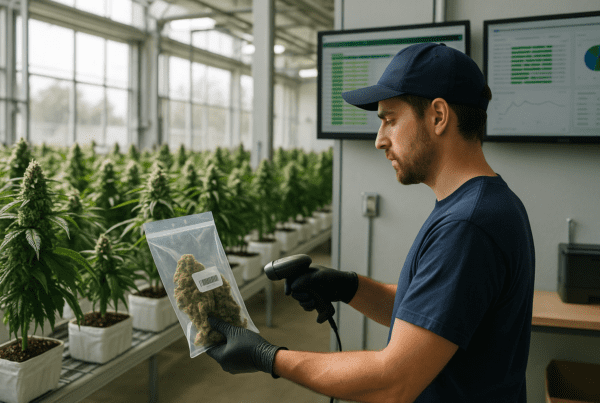

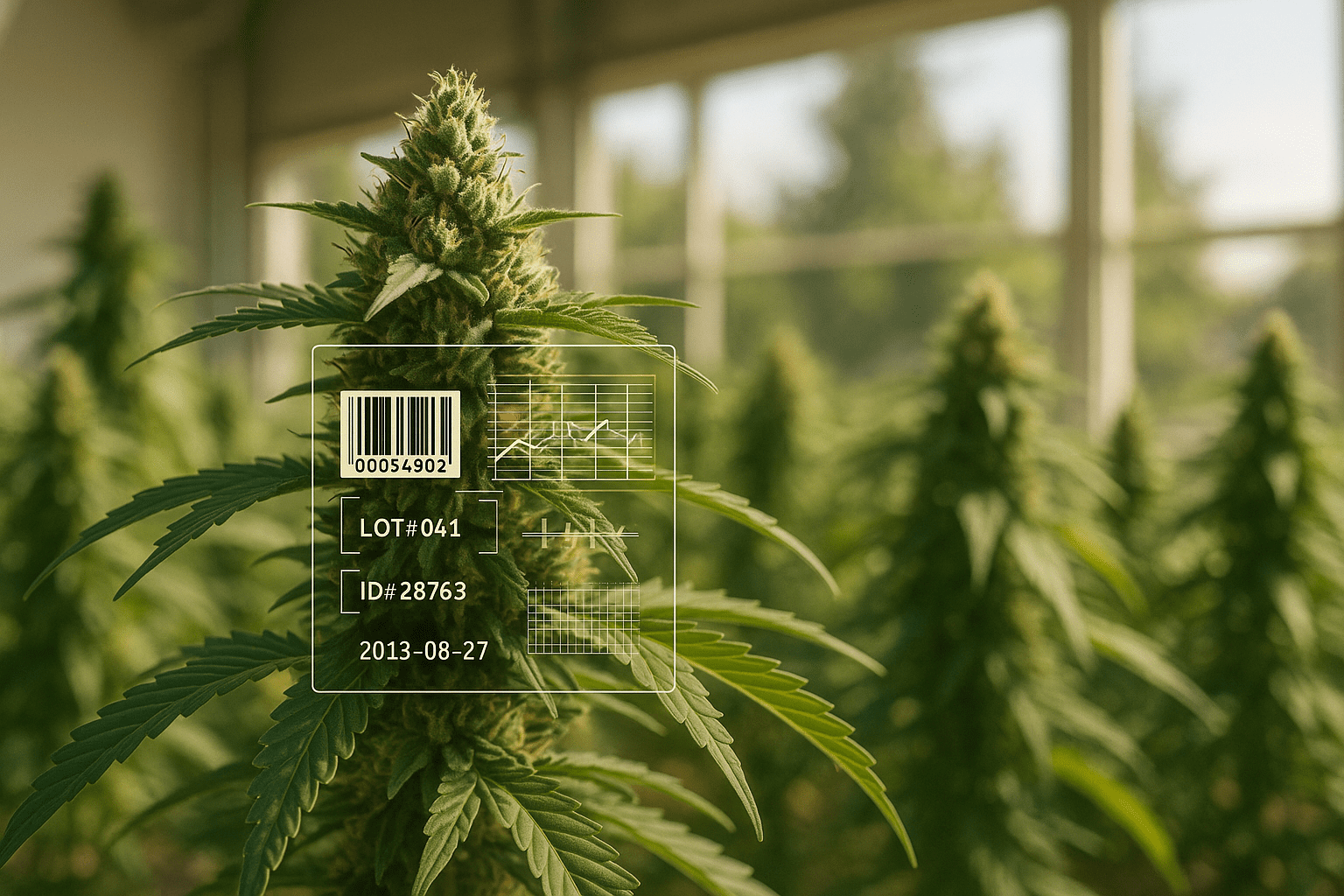
In the evolving landscape of cannabis markets, one quiet revolution is taking shape behind the scenes. It involves technology, data, and trust. As cannabis moves closer to mainstream acceptance and regulation, consumers are increasingly demanding more transparency about the products they purchase. They want to know where the plant came from, how it was grown, and what it contains. Companies and regulators, in turn, are turning to new traceability technologies to meet these expectations and shape consumer confidence.
Seeing Cannabis from Seed to Sale
For decades, cannabis products have often carried a level of uncertainty for consumers, partly due to an unstandardized, sometimes opaque supply chain. This has made it difficult to verify product authenticity, testing results, or origin. Traceability solutions aim to change that by creating a digital record for each batch of cannabis and its derivatives.
These technologies use a combination of barcodes, QR codes, RFID tags, and blockchain records to track every step in the supply chain. From the moment a seed goes into the soil to the sale at a dispensary, data is collected and linked. This allows producers, regulators, retailers, and consumers to verify a product’s history, test results, and compliance with legal standards.
For example, a consumer scanning a QR code on a package can access detailed lab results and cultivation data, directly from reliable databases instead of informal word of mouth or label claims. This extra layer of information transforms buying from a leap of faith to a more informed choice. And in such a fast-growing and scrutinized market, every increment of trust matters.
A Layered Response to Regulatory and Market Complexity
Cannabis markets vary widely across different jurisdictions, each with its own regulations and enforcement mechanisms. This complexity can undermine consumer confidence. Traceability technology helps cut through the noise by standardizing how data is captured and shared.
Some states and countries have mandated seed-to-sale tracking systems, requiring every licensed operator to use approved technology platforms. These systems often supply regulators with a near real-time overview of inventory and product movement, improving oversight and reducing illegal diversion. For the consumer, this means they can expect products that conform to safety and quality standards, since the regulatory framework is backed by transparent enforcement tools.
Commercial actors also benefit, as traceability builds brand credibility. Companies able to verify and communicate verified information about their products can differentiate themselves in a crowded market. Beyond compliance, it becomes a marketing advantage. Brands that lean into transparency may find their consumers forging stronger loyalty because doubts around safety, potency, and ingredient sourcing are less pressing.
Technology Meets Consumer Curiosity and Caution
Consumers hold varied views regarding cannabis safety and quality. Some are experimental and trusting, others cautious or skeptical, especially with concerns around pesticides, contaminants, or mislabeling. Traceability systems address these concerns by offering accessible, third-party-verified information. This can shift purchasing behavior from price- or appearance-driven decisions to data-informed choices.
Platforms that provide blockchain-based certificates of analysis or origin have become particularly interesting. Blockchain’s decentralized nature means consumers and regulators can be more certain the information hasn’t been altered or falsified. While blockchain is not a silver bullet-issues like data input accuracy remain-the technology reflects a broader move toward open, verifiable records.
These tools also create new forms of interaction between consumers and brands. With phone apps and online portals, customers can explore aspects such as batch-specific cannabinoid levels, terpene profiles, and even environmental conditions during cultivation. Such scrutiny used to be reserved for specialized growers or professionals. Now the average consumer can look behind the curtain and feel closer to the process that produced their product.
Limitations and the Road Ahead
Traceability technology is not without challenges. Implementing these systems requires investment, training, and sometimes significant changes in how businesses operate. Small-scale cultivators or informal market participants may struggle to comply, potentially widening gaps between legacy and emerging enterprises.
Accuracy also depends on consistent data entry and reliable testing labs. If errors enter the system early on, the traceability chain may be compromised. Moreover, privacy concerns arise from the volume and granularity of data collected, both for businesses and consumers. Balancing transparency with confidentiality is an ongoing conversation in the sector.
Yet, the steady improvements in technology and increasing regulatory mandates suggest traceability will only deepen its role in cannabis markets. Blockchain, AI-assisted monitoring, and IoT-enabled sensors are among innovations poised to tighten quality control and elevate consumer confidence further.
In the meantime, these systems offer a tangible bridge between the cannabis plant’s complex, nuanced growing conditions and the consumer’s experience of the final product. They invite buyers to become informed participants, rather than passive recipients, in the cannabis economy.
As with many industries moving from informal to structured markets, transparency and traceability tend to rise in tandem with trust. Emerging cannabis technologies shine a spotlight on product origins and journeys, helping to untangle a historically opaque supply chain. For consumers navigating choice and safety, that clarity feels increasingly valuable and refreshing.
For those watching cannabis markets grow, tracing a product’s path from seed to shelf is a glimpse into how regulation, technology, and consumer expectations are weaving together to shape a more confident marketplace.
It is a development worth observing closely, especially as new tools refine the balance between innovation, compliance, and trust in a market that remains deeply alive with complexity and change.
Learn more about cannabis traceability and market trends from authoritative sources such as the National Conference of State Legislatures and the Leafly cannabis education pages.
For deeper insights on blockchain use and lab testing standards in cannabis, consider the resources at the PubMed Central cannabis research archives and the MJINews coverage of cannabis traceability.
Sources and Helpful Links
- National Conference of State Legislatures, comprehensive state-level cannabis regulatory overview
- Leafly traceability article, explaining traceability’s role in cannabis markets
- PubMed Central cannabis research, peer-reviewed studies on cannabis testing and technology
- MJINews on cannabis traceability, industry news and technology analysis