
In the evolving landscape of cannabis cultivation, one persistent source of frustration remains how breeders can reliably create strains that perform as promised. Consumers often encounter variations in potency, flavor, and appearance even when buying the same named strain. This unpredictability has driven a growing reliance on genetic data, offering a clearer path to consistency.
Old Traditions Meet Modern Science
Breeding cannabis historically has been a mix of art and experience. Breeders would select parent plants based on observable qualities, hoping the next generation inherited those traits. It was a process informed by careful watching, intuition, and patience, but lacked precise control.
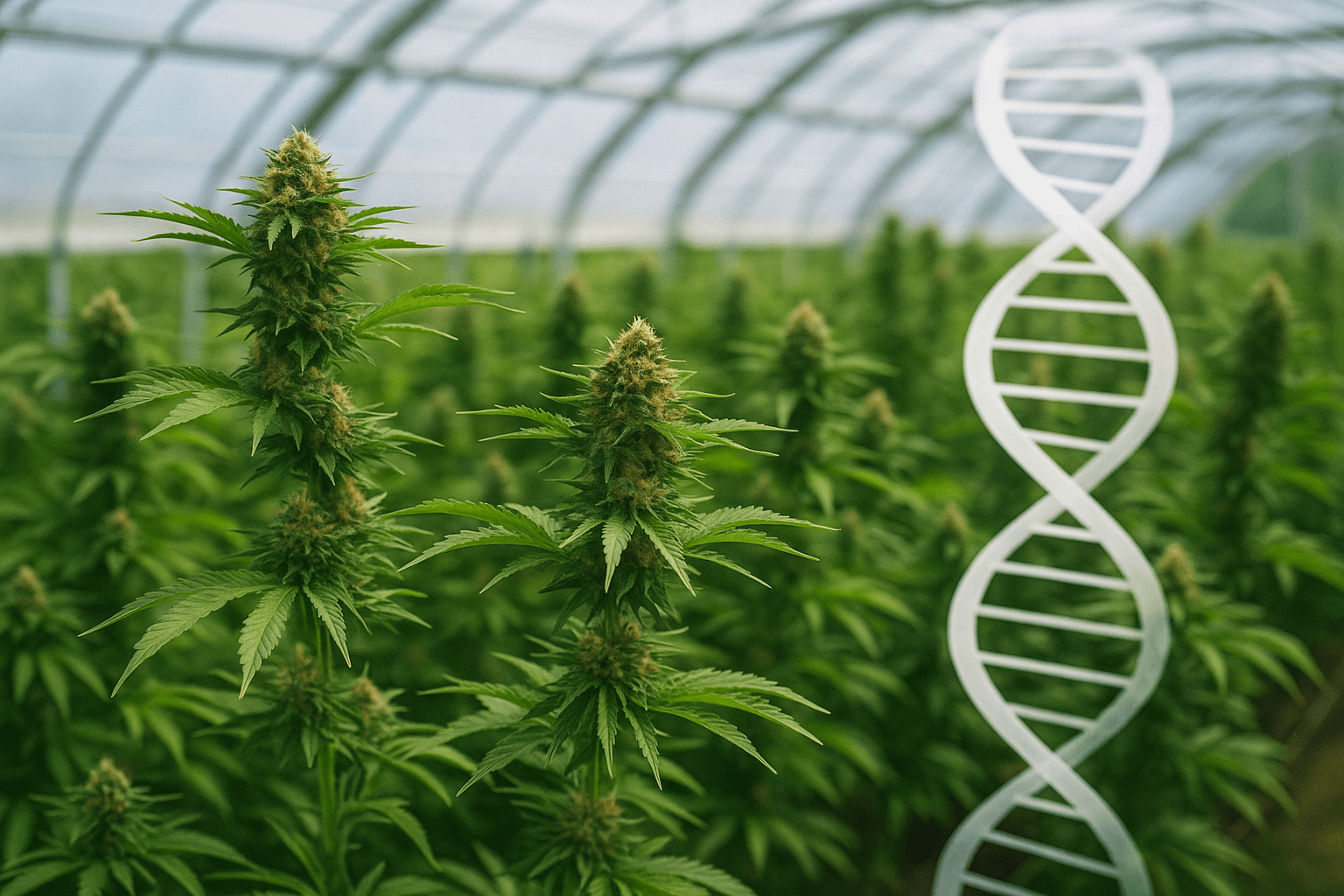
Today, that old way of operating is integrating with advances in genetic sequencing. Rather than relying solely on visible features such as aroma or flower shape, breeders can peer inside the plant’s DNA. The genetic code holds clues about cannabinoids, terpenes, and resilience to stress factors, transforming breeding from speculation into measurable science. This shift resembles trends seen in other agricultural fields where DNA guides consistent crop development.
The Puzzle of Cannabis Genetics
Cannabis presents a complicated genetic picture. Its genome is shaped by the plant’s migration across regions and selective breeding efforts over decades, leading to diverse families and hybrids. Strain names often cover a wide genetic diversity that can result in plants that differ significantly despite sharing a label.
This makes it difficult for users to anticipate consistent effects or flavors. Differences can come from subtle genetic variance or environmental influences, making the same strain feel unpredictable. Genetic databases are helping here by collecting information that links certain DNA markers with cannabinoid profiles or disease resistance. These catalogs create reference points breeders and growers can consult during their selection process, slowly building a shared vocabulary grounded in genetics.
From Guesswork to Informed Choices
Access to genetic information enables breeders to make decisions beyond what the eye can see. DNA analysis can confirm parentage and uncover genetic variations within a crop. If certain genes are tied to less desirable traits like disease vulnerability, those lines may be excluded early to avoid problems.
This approach, sometimes called marker-assisted selection, speeds progress by focusing on the plants most likely to deliver stable outcomes. Whole genome sequencing adds even more depth by pinpointing genes responsible for cannabinoid biosynthesis or terpene production. With these data, breeders work more strategically instead of relying on trial and error, refining strains for specific purposes.
Beyond DNA: The Role of Growing Conditions
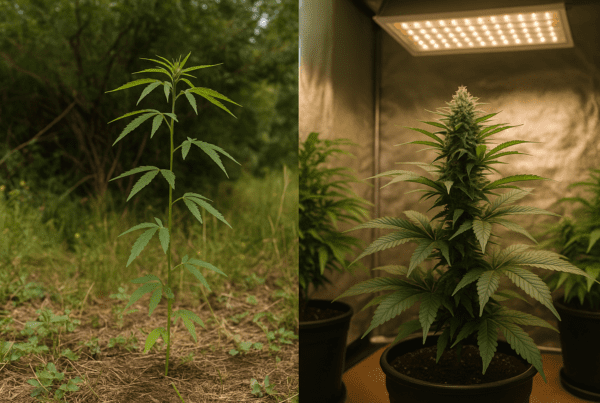
Despite the powerful insights genetics provide, breeding is not a guarantee of absolute uniformity. Two genetically identical plants can express subtle differences depending on how they are cared for. Factors such as lighting, soil nutrients, watering practices, and ambient temperature all influence growth and cannabinoid expression.
This means genetics lays the groundwork but cultivation practices remain essential to consistency. Large commercial producers often incorporate genetic profiling into quality control frameworks, bolstering trust in their products. Smaller-scale growers may still rely heavily on clonal propagation to maintain uniformity rather than leveraging genetic testing, often limited by budget or access.
The Future of Strain Identity
One side effect of genetic scrutiny is a reevaluation of what strain names represent. Terms like “Sour Diesel” or “Girl Scout Cookies” have traditionally described broad phenotype categories rather than precise genetics. DNA testing reveals this nomenclature often encompasses wide genetic variety, which can mislead buyers expecting uniformity.
Increasingly, growers and consumers are encouraged to look beyond brand names, seeking verified genetic profiles and lab-tested characteristics. In time, this may lead to an industry standard where genetic authentication helps define strains, shifting marketing toward science-backed descriptions.
The process toward dependable strains is ongoing and layered. Genetic data offers promising tools that support breeders in creating stability, but it intersects with the enduring nuances of cultivation and growing environment. As the cannabis industry matures, combining traditional experience with genetic insight holds the potential for products that deliver what they promise with greater confidence.
Genetic advancements also foster a more transparent dialogue around cannabis diversity. Instead of struggling with unpredictable variations under familiar names, both breeders and consumers can appreciate the complexity and particularity of each cultivar through its genetic makeup.
In a market where trust and consistency matter, genetic data is becoming a cornerstone technology. It will not erase all variability, but it helps frame expectations more realistically. Cannabis breeders who harness these tools integrate science with craft, creating a future where the gap between named strain and actual experience narrows.
Consequently, the journey is not about replacing the artistry of breeding but enhancing it with information that unlocks new levels of understanding. Genetic data provides the map, while hands-on cultivation charts the route. Together, they shape a more reliable and transparent cannabis landscape.
As breeders continue to collect and share genetic knowledge, the industry may approach standards that better define strains, providing consumers with clearer choices while preserving the plant’s rich genetic heritage.
More than just a tool for breeders, genetic data signals a shift toward informed and consistent cannabis products that reflect both biology and craft, acknowledging complexities without settling for vagueness.
The relationship between DNA and phenotype will stay complex, but with ongoing research and practical application, the broad goal remains steady: honoring cannabis’s diversity while delivering predictable, quality experiences that consumers can depend on.
Through this blend of tradition, science, and observation, the cannabis community moves toward a future where genetic insight plays a foundational role in defining and refining the plants that so many now cultivate and enjoy.
What we are witnessing is not the end of the breeder’s art but its evolution, aided by new tools that open possibilities for more stable, trustworthy strains that meet the expectations of modern growers and consumers.
As the technology continues to evolve and become more accessible, the once mysterious complexity of cannabis genetics is becoming increasingly transparent. This transparency benefits everyone involved, from cultivators striving for reliability to consumers seeking consistency in their experiences.
Even with these advances, it is crucial to remember that genetics reveals potentials rather than guarantees outcomes. The dance between genetic code and cultivation environment remains the defining story behind each harvest.
Still, for many breeders, genetic data is not a luxury but a necessary compass in navigating cannabis’s intricate diversity toward meaningful stability.
That ongoing effort reflects a mature cannabis culture ready to embrace both the plant’s rich past and an informed future shaped by new insights.
In the end, cannabis breeding stands at a crossroads where observation meets data, heritage meets innovation, and the promise of stable strains steadily unfolds in fields both large and small.
It is an unfolding story of discovery, patience, and progress, where genetic data is helping create a bridge between tradition and precision that may ultimately benefit all who engage with cannabis cultivation.
Above all, this movement toward integrating genetics shows how breeding can balance respect for natural complexity with a desire for reliability, aiming to serve the evolving needs of a diverse and growing cannabis community.
As cannabis genetics continues to be mapped and understood, it provides a foundation that could one day support a universally recognized taxonomy for strains, clarifying what growers and consumers can expect regardless of location or source.
Until that day comes, the fusion of old breeding wisdom with new genetic tools remains the best available path to consistent and high-quality cannabis.
Such efforts demand time, careful observation, and sharing of knowledge, underscoring that while genetics adds clarity, it also enriches the story of cannabis cultivation as a dynamic, living practice.
In this evolving context, breeders who embrace genetic data play a key role in raising the bar for what counts as a stable, reliable strain, shaping the future of cannabis one seed at a time.
That evolving story of genetics and cultivation invites everyone involved to remain curious, adaptable, and patient while celebrating the complexity and beauty of this plant’s genetic mosaic.
The message is clear: cannabis genetics matters more than ever, but it is part of a larger picture that includes environment, experience, and community.
Recognizing this interconnectedness helps set realistic expectations and fosters a more transparent, honest dialogue around what cannabis strains can and cannot promise.
Ultimately, the integration of genetic data into breeding signals a mature phase in cannabis cultivation, one that respects history while leveraging science to move the industry forward with greater clarity.
Such progress benefits those who grow, consume, and study cannabis, enriching the plant’s story with data-driven insights without losing sight of the human touch at its heart.
In time, this balance may become the norm, defining the next chapter in cannabis breeding where tradition and technology walk hand in hand.
And in this continuous journey, genetic data will remain a vital part of the dialogue that shapes how cannabis is understood, grown, and valued in the years ahead.
For now, breeders are writing new stories with each genome sequenced and every phenotype observed, turning complexity into clarity, and unpredictability into trusted knowledge.