
Social consumption of cannabis has been one of the more nuanced and challenging aspects for regulators and communities to handle as legalization expands across the United States and beyond. While private use and home cultivation have become better understood and integrated into many jurisdictions, inviting cannabis into public or communal spaces introduces a tangle of concerns about safety, nuisance, and equity. At the same time, localized efforts to accommodate cannabis social consumption reflect a patchwork of cultural attitudes, economic ambitions, and policy experiments.
Where Social Consumption Meets Public Policy
The evolving regulation of cannabis social consumption is not just about permitting people to gather and consume cannabis in a shared space. It touches on public health, zoning laws, business licensing, and even the ongoing question of how cannabis fits into the social fabric. Unlike alcohol, which has decades of established norms for bars and lounges, cannabis is still finding its footing, and lawmakers frequently navigate uncharted territory.
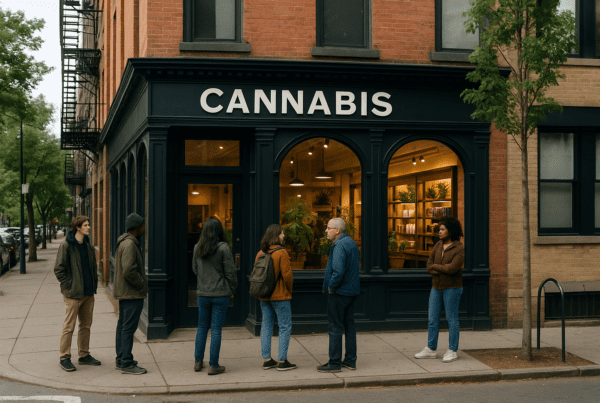
Many regulators hesitate to allow social consumption venues, fearing increased public impairment or disorderly conduct. This hesitation is visible in how few states have clear frameworks for these spaces. Yet, pockets of cities are moving forward. Places like Denver have licensed social consumption establishments, but these venues must meet exacting requirements and often face local pushback or conditions that make operation challenging.
Colorado’s regulatory approach, as outlined by their Cannabis Enforcement Division, tries to balance public safety with business opportunity. Permits are strictly controlled, consumption areas are confined to private venues, and public intoxication laws remain firmly enforced. The tension between expanding access and limiting broader public exposure appears in many jurisdictions’ approaches.
Community Reactions and Cultural Shifts
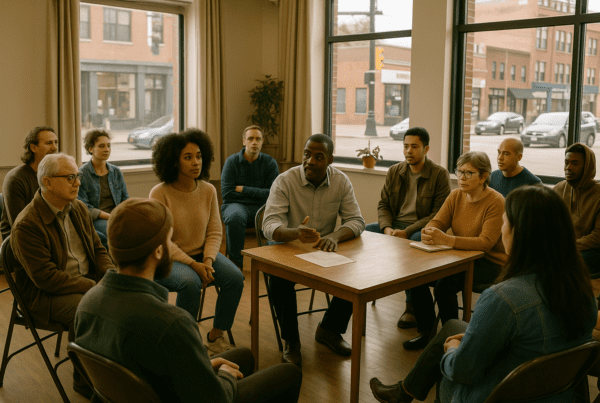
The cultural context matters deeply in how social consumption is received. Urban centers with established recreational markets tend to be more open to designated consumption spots, yet even there, community boards and residents can express concerns around noise, traffic, and youth exposure. Meanwhile, smaller towns or conservative areas often reject social consumption outright or impose limiting conditions that render such businesses unfeasible.
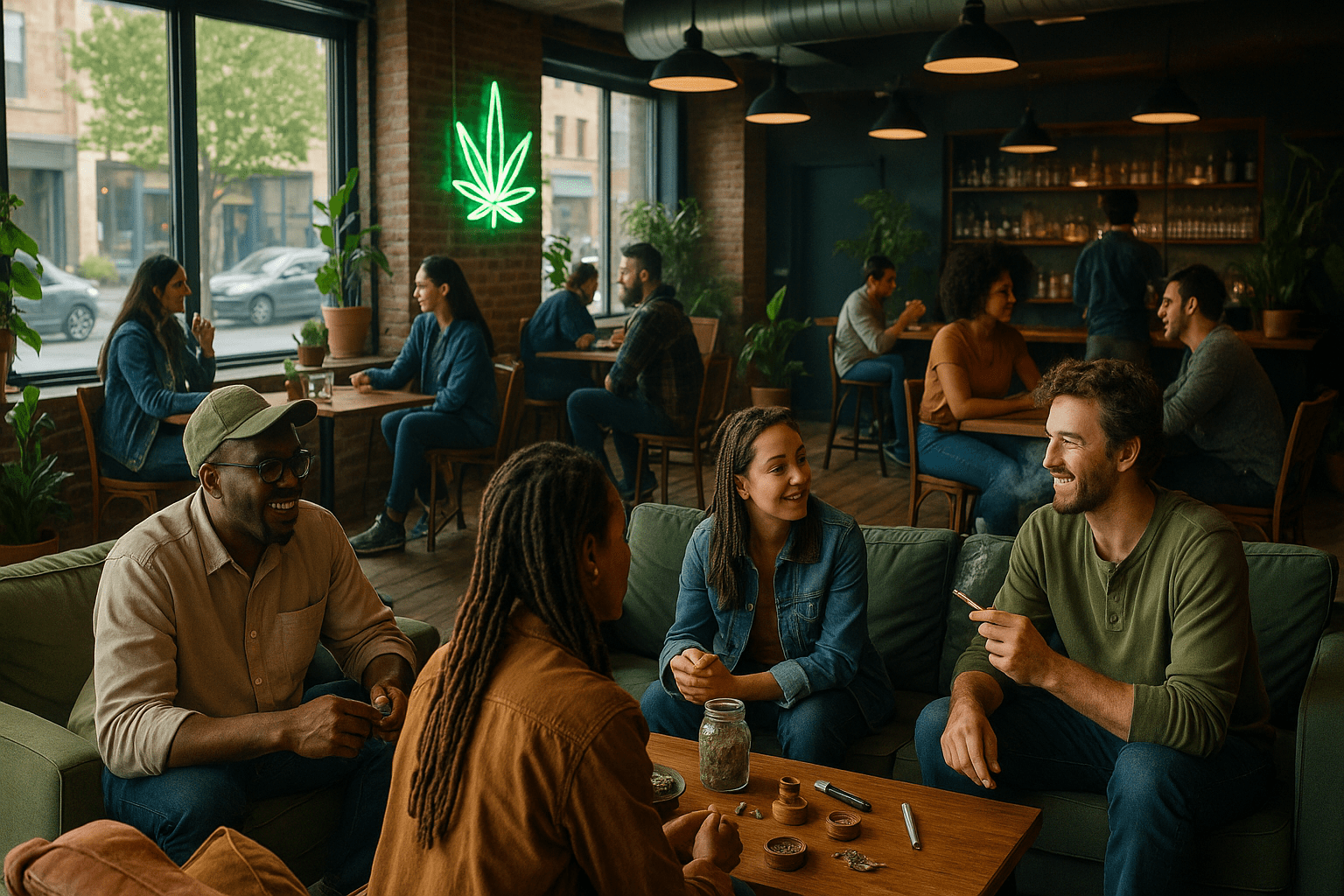
Interestingly, some communities see social consumption venues not only as risks but as economic opportunities. These establishments can serve as gathering spaces that normalize cannabis use, provide a controlled environment safer than private homes, and open pathways for tourism. States with vibrant cannabis economies recognize that social lounges might help integrate cannabis into nightlife and hospitality sectors, yet this integration is uneven across regions.
Beyond economic and regulatory considerations, social consumption venues also engage with conversations about equity. Some cities are proactively including social equity applicants in licensing processes to address historic harms from cannabis prohibition. This new layer of policy acknowledges that social consumption spaces carry potential as both community hubs and engines for restorative business development.
The Variety of Legal Models Across Jurisdictions
The legal treatment of cannabis social consumption ranges widely. Some cities ban consumption outside private homes; others have developed detailed statutes for cannabis cafes or lounges where users can consume onsite. California, for instance, has been relatively cautious but is inching forward with localized pilot programs and guidance on social use venues. According to the California Bureau of Cannabis Control, implementing social consumption licensing involves a complex coordination between public health officials, law enforcement, and zoning authorities.
Meanwhile, in places such as Canada, cannabis lounges and social clubs have been part of the landscape for some time, though their regulation is primarily provincial and often mirrors alcohol licensing frameworks. Their experiences illustrate both successes and ongoing challenges with integrating cannabis consumption alongside existing public safety infrastructures.
Looking Forward, Despite Persistent Questions
Social consumption of cannabis remains a fluid space, changing as regulators respond to real-world use and community demand. Ongoing data collection about public health impacts, traffic incidents, and nuisance complaints will likely shape policy revision for years. For now, much is experimental and locally tailored, reflecting the particularities of political culture, population density, and market maturity.
What stands out is how cannabis social consumption is revealing a new layer of cannabis normalization beyond private home use and dispensaries. These venues might eventually become as commonplace as coffee shops or bars, but for now they represent a fascinating intersection of legal innovation, social values, and economic hope.
As this sector evolves, keeping an eye on varied approaches-from Colorado’s tightly controlled venues to California’s cautious pilot projects-offers insight into the challenges of managing cannabis use in public spaces with fairness and foresight. Any lasting openness toward social consumption will likely depend on how well communities, regulators, and businesses can navigate concerns while fostering inclusion and safety.
For those following cannabis policy, the social consumption debate offers a window into how legalization is not a fixed endpoint but a continuous process of adjustment. Understanding this complexity is key to grasping the broader cannabis landscape as it unfolds.
More detailed information about social consumption licensing and regulatory frameworks can be found through the Colorado Cannabis Enforcement Division and the California Bureau of Cannabis Control. Broader analysis on social consumption policies is also available at Leafly’s cannabis social consumption coverage and the NORML social use legal guide.
Sources and Helpful Links
- Colorado Cannabis Enforcement Division – Official state page outlining cannabis regulations and enforcement.
- California Bureau of Cannabis Control – Information on social consumption licensing and state regulations.
- Leafly coverage on cannabis social consumption – Analysis and news on evolving social use laws.
- NORML social use legal guide – Overview of social consumption laws across jurisdictions.