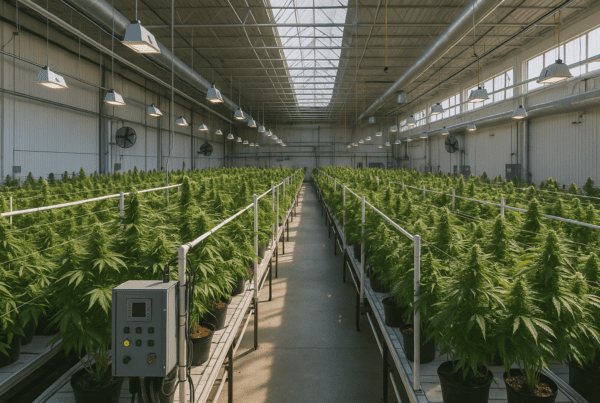

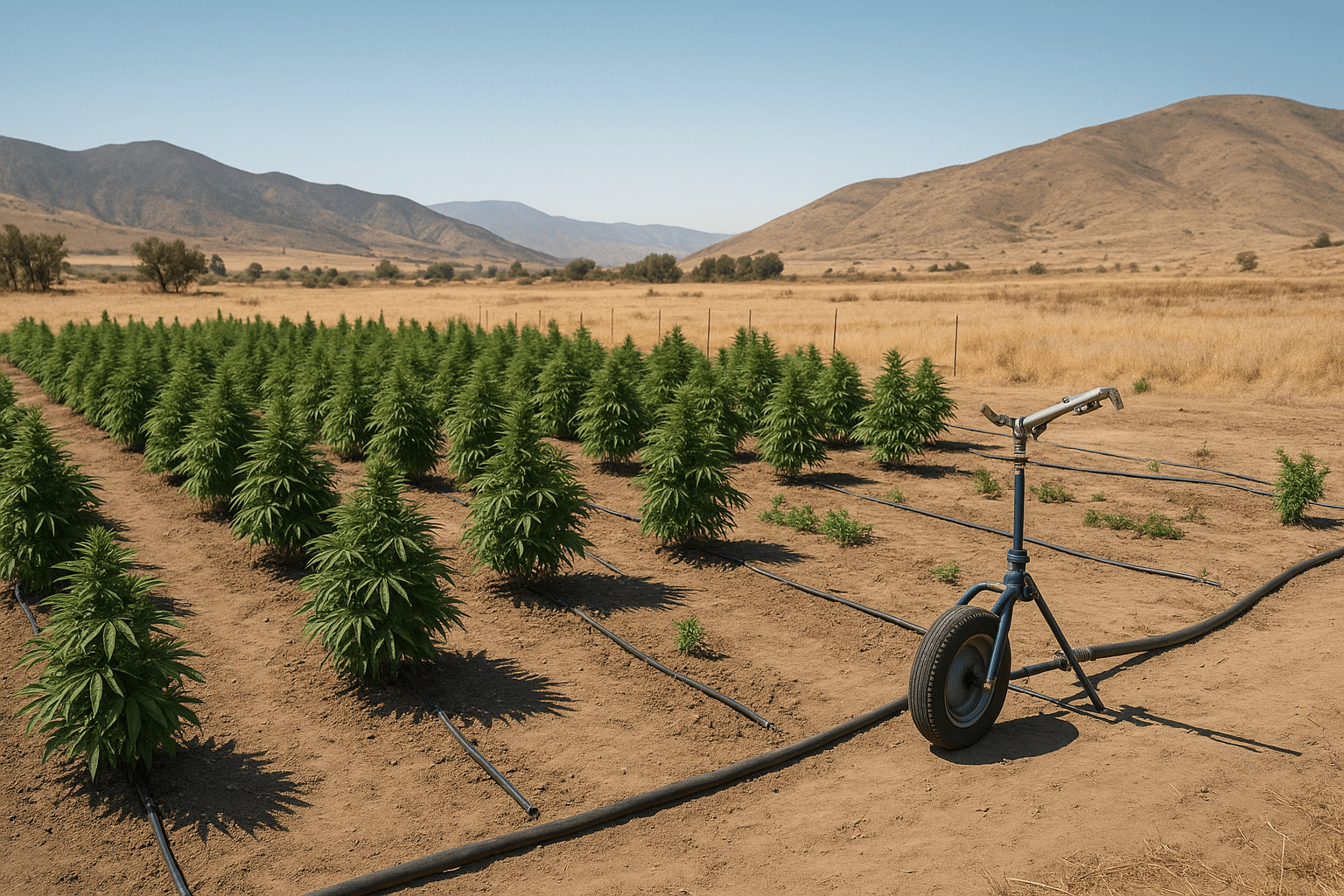
The expansion of cannabis cultivation has drawn new focus to how water is sourced, monitored, and regulated in agricultural practices. As states and local governments introduce more stringent water rules, growers navigate a difficult balance between legal mandates and the reality of sustaining their crops. This tension reflects broader concerns about water as a limited resource and the need for sustainable approaches in horticulture.
The Long Shadow of Water Scarcity on Cannabis Farms
Water scarcity sets a persistent challenge in many of the most productive cannabis regions. States such as California and Oregon, long known for their favorable climates, now wrestle with shifting weather patterns and years of drought that create uncertainty around reliable water access. This has led to a patchwork of regulatory responses aiming to restrict and carefully monitor water withdrawals from natural sources.
For cultivators, water use is not just a matter of efficiency but sometimes a complex legal issue involving senior water rights and competing community demands. Rivers, streams, and wells that once seemed abundant grow increasingly regulated as regional water managers strive to protect ecosystems and public needs. This layered dynamic means cultivators must pay close attention to when and how water can be used, often adjusting according to seasonal variation and local adjudications.
The Paperwork Maze and Uneven Impact on Growers
One of the growing pains in the current regulatory environment comes from the numerous permits, reports, and compliance measures necessary for lawful water use in cannabis farming. These requirements tend to multiply as states distinguish between groundwater and surface water, adding layers of approval from different agencies.
The burden often falls disproportionately on smaller-scale and longstanding growers who may lack in-house legal support or capital reserves to swiftly adapt their operations. For these cultivators, the timeline to secure permits or meet monitoring stipulations can feel daunting. Regulatory agencies meanwhile face the task of balancing enforcement with supporting an industry that remains an important economic and cultural player.
On-the-Ground Adaptations in Growing Techniques
As compliance demands rise, cultivators are experimenting with various ways to reduce water usage. Drip irrigation has gained popularity for its ability to deliver water directly to root zones, minimizing evaporation and runoff. Enhanced monitoring through soil moisture sensors allows finer control of irrigation schedules, potentially reducing waste.
Another strategy involves capturing and reusing water, whether through storage reservoirs or treatment systems, though these approaches require capital investment and technical expertise. Daily reporting on water volumes has become a new task, often adding administrative load to already busy operations. Some growers express frustration that these record-keeping rules pull time and focus away from attentive plant care, underscoring how regulatory frameworks can sometimes clash with practical farm realities.
Environmental and Community Dimensions of Water Use
The intersection of cannabis cultivation with local ecology and community water needs plays a significant role in shaping regulation. Many watersheds where cannabis grows are also home to sensitive habitats or support other agricultural users and indigenous groups with historic water claims. This can create tensions when cannabis-related water use appears to compete with other priorities such as drinking water or fish habitat conservation.
Efforts to build cooperative water management models are emerging in some areas. Stakeholder groups including growers, regulators, and community members discuss how to maintain environmental health while supporting cannabis farming. These conversations highlight the importance of context-specific solutions that account for ecological thresholds, legal rights, and economic factors rather than relying solely on blanket restrictions.
Signs of Progress and the Road Ahead
Despite these challenges, signs of progress exist in aligning regulations with sustainable cultivation practices. Some states offer financial incentives or pilot projects to help growers adopt efficient irrigation technologies or develop water storage to buffer dry spells. Policymakers appear increasingly interested in crafting rules that recognize the unique conditions and contributions of cannabis farms.
The ongoing dialogue among industry stakeholders and regulators suggests an adaptive approach to water management that may better balance compliance with operational realities over time. Climate patterns will continue to pressure water availability, making cannabis cultivation a pointed example of how agriculture evolves in response to environmental and policy constraints.
For growers seeking current guidance, the California Department of Water Resources provides detailed information on water use compliance specific to cannabis cultivation. The Oregon Water Resources Department also offers resources on water rights and permitting relevant to growers in that state. Industry perspectives and news coverage can be found at Ganjapreneur, which regularly tracks regulatory developments affecting cannabis cultivation.
Sources and Helpful Links
- California Department of Water Resources – Cannabis Water Use, detailed state guidelines on water use for cannabis cultivation
- Oregon Water Resources Department – Water Rights, official information on water permitting and rights in Oregon
- Ganjapreneur, cannabis business news site covering regulation and industry trends