
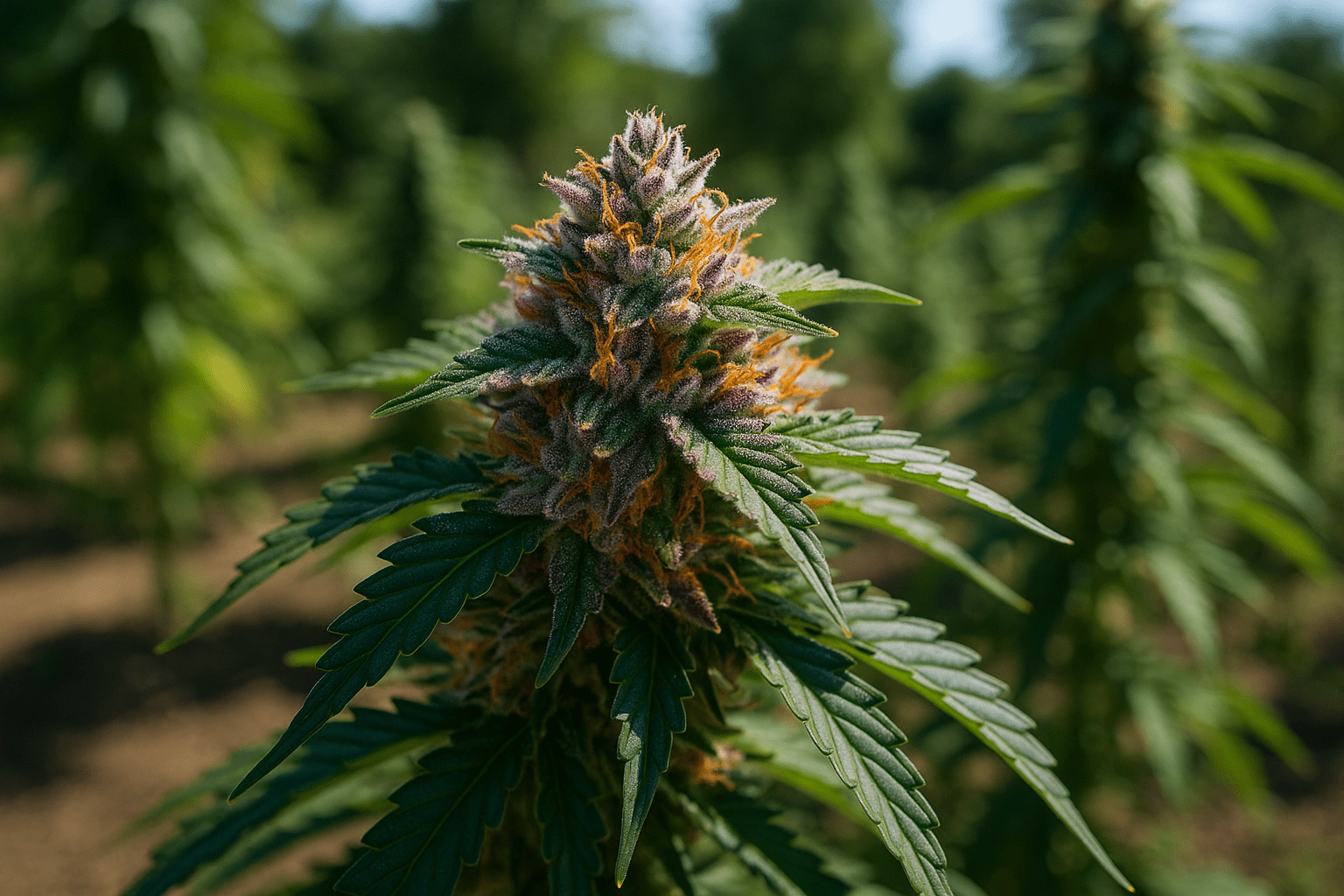
There is a noticeable shift in the cannabis industry, particularly noticeable among craft cannabis producers, where the fixation is moving beyond mere cannabinoid counts toward a richer examination of terpene profiles. These distinct aromatic compounds shape the flavor, scent, and nuanced psychoactive experience of cannabis in ways consumers are growing increasingly curious about.
Looking at cannabis beyond THC and CBD
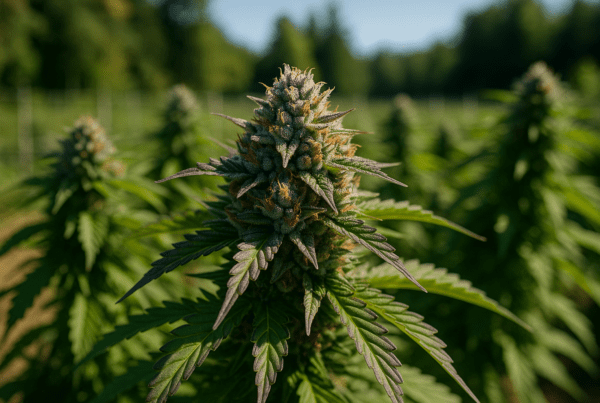
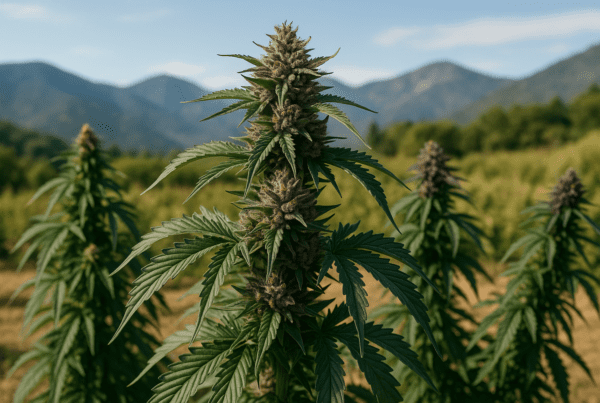
For years, the industry spotlight was locked on THC potency as the chief measure of quality or strength, with CBD following as the second most discussed cannabinoid. While these molecules indeed influence effects, they tell only part of the story. Terpenes, the naturally produced aromatic oils found in cannabis and many other plants, contribute layers of complexity that can guide the mood and feel of a particular strain. Craft growers are noticing that more of their customers crave not just potency but character, a more particular vibe found through the unique mix of terpenes present in their products.
Strains like Blueberry, Tangie, or Lemon Haze are recognized not merely for their cannabinoid content but for distinctive sensory signatures coming from their terpene combinations. As real-world consumer education around these aspects grows, it pushes craft producers to spend greater time selecting and breeding for richer, more varied terpene profiles in their crops.
The pursuit of tailored experiences and flavor complexity
There is a subtle cultural shift involved. Adult consumers increasingly see cannabis much like wine or coffee – a product where provenance, craftsmanship, and subtle notes make a meaningful difference. Craft cannabis growers have responded by focusing on terpene diversity to create deeper, more tailored experiences. Some small-scale cultivators are experimenting with rare landrace strains or heirloom genetics known for unusual terpene combos, while others are crossing varieties to emphasize flavors that evoke fresh citrus, earthy pine, spicy pepper, or sweet floral dreams.
Aside from taste and aroma, these terpene profiles have been linked anecdotally to effects or moods, such as uplifting, calming, or focusing sensations, though scientific conclusions remain tentative. The growing desire for this dimension reveals a consumer population that increasingly values personal expression and fine distinctions over broad generalizations.
Challenges shaping terpene-focused cultivation
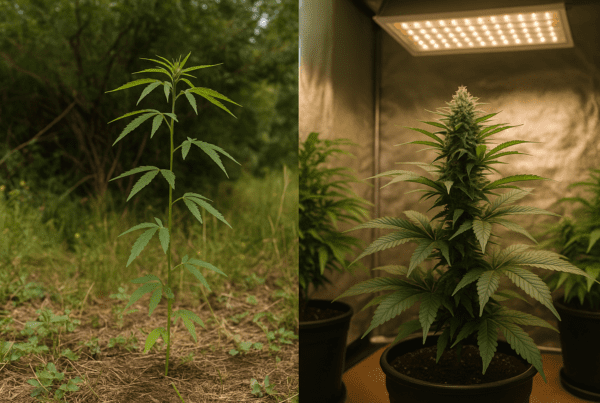
Developing and preserving distinct terpene blends is far from straightforward. Terpenes can be delicate, especially under certain drying and curing methods or prolonged storage. Environmental factors during cultivation such as light exposure, temperature fluctuations, and soil composition impact how terpenes develop. For craft producers, capturing these fleeting aromatic compounds while scaling their operations presents ongoing challenges.
Many craft growers leverage techniques honed through observation, adapting humidity control and trimming methods to best retain terpene integrity. Some are also introducing targeted nutrient regimens or adjusting growth cycles to coax out more complex profiles. This often demands more focused attention and smaller harvest volumes compared to large-scale operations optimized primarily for yield or cannabinoid percentage.
On the consumer side, educating the market about terpene nuances remains critical. Even within knowledgeable circles, these compounds are often overlooked or misunderstood. Craft brands incline toward transparency by offering lab data that include terpene profiles alongside cannabinoids, helping consumers understand what they are buying beyond basic THC or CBD levels.
Collaborations and innovation in terpene research
There is a slowly growing interest from academic and commercial labs to better quantify and categorize terpene impacts, though cannabis research still encounters legal and practical barriers. Some craft producers collaborate with specialist laboratories to profile their cultivars in fine detail, enabling targeted breeding choices and marketing transparency.
Alongside breeding, some companies explore terpenes extracted from other plants to enrich or customize formulas, often in vape or concentrate products. This cross-sector gleam shows how much the industry values terpene profiles as a frontier for consumer appeal and product differentiation.
This layered approach to cannabis innovation highlights how craft producers navigate between art and science, seeking to honor traditional cultivation knowledge while embracing new data and market trends. As more consumers embrace terpene complexity, craft cannabis may continue carving out a vibrant niche that contrasts with mass-produced alternatives aiming predominantly at potency.
The market is reflecting evolving tastes and expectations
Sales figures and consumer behavior analytics indicate that terpene-focused products are gaining traction. Many dispensaries note that detailed terpene profiles influence purchasing decisions and customer loyalty, especially among connoisseurs. The marketplace is adapting by stocking more curated, small-batch strains with distinct sensory signatures, while brand storytelling often centers on these aromatic qualities.
Ultimately, the trend toward unique terpene blends reflects a broader cultural appetite for diversity, personalization, and meaningful connection with cannabis as a botanical product. Craft producers, by responding thoughtfully to this demand, contribute to a more textured landscape where quality is not solely dictated by THC numbers but by an entire sensory experience that can surprise and delight.
While science will continue to clarify exactly how terpenes interact with cannabinoids and human physiology, the human element of scent and taste remains a powerful driver shaping how cannabis is grown, sold, and enjoyed. The rise of terpene diversity in craft cannabis feels like a return to cultivation as art, matching consumer curiosity with growers’ passion for the subtle and special.
This evolution is a reminder that cannabis, like any crop, thrives in the details – the small, fragrant notes that set one strain apart from another, inviting exploration, appreciation, and a deeper relationship with the plant’s natural complexity.
For those intrigued by the nuances of cannabis flavor and effect, the expanding world of terpene blends offers a fresh avenue to discover and savor new dimensions beyond what any single cannabinoid can deliver.
Resources like the National Organization for the Reform of Cannabis Laws and educational platforms such as Leafly’s terpene guide provide excellent background on terpene science and strain variety to help consumers and growers stay informed.
In this ongoing story of cannabis culture and cultivation, craft cannabis and its focus on unique terpene blends stand out as a meaningful chapter playing out now, hinting at what many hope is a new era of subtlety and sophistication in the cannabis experience.
Observing these developments reveals how a plant’s complexity can inspire entire communities, bridging science, tradition, and taste in ways that feel both timeless and freshly emergent.
For anyone interested in the crossroads of cannabis botany and consumer culture, following the craft cannabis movement offers a thoughtful perspective on the many ways this plant continues to surprise and engage.
As the market and research both move forward, the humble terpene offers a rich portal into cannabis’s evolving story, one fragrant molecule at a time.
Sources and Helpful Links
- National Organization for the Reform of Cannabis Laws, a resource for cannabis policy and education
- Leafly’s Terpene Guide, an overview of terpene profiles and their effects
- National Institutes of Health on terpenes, scientific discussion on terpene roles and interactions