
The cannabis industry, once largely a patchwork of small, underground or quasi-legal grows, now finds itself under a growing spotlight from environmental regulators. As legalization spreads and cultivation scales up to meet demand, the environmental footprint has become harder to ignore. More than just a compliance hurdle, this scrutiny is revealing new pressures and changes for growers who have long operated with minimal oversight.
Environmental Concerns Slow to Meet Legalization Growth
At first, the transition to legal cannabis focused on public health, safety, and preventing diversion to minors. Environmental issues had a backseat role, assuming smaller grows or indoor operations posed limited risk. That has shifted as states tighten regulations on energy use, water consumption, pesticide application, and waste disposal. These changes reflect broader awareness of how intensive cannabis cultivation can strain local ecosystems and infrastructure.
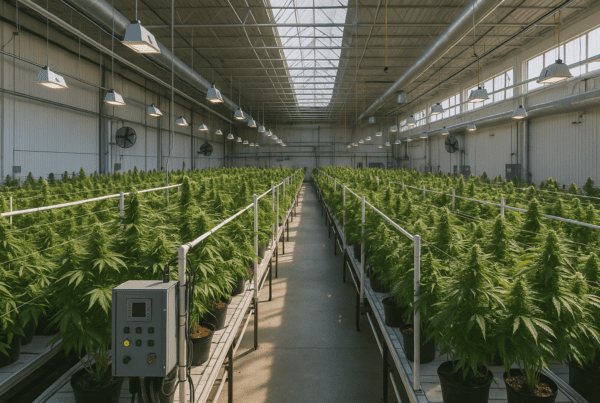
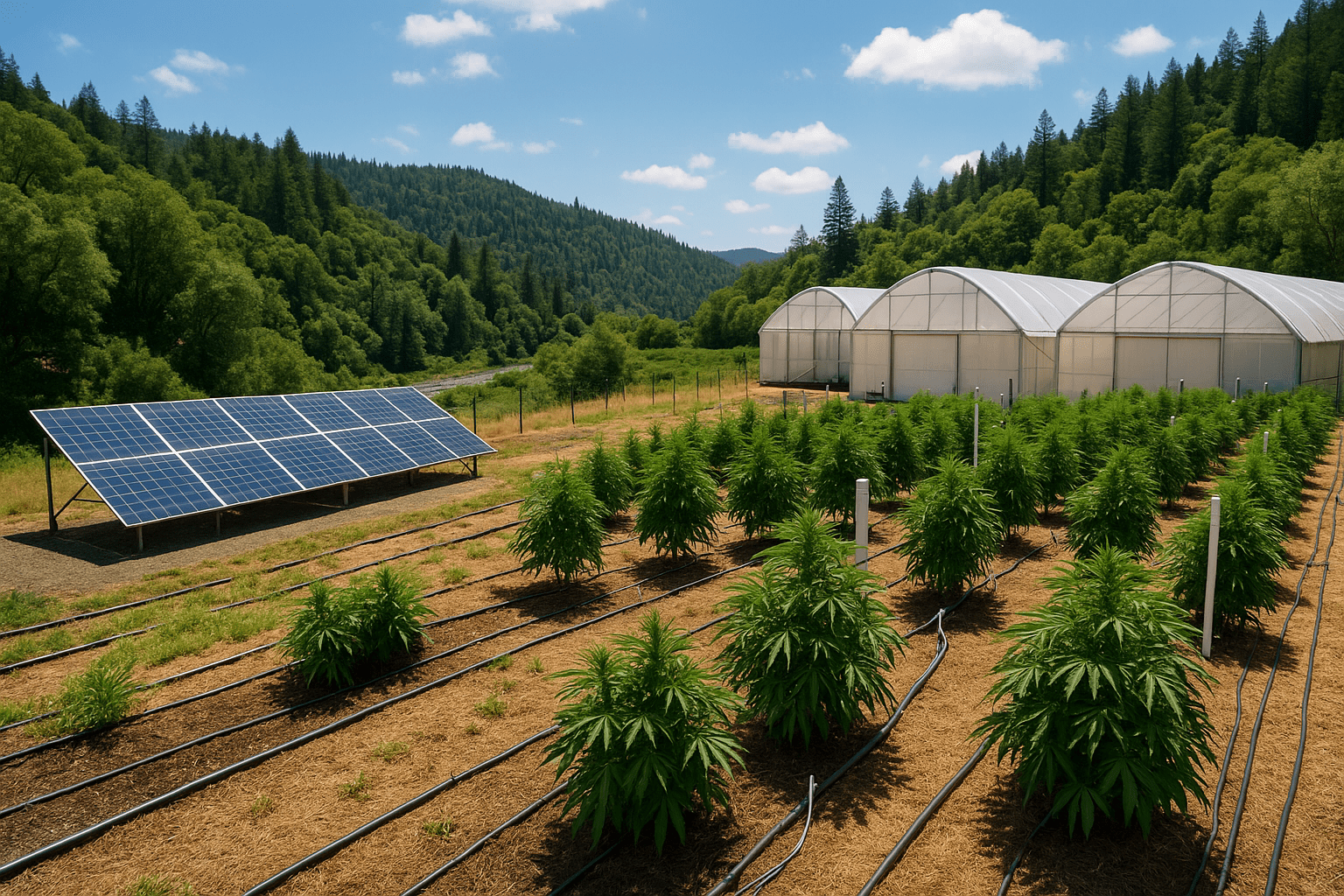
Remote grows that once skirted rules about water rights are now facing restrictions as watershed protections become more urgent. Indoor grows, often criticized for heavy electricity use and associated carbon emissions, are pushed towards sustainability benchmarks. For outdoor and greenhouse growers, the pressure to reduce chemical runoff and conserve biodiversity adds another layer of operational complexity.
Regulators cite growing data showing the sector’s collective impact on water tables, electricity grids, and even native plant and animal species. In California, for example, the State Water Resources Control Board has increased inspections and water use reporting requirements. Meanwhile, Colorado has developed specific guidelines for energy consumption linked to cannabis cultivation facilities through their energy office.
Operational Costs and Innovation Under Regulatory Pressure
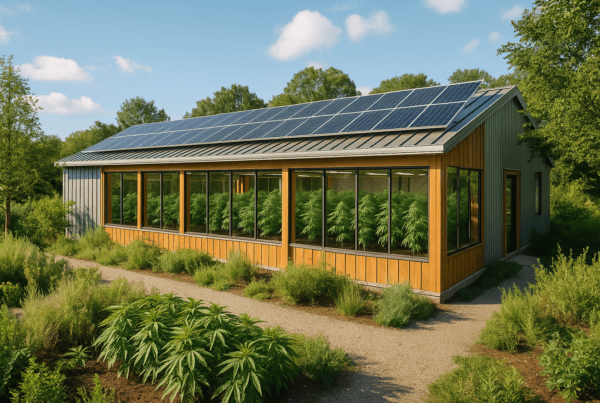
This new landscape means that growers must balance compliance costs with competitive pressures in a still-fragmented market. Energy-efficient LED lighting, water recycling systems, and precision irrigation tools represent significant upfront investments. Yet many cultivators find these upgrades essential to maintain licenses and avoid penalties. Some growers see an environmental regulation push as an opportunity to future-proof their operations and appeal to increasingly eco-conscious consumers.
At the same time, smaller operators face tough choices. Without capital to renovate facilities or install sophisticated monitoring, some opt to scale down or pivot towards craft, locally oriented markets. Others band together in compliance networks or collaborate with consultants to spread the cost and complexity of staying current with evolving rules.
The adaption process varies regionally. In Oregon, where outdoor grows remain prevalent, regulators emphasize sustainable water management practices that tie into broader conservation efforts as outlined by Oregon Watershed Enhancement Board. Pennsylvania growers face unique challenges with older buildings designed for different industrial uses, pushing innovation in retrofitting systems to meet new energy codes.
The Role of Data and Transparency in Compliance
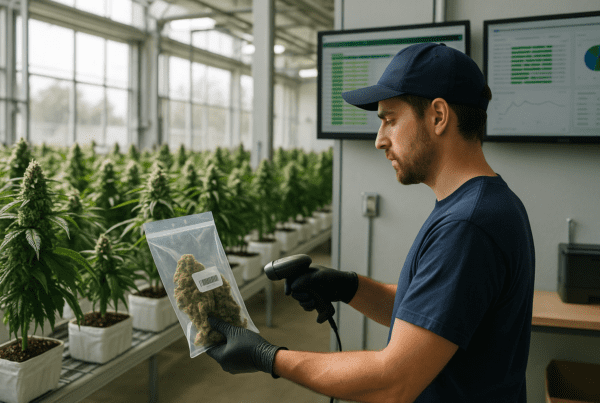
One of the most notable trends arising from increased regulation is the push for better data collection and transparency. Regulators require detailed records of water withdrawals, pesticide applications, and energy use that were often absent or minimal in earlier phases of industry development. This is forcing a shift in how growers operate on a day-to-day basis-with digital tools and platforms emerging to help track and report environmental metrics.
Integrated software solutions now address everything from irrigation schedules to chemical inventories, aiming to reduce human error and improve regulatory adherence. Stakeholders report a mix of frustration and relief with these tools. While the administrative burden grows, better data also opens doors for quality control and operational insight. Transparency becomes a currency for legitimacy in a market still struggling with stigma and legal complexity.
Industry groups and advocacy organizations are engaging regulators to clarify expectations and advocate for pragmatic compliance deadlines. For example, the Coalition for Cannabis Environmental & Economic Sustainability promotes science-based guidelines and helps bridge the gap between environmental goals and cannabis business realities. They emphasize balanced rules that protect ecosystems without driving small farms out of business.
Looking Beyond Compliance
Some growers move beyond mere compliance, exploring regenerative agriculture principles and circular economy ideas to minimize any negative environmental impact. Cover cropping, composting, integrated pest management, and local sourcing of inputs all feed into a broader vision of resilient and responsible cannabis cultivation. These practices not only help secure environmental permits but can enhance soil health, reduce input costs, and produce a higher quality product that resonates with conscious consumers.
However, these ambitions often require time, expertise, and resources that new entrants or small-scale growers lack. Education and shared knowledge become critical. Extensions of traditional agriculture programs have begun incorporating cannabis-specific modules, recognizing its unique challenges and scale. Meanwhile, traditional growers entering the cannabis space bring valuable sustainability experience but still face new regulatory frameworks.
The environmental scrutiny coming to cannabis cultivation reveals a maturing industry negotiating real-world hurdles of expansion. The balancing act between growth and stewardship reminds everyone that cannabis is not outside regular agricultural dynamics. Ultimately, these pressures could spur innovations that improve the sector’s environmental footprint and strengthen its social acceptance.
Understanding the evolving environmental regulatory landscape matters for anyone involved in cannabis cultivation, investment, policy, or advocacy. Checking websites like the Environmental Protection Agency’s cannabis resources or local state agencies provides clarity on current expectations. Equally important is ongoing dialogue between growers, regulators, and communities to navigate the complexity at this intersection of agriculture and environment.
For the sector’s future, adaptation is less about resistance, more about embracing new realities and opportunities. It is a shift that will help define cannabis not just by market size or profit but by its footprint on the landscapes it grows in and the people it touches.
Sources and Helpful Links
- California State Water Resources Control Board cannabis page – Information on water use regulations for cannabis cultivation.
- Colorado Energy Office cannabis energy guidance – Resources to improve energy efficiency for cannabis growers.
- Oregon Watershed Enhancement Board cannabis water management – Guidelines on sustainable water practices for cannabis in Oregon.
- Coalition for Cannabis Environmental & Economic Sustainability – An organization focused on balancing cannabis cultivation with environmental goals.
- Environmental Protection Agency cannabis resources – Regulatory and guidance overview relating to cannabis cultivation.