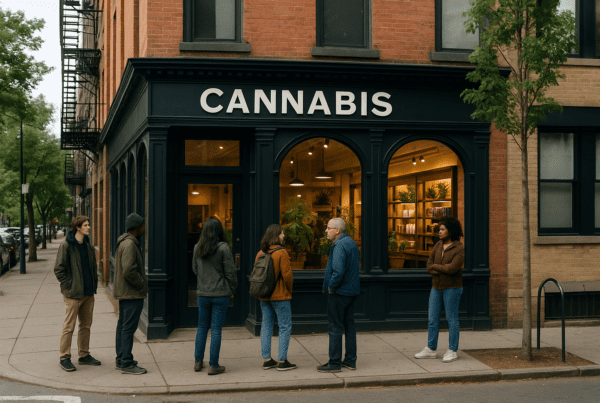

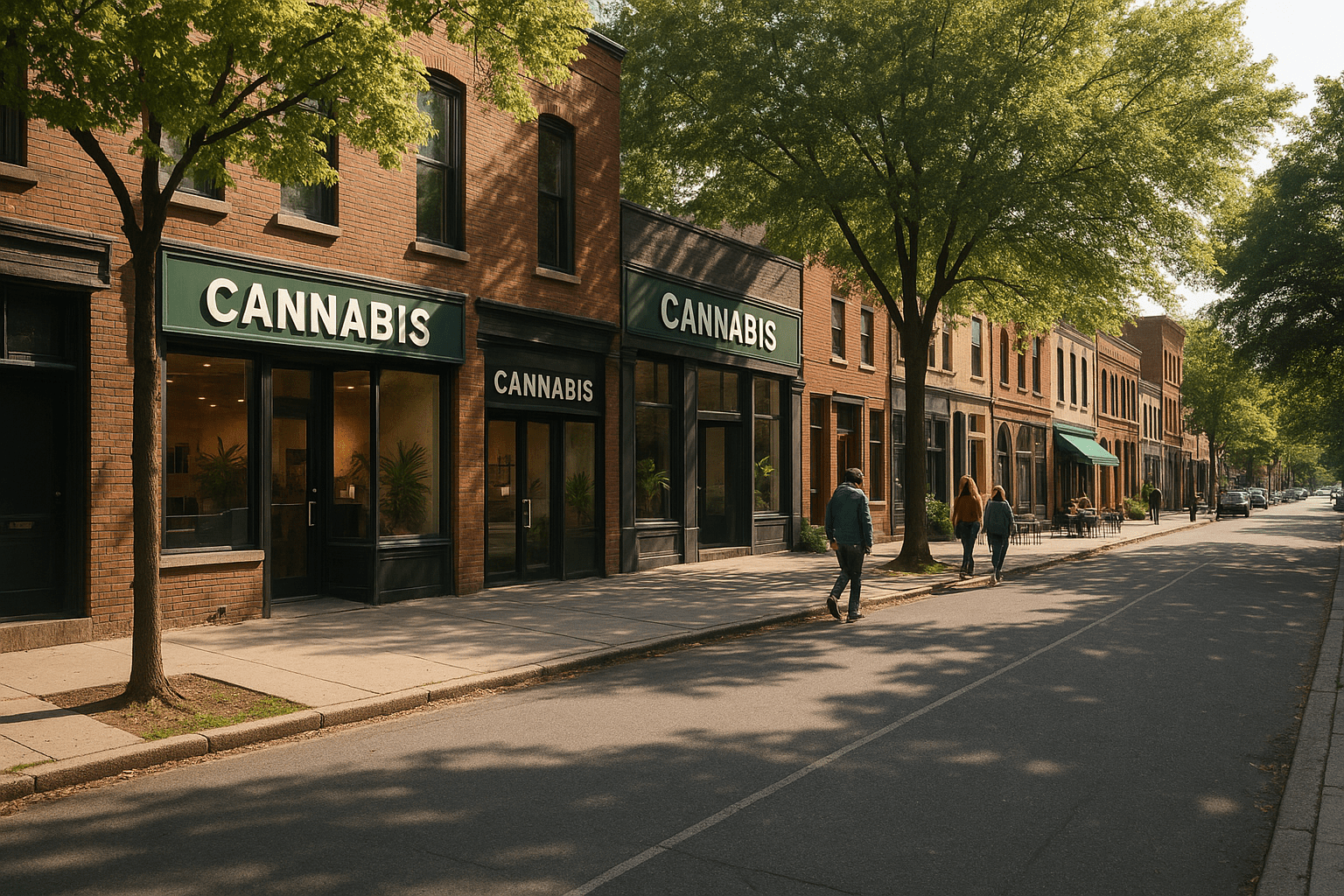
The shifting landscape of local zoning laws is having more influence on cannabis retail than many might notice at first glance. Across urban and suburban areas, rules that determine where dispensaries can operate are being reconsidered, tested, and adjusted. These local decisions matter a great deal because they alter not only the commercial footprint of cannabis but how communities experience and engage with the market.
Finding New Grounds in Changing Neighborhoods
When cannabis retail first emerged from the shadows of prohibition, dispensaries were scattered wherever regulations allowed, sometimes clustering in busy commercial corridors or at neighborhood edges. This approach occasionally sparked pushback, especially from residents concerned about proximity to sensitive locations. Now, zoning often gets a more tailored reexamination. Cities work to keep cannabis shops away from schools, parks, or houses of worship while sometimes loosening controls elsewhere to allow more geographically spread options. The concept of a one-size-fits-all approach has largely given way to an effort to respect what each neighborhood wants or needs.
What emerges can be unexpected. Retailers might find themselves moving from easily walkable central areas to spots on quieter or more industrial streets. This can lower casual foot traffic, nudging stores toward a customer base more reliant on cars or deliberate visits. As a consequence, the storefront, the layout, and even the brand’s feel must adjust. Cannabis commerce becomes as much a reflection of regulatory surroundings as it is of consumer tastes or marketing strategies.
This relocation creates a layered reality for businesses. Finding a balance between visibility and regulatory compliance can feel like navigating a maze of zoning classes, buffer zone distances, and neighborhood agreements. For consumers, those subtle shifts translate into changes in accessibility, whether they are hopping off a bus or driving from nearby suburbs.
Social Equity Weaving Into Where Cannabis Retail Grows
Besides pure commercial strategy and community comfort, social equity has become a visible thread braided into how zoning evolves. Many local governments adopt policies that aim to correct imbalances from the era of cannabis prohibition, giving priority to businesses owned by people from disproportionately impacted communities. Changes in zoning codes help make this possible by designating special districts or expanding allowed zones for qualifying applicants.
This approach often means shifting dispensaries into areas that were once deemed unsuitable for retail or cannabis sales. Overlay zones or adjusted commercial classifications create opportunities where none existed before. These policy moves are a balancing act. On one hand, they promote inclusivity and economic rectification. On the other hand, clustering retailers in limited areas might strain neighborhoods or inadvertently favor larger operators who can bear the pressure of competition.
For some communities, this can lead to tension as the hoped-for benefits of expanding access and opportunity contest with fears over increased traffic or shifts in neighborhood character. The interplay between lived experience and regulatory intent highlights the delicate nature of zoning reform.
Real-world outcomes depend heavily on how well community voices, regulatory frameworks, and urban plans align. The goal is to spread benefits while minimizing friction. Yet results vary widely, as zoning regulations interact with market realities, local politics, and community attitudes in complex ways.
Shaping More Than Just Storefronts
Zoning impacts ripple well beyond a single storefront or street. Cannabis shops often become anchor points that influence a neighborhood’s broader commercial life, foot traffic, and even real estate trends. Some cannabis-friendly districts see shops inspiring local artists, joining farmers markets, or merging into block parties, creating a sense of place and culture around the product.
Conversely, some communities wrestle with whether cannabis retail fits their identity or worry about perceived safety and property values. Transit patterns and parking demand also get affected, with city planners taking note as new dispensaries change how people travel and gather.
In several cities, cannabis retail presence correlates with shifts in surrounding businesses, from eateries to boutiques, leading to new commercial corridors or revitalizing overlooked areas. But this can also prompt concerns about gentrification or the displacement of long-standing residents and businesses.
Over years, the steady influence of local zoning choices contributes to how cities evolve after legalization, shaping daily experiences in ways that are often subtle but cumulative. Retail presence colors neighborhood rhythms, creating new hubs or reinforcing existing commerce corridors.
The Ongoing Experiment in Regulation and Planning
Local governments are experimenting all the time, adjusting zoning maps in response to how cannabis retail actually plays out on the ground. They intersect cannabis regulation with broader urban goals, such as managing traffic loads, supporting small businesses, or integrating affordable housing initiatives. Public hearings and community consultations keep the process dynamic, reflecting the give and take between various stakeholders.
It becomes clear that cannabis zoning is less about fixed rules and more about ongoing negotiation. Legalization opened the door but how cannabis fits best within a city’s social and physical fabric is still being worked out. Retail environments are being fashioned one zoning decision at a time, making the subject both local and deeply intertwined with broader questions about urban life and equity.
Understanding zoning’s role in cannabis retail means recognizing the layers of community history, economic policy, and urban design. Each city grapples with what balance between control and opportunity looks like, wrestling with legacy concerns, future aspirations, and the practicalities of land use.
For those seeking deeper insights on how zoning ties into cannabis regulation, the National Conference of State Legislatures’ page on medical marijuana laws offers comprehensive detail about state level frameworks and local land use considerations. Reports from Leafly’s coverage on social equity provide nuanced views on how zoning reforms intersect with justice goals. Meanwhile, the American Planning Association’s discussions bring urban planning perspectives on zoning and cannabis integration.
As legalization advances in more places, local zoning will continue to quietly shape how cannabis retail grows, influencing community character, business opportunities, and the very texture of city neighborhoods.
Sources and Helpful Links
- National Conference of State Legislatures – Overview of medical marijuana laws including zoning considerations
- Leafly’s social equity cannabis reports – Exploration of social equity initiatives in cannabis
- American Planning Association – Cannabis and urban planning insights