

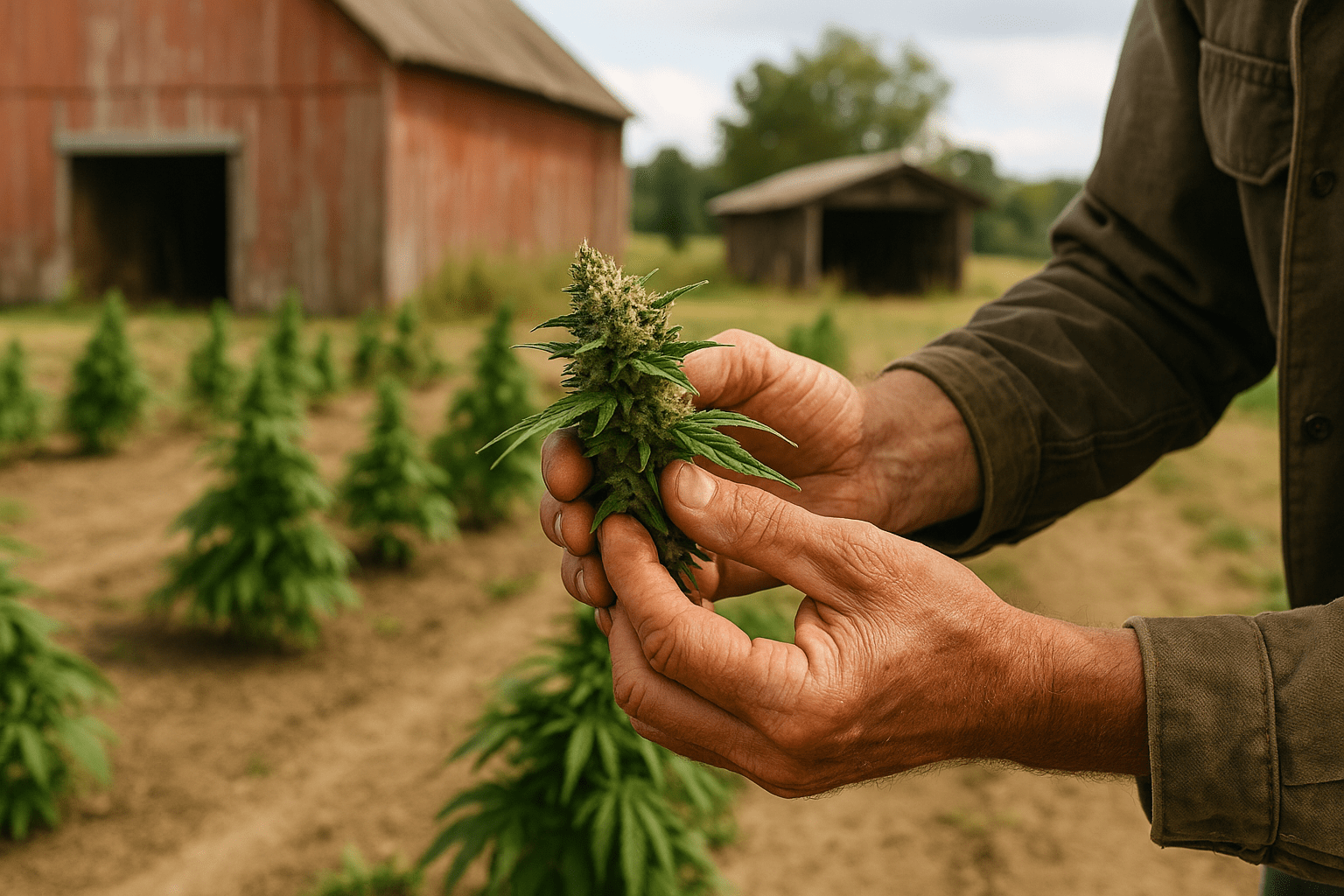
It is becoming clear that cannabis consumers are shifting their attention from simple product features to the stories behind those products. In a market that has grown quickly and sometimes haphazardly, transparency seems to be more than just a nice-to-have, it is becoming a necessity. Customers want to know more about how their cannabis was grown, where, and by whom. This emerging priority shapes the way people shop, trust brands, and even what they expect from their experiences with cannabis.
The human element behind the plant
Consumers often describe feeling a stronger connection to products when they understand where these products come from. For cannabis, this means that the grower’s story, cultivation methods, or even the region’s character can influence a purchase as much as cannabinoid percentages or terpene profiles. It is a curiosity rooted in a desire not just to consume but to participate in the broader narrative of cannabis production.
Market research highlights growing interest in ethical and sustainable cultivation, alongside transparency in lab testing and sourcing. This trend echoes what has been observed in the food and beverage sectors, where origin labeling has long played a role in shaping buying behavior. Cannabis consumers often express appreciation for products that articulate their journey, whether that involves organic soil, water conservation, or community engagement.
Trust’s fragile but powerful role
Trust is one of the pillars holding up today’s cannabis industry, especially as it navigates regulatory changes and quality concerns. Despite strict testing requirements in many jurisdictions, consumers often remain cautious due to past scandals or anecdotal reports about contaminants or mislabeling.
Transparent origin stories serve to reduce uncertainty by providing context. They invite buyers behind the scenes to see how their cannabis was cultivated and processed, which can be reassuring. In some ways, these stories humanize the supply chain and create accountability that purely technical data might not convey. A label stating “locally grown by a family farm with sustainable practices” offers credibility that resonates differently than a string of cannabinoids on a certificate.
Some companies are experimenting with technologies like QR codes linked to farm videos, grower interviews, and production milestones. These efforts, while not yet ubiquitous, show the appetite among consumers for verification that goes beyond simple compliance.
Quality perception shaped by origin knowledge
It is also worth observing how a product’s origin can influence perceptions of quality. For many consumers, knowing that cannabis was grown outdoors under natural sunlight versus in a large indoor facility changes how they think about the product’s character and value. Stories about terroir, usually reserved for wine and coffee, are beginning to appear in cannabis as well.
Regions known for specific climate conditions or traditional growing heritage can command their own cachet, elevating products in customers’ eyes. This effect is tied closely to transparent storytelling about production and environment, fostering a sense that these factors meaningfully impact the final product.
Of course, this perception is subjective and tied to individual preference. But it does indicate a maturing of the cannabis market where origin is not just about safety, but also about nuanced, culturally informed experience.
Consumer activism fueling demand for openness
Another facet behind the rise in origin transparency is the growing activism among cannabis consumers themselves. Many are demanding industry improvements, including environmental responsibility, fair labor practices, and social equity. Transparent origin stories often reflect these commitments and become a way for consumers to vote with their dollars.
This demands a higher level of accountability from producers. Brands willing to share their methods, challenges, and community impact openly often earn more loyal customers. At the same time, it puts pressure on companies with less transparent practices to improve or risk losing market share.
The intersection between consumer expectations and corporate transparency is still evolving, but it is clear there is momentum toward a cannabis marketplace that values openness as part of its core identity.
Peeling back layers beyond marketing
It is easy to think that stories about origin might just be a marketing ploy. Still, the reality being observed points to more substantial implications. Transparent origin stories can build bridges toward better understanding of cannabis diversity, encourage investment in local or specialized growing operations, and support efforts for stricter quality standards that respect cultivation nuances.
Though transparency will not guarantee quality or a superior product on its own, it creates a richer dialogue between growers and consumers. This dialogue is fertile ground for innovation and refinement in the industry as it matures.
As growers and brands continue to navigate how much story to share and what to highlight, consumers seem eager for authenticity. That uncompromising honesty with all its imperfections may ultimately be what defines trustworthiness in cannabis moving forward.
Exploring perspectives on cannabis origin stories also offers insights for anyone paying attention to shifting consumer values, regulatory responses, and the evolving culture around this plant.
Those interested in seeing where this trend leads may want to watch how technology, transparency frameworks, and consumer literacy develop together in the coming years.
For a look at evolving cannabis standards and consumer trust, the National Institute of Standards and Technology offers ongoing research and resources.
The National Conference of State Legislatures tracks cannabis regulatory frameworks across the United States, providing a helpful context for understanding how transparency is shaped by law.
For practical consumer-facing education, the Leafly Cannabis 101 hub explores how product origin might affect experience and quality expectations in everyday decisions.
The Cannabis Industry Journal often covers business strategies involving transparency, tracing consumer data and market trends tied to origin stories.
Finally, Consumer Reports has published investigative work that scrutinizes product testing and labeling issues, reinforcing why trust and transparency matter.
Sources and Helpful Links
- National Institute of Standards and Technology – Research and standards related to cannabis quality and testing
- National Conference of State Legislatures – Overview of state cannabis laws and regulations
- Leafly Cannabis 101 – Consumer education on cannabis strains, products, and effects
- Cannabis Industry Journal – Industry news with a focus on trends and business strategies
- Consumer Reports – Investigative reporting on cannabis product safety and testing accuracy