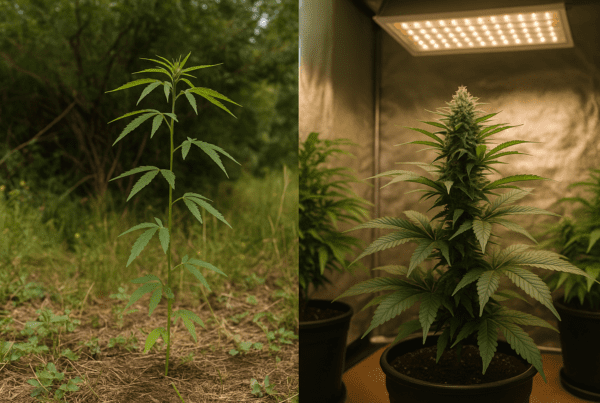

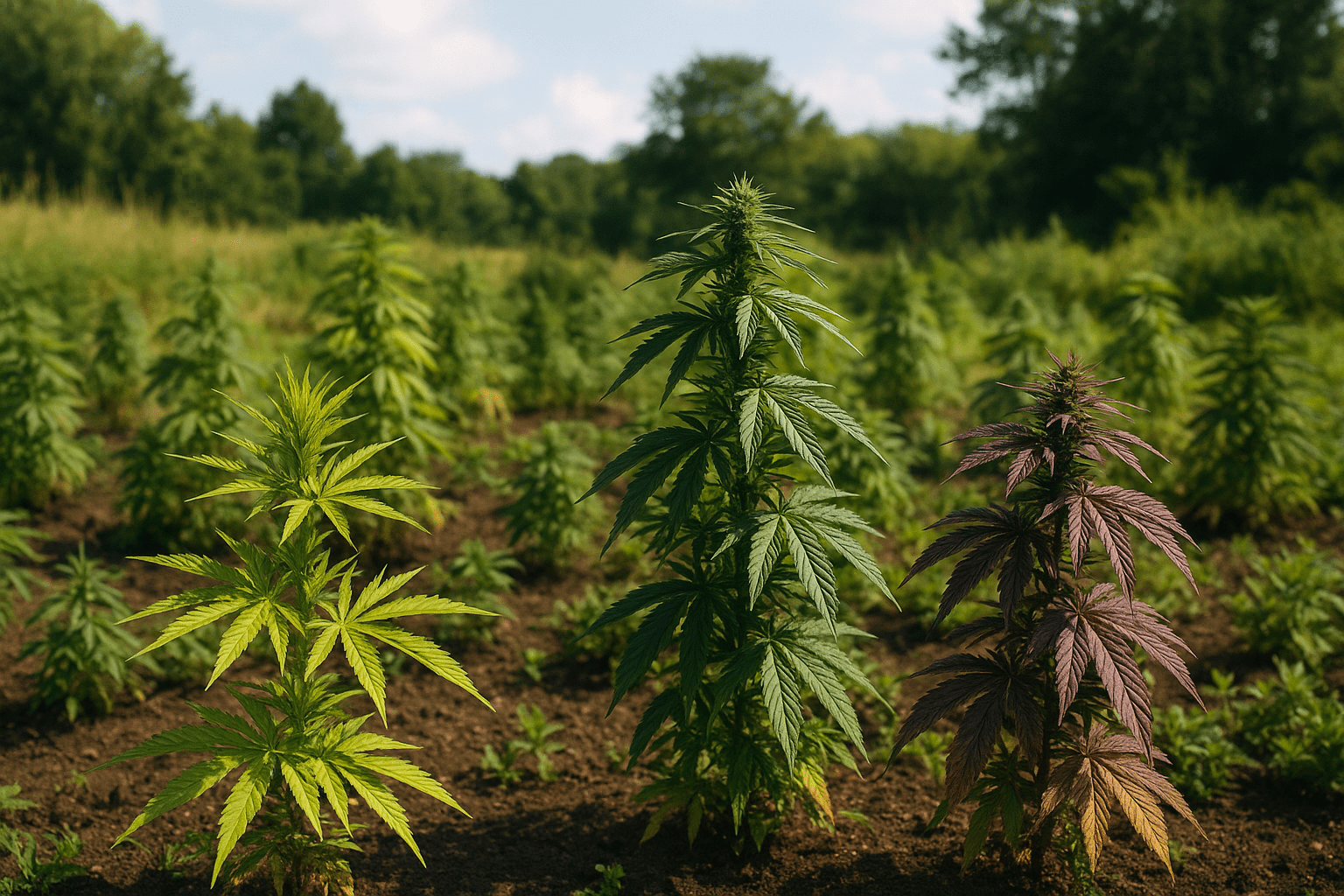
Landrace cannabis strains hold a unique position in the story of cannabis culture and cultivation. Unlike modern hybrids bred for specific traits, these strains emerge from long-standing, natural genetic adaptation to local environments. When you start looking at cannabis plants thriving in different parts of the world, from the Arabian Peninsula to the Hindu Kush mountains or the jungles of Southeast Asia, you encounter striking differences — and that’s before human influence enters the scene.
How geography quietly shapes cannabis genetics
When cannabis grows naturally over generations in a specific location, it tends to develop traits that help it survive and reproduce within that particular climate, soil type, altitude, and ecosystem. The genetic variation seen in landrace strains is not just about random changes; it’s more like a slow, patient dialogue between the plant and its surroundings. This interaction sculpts plants that may have unique cannabinoid and terpene profiles, distinct growth patterns, or different resistances to pests and diseases.
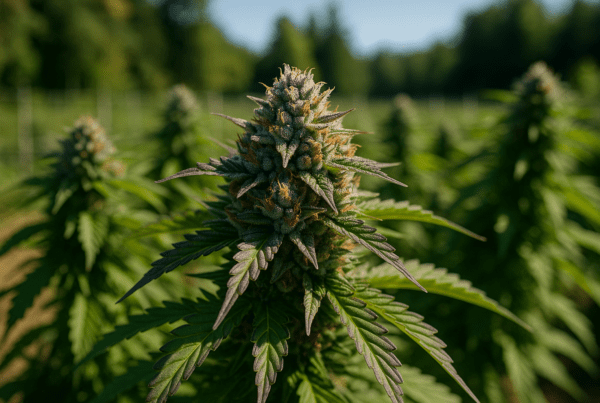
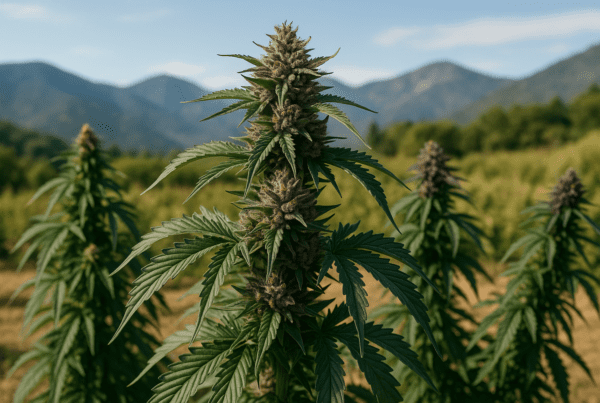
For example, Afghan Kush, a landrace from the Hindu Kush mountains, has evolved to handle cold nights and high altitudes with tightly packed buds and a resinous coating protecting it from environmental stress. Contrast that with Thai landrace strains that flourish in tropical conditions, growing tall with lanky branches, which helps with air circulation and heat dissipation. The very architecture of the plants reflects their adaptation strategies.
The subtle dance of genes and human influence
While landrace cannabis varieties owe much of their characteristics to natural selection, human cultivation practices over centuries also weave through their genetic stories. Farmers in traditional growing regions have long selected and saved seeds from plants that exhibit favorable traits. This traditional selection differs from modern breeding in that it often maintains more genetic diversity rather than focusing on uniformity or high cannabinoid content.
It is worth considering that local landrace populations often do not represent a single, homogeneous genetic group. Instead, they frequently contain a web of closely related but genetically distinct plants. This diversity within landrace populations helps ensure resilience to environmental shifts. It’s a kind of natural insurance policy, where some plants may thrive if conditions change, preserving the broader strain’s survival.
Regional pockets of diversity reveal climate and culture
When comparing landrace strains from South Asia, Central Asia, and the Americas, the variations become surprisingly pronounced. The combination of geographic isolation and different cultural approaches to farming has led to diverse outcomes. For instance, cannabises from the high Himalayan valleys grow in relatively limited gene pools due to physical barriers but maintain specialized traits that support survival in harsh mountain climates. On the other hand, South American varieties like Colombian landrace cannabis benefit from extensive genetic mixing due to overlapping ecological zones and centuries of human migration and seed exchange.
It is not only environmental factors at play but also regional cultivation goals shaping how these strains evolve. Some areas prized potency or resin production for traditional resin extraction, while others focused on fiber quality or medicinal effects. These preferences leave their mark on the genetic composition of landrace strains.
Why genetic variation in landrace cannabis still matters today
For modern cultivators and breeders, landrace cannabis is more than just a window into the past. These strains offer a critical genetic reservoir that can provide traits like disease resistance, climate adaptability, and unique flavor profiles missing from many commercial hybrids. Their broad genetic base reminds us that cannabis is a highly adaptable species capable of nuanced responses to varied environments.
Given the loss of many traditional cannabis growing regions due to legal restrictions or environmental change, preserving landrace genetics feels more urgent each year. Organizations and collectors working to conserve this diversity recognize that each landrace strain carries a chapter of cannabis history embedded in its DNA.
Beyond the genetic science, there is something almost poetic about how these strains remain intricately tied to the lands and peoples that nurtured them for centuries. Whether cultivated indoors under controlled conditions or grown out in fields following ancient patterns, landraces connect growers to that long continuum of adaptation and cultural exchange.
It’s also taking an honest look at this genetic variation that helps debunk some myths surrounding cannabis ‘originals’ or heirloom varieties. Landrace strains are far from static; they represent a living, breathing diversity shaped by ongoing interaction with humans and nature. This ongoing dialogue between environmental forces and genetic expression encourages a more nuanced appreciation of cannabis plants beyond branding or narrow definitions.
Overall, the rich variation in landrace cannabis genetics underscores how geography, climate, and culture have worked together to shape the cannabis we know and grow today. From the towering Himalayan peaks to the tropical forests of Southeast Asia, these plants offer a vivid chapter in cannabis’s evolutionary story — one every grower and enthusiast can observe with curiosity and respect.
For those interested in digging deeper, studies like those from the National Institute on Drug Abuse provide an introductory overview of cannabis botany, while genetic research published in journals such as Frontiers in Plant Science show genomic variation within cannabis populations. Educational sites like Leafly’s landrace glossary also distill how these genetic patterns fit into the broader cannabis culture and cultivation landscape.
Observing and respecting this natural genetic variability encourages a continued conversation about where cannabis is headed and what lessons its wild and early cultivated ancestors still hold
Sources and Helpful Links
- National Institute on Drug Abuse — Background and botanical information on cannabis.
- Frontiers in Plant Science — Research article on genetic variation in cannabis strains.
- Leafly’s Landrace Glossary — Explanation of landrace cannabis and its role in cultivation.