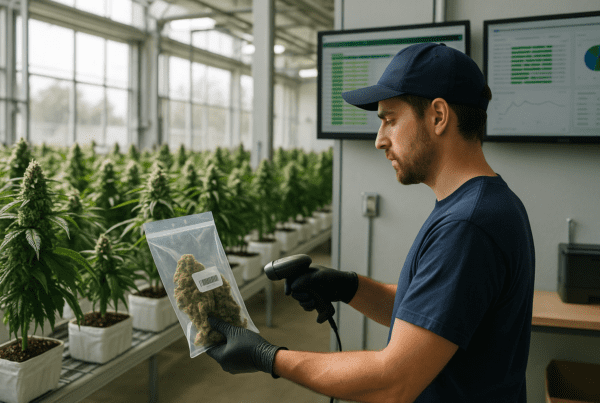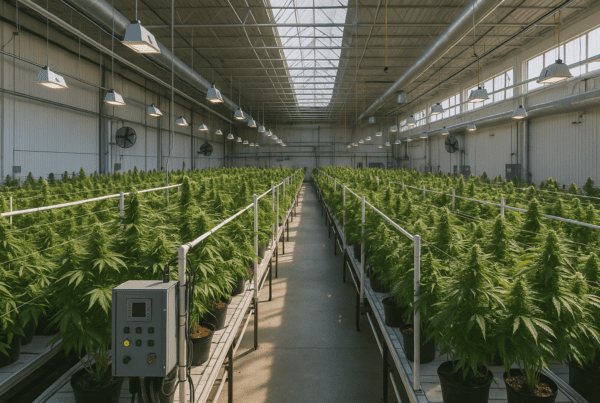

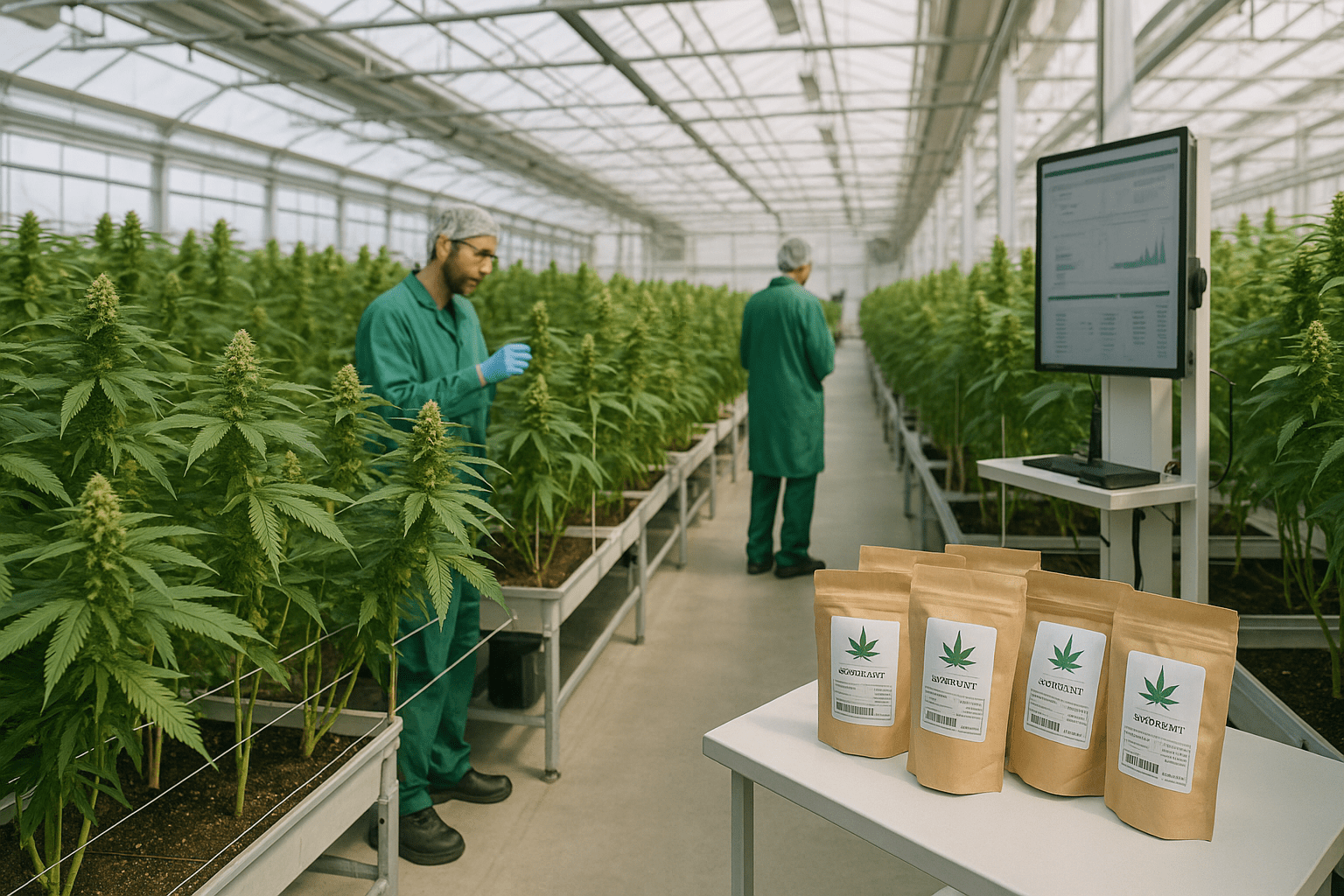
Many people looking at today’s cannabis market notice a subtle but important shift. More consumers are asking about where the products they buy come from, how they were grown or manufactured, and whether they can trust the claims made on packaging. This growing demand for traceability in cannabis is reshaping how growers, processors, and retailers approach their businesses.
Consumers Looking for More Than Labels
It is no longer just about potency or effects. Shoppers want to know if the cannabis was cultivated sustainably, if pesticides or additives were used, and if the product was tested in accredited labs. The organic food movement and heightened health awareness are influencing cannabis buyers to seek transparency. This change is happening alongside a general increase in curiosity about the production process in many natural products categories.
Traceability means different things for different people. For some, it is the story of which farm or grower nurtured the plant. For others, it extends down the supply chain to track every step, including processing, extraction, and packaging. The industry is responding by adopting systems that enable this level of detail to be recorded and shared, connecting consumers to their products in meaningful ways.
Technology Stepping Up to the Challenge
Blockchain technology, for example, has become a tool for certain producers aiming to offer irrefutable product histories. Although still relatively rare, it appeals to those wanting to eliminate doubts about authenticity or quality. QR codes on packaging often link to lab test results, cultivation data, and other relevant information. This integration of digital tracking into physical products is a sign of cannabis catching up to sectors like craft food and beverage or pharmaceuticals.
Supply chain software tailored to cannabis needs has grown steadily, catering to compliance requirements as well. Because cannabis is still subject to strict regulatory frameworks in many states and countries, maintaining a clear chain of custody is a practical necessity. That basic need aligns nicely with consumer demands, creating opportunities for companies that embrace transparency early.
Producers Experimenting with Transparency Models
States with well-established cannabis markets tend to lead in traceability initiatives. In California and Colorado, for example, some licensed producers voluntarily share extensive data about their cultivation practices, harvest dates, and batch testing before products reach shelves. These businesses perceive transparency as a competitive advantage rather than a mere regulatory hurdle.
On the cultivation side, traceability might include detailed records of nutrient formulas, lighting arrangements, and pest management techniques. Some farms allow virtual or even on-site tours to deepen consumer trust. Such openness can be rare in an industry that has traditionally prized privacy, but it is gaining momentum in part because it answers questions consumers do not hesitate to ask these days.
Processors and manufacturers are also increasing transparency around extraction methods, solvent use, and ingredient sourcing for infused products. Clear labeling practices that go beyond legal minimums help educate buyers, many of whom are still learning what to look for in oils, edibles, and topicals. This trend points toward a maturing industry where knowledge is power and clarity builds loyal customer bases.
Challenges in Building Trust and Transparency
That said, providing traceability is not without obstacles. The cannabis market remains fragmented in many places due to inconsistent regulations and varying standards from one jurisdiction to another. Smaller operators sometimes struggle with the cost and complexity of adopting full traceability systems, which can involve new software, training, and record-keeping.
Moreover, transparent practices can conflict with concerns about intellectual property or competitive secrecy. Some cultivators worry that sharing detailed genetics or growing techniques could invite imitation. Others face tradeoffs between speed and transparency as consumers expect timely fulfillment. The industry is still navigating how to balance openness with protections for innovation and business interests.
The Role of Regulation and Certification
Regulators play a critical role in standardizing traceability efforts. Many licensing agencies require basic batch tracking and testing, but a handful are pushing toward more comprehensive frameworks that include environmental impact and social equity criteria. These efforts reflect broader calls in cannabis policy to raise product safety and accountability.
Certification programs are also emerging, some designed to verify organic or sustainable cultivation practices, while others focus on fair labor conditions or local sourcing. While the proliferation of certification seals might risk confusing consumers, thoughtfully constructed programs offer another layer of trust, especially for those grappling with an abundance of choices.
What This Means Going Forward
Ultimately, the growing emphasis on cannabis products with traceable origins signals a deeper shift in both the market and culture surrounding cannabis. Buyers are becoming more educated, more demanding, and less willing to accept vague claims. The industry is responding with increased transparency, although the path toward widespread traceability is neither straightforward nor uniform.
As technology improves and regulations evolve, it seems likely that traceability will become a baseline expectation rather than an optional feature. This movement is part of cannabis’s journey from a fringe or gray market product into a more normalized and trusted consumer good. It also reflects a moment where consumers want to connect with the stories behind their purchases, valuing honesty and clarity over mystique.
For now, anyone following the cannabis supply chain closely will notice these developments quietly unfolding across cultivation rooms, processing labs, and storefronts. The promise of truly transparent cannabis products remains compelling because it embraces complexity while offering reassurance, encouraging a market that builds on knowledge rather than uncertainty.
This trend would be worth watching not just for consumers seeking safer or more sustainable options, but also for investors, activists, and policymakers shaping the industry’s future.
Learn more about traceability efforts and compliance requirements through trusted resources such as the Colorado Marijuana Enforcement Division tracking program or the Mazza Lab overview of cannabis traceability systems. These sources reflect ongoing real-world applications shaping how cannabis supply chains operate today.
Digital tracking and consumer transparency are not mere buzzwords but evolving practices that reflect what people demand from a legal cannabis marketplace. This trajectory underscores a dynamic conversation between producers, consumers, policymakers, and technology providers, all figuring out what responsible cannabis commerce looks like in practice.
Additional explorations in public health perspectives and industry trends can be found at the National Library of Medicine and in detailed cannabis market analyses published by MJBizDaily. These platforms illustrate how traceability fits into broader issues of quality, safety, and consumer confidence.
Sources and Helpful Links
- Colorado Marijuana Enforcement Division tracking program information and compliance requirements
- Mazza Lab cannabis traceability system overview explaining technological solutions in the industry
- National Library of Medicine article on cannabis quality and consumer safety concerns
- MJBizDaily industry news and market analysis with insights on traceability trends