
As the cannabis industry matures, growers find themselves navigating a widening maze of water-related regulations. Across many regions, lawmakers and regulators have tightened controls around water usage, spurred by environmental concerns, drought conditions, and political pressure. These shifts carry direct consequences for how cultivators manage irrigation, infrastructure investments, and ultimately the cost of producing cannabis.
Water has long been a critical factor in cannabis cultivation, given the plant’s relatively high demand during flowering stages. However, growing awareness of water scarcity in various parts of the world has triggered changes in how local authorities oversee water withdrawals and wastewater discharges. While large-scale agricultural users traditionally faced the most scrutiny, cannabis cultivators now find themselves squarely in the regulatory spotlight.
The evolving patchwork of water restrictions
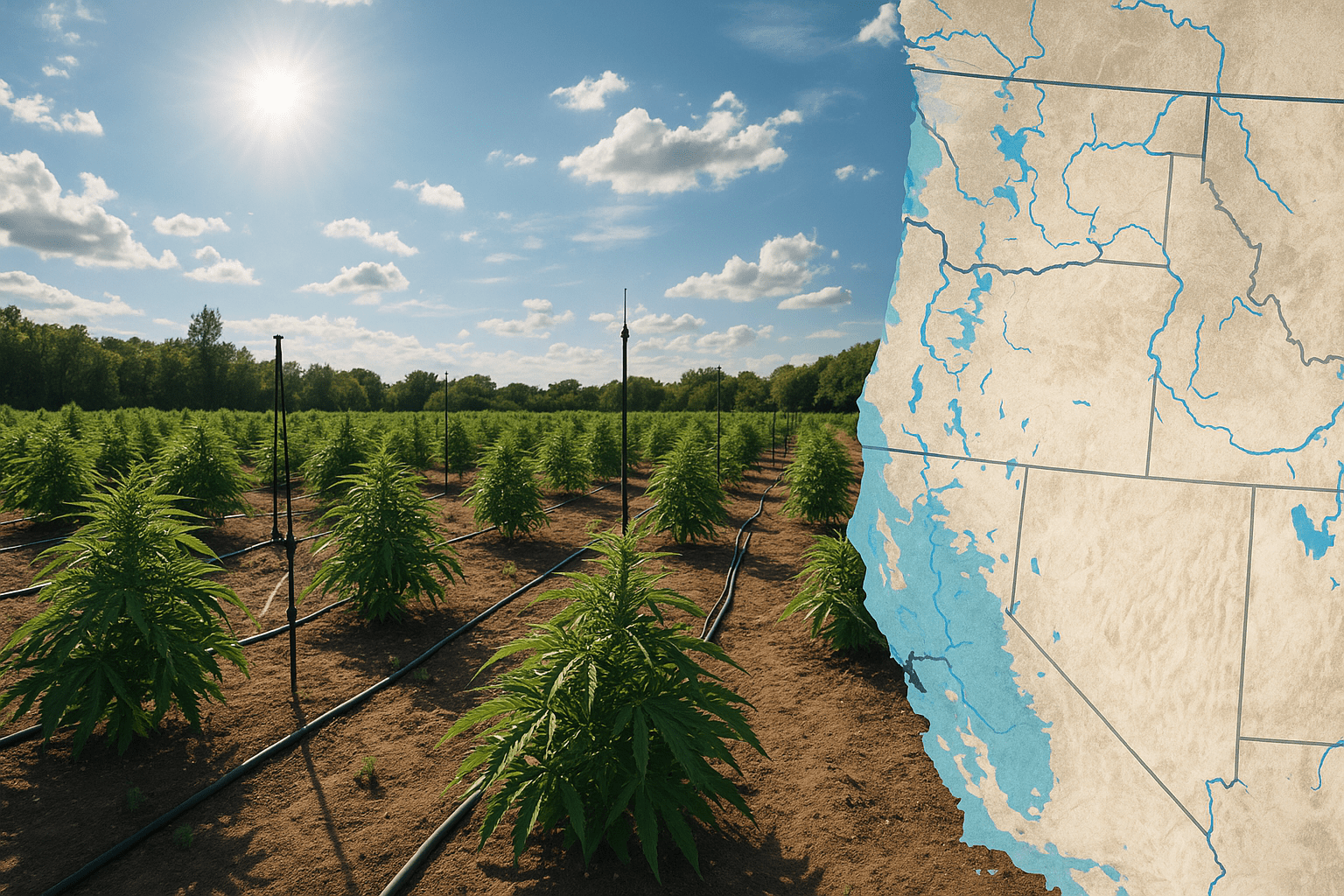
Across Western states like California, Oregon, and Washington, regulatory frameworks for cannabis grow operations vary significantly, reflecting distinct ecological characteristics and political climates. California, for instance, is famous for its complex water rights system that intertwines riparian claims, adjudications, and permits issued by the state’s water board. In recent years, cannabis growers have increasingly been required to apply for water permits, demonstrating sustainable usage plans.
At the same time, regions facing acute drought have enacted restrictions that might limit the total water volume usable throughout the grow season. These measures often include mandatory metering and reporting, fines for exceedances, and restrictions on groundwater pumping. Oregon’s environmental agencies have introduced new rules that can include managed allocation of water rights and stricter oversight on surface water use. These layered approaches create operational headaches for cultivators accustomed to more lenient conditions.
Even in states or countries with less explicit cannabis water oversight, local municipalities are starting to adopt ordinances that influence irrigation methods and water sourcing. From bans on diverting river water to requirements for rainwater catchment, these local rules add further complexity, often forcing growers to invest in infrastructure to comply or face penalties.
Rising costs behind every drop
All these regulatory changes translate into increased costs for cannabis operations. First, there are direct regulatory fees associated with obtaining and maintaining water permits. These can skyrocket depending on the scale of the cultivation and the water source. Some growers report spending thousands annually just on paperwork and monitoring equipment.
More substantial, though, are the indirect costs related to infrastructure investments. Installing water-efficient irrigation systems such as drip lines or automated moisture sensors can require significant upfront capital. While these upgrades ultimately benefit the environment and can reduce water consumption, the initial cost pressure is real, especially for smaller farms competing in tight markets.
In some cases, cultivators are compelled to seek alternative water sources to comply with regulations. These might include drilling wells instead of using surface water, capturing and storing rainwater legally, or even purchasing municipal water—which tends to be costly and may come with additional restrictions. The logistics of switching water sources add complexity and unpredictability to budgeting.
The environmental narrative influencing regulation
Underlying these policy changes is a growing public and governmental insistence on sustainability. Watershed health and aquatic ecosystems have become central to policy debates, linking cannabis cultivation with broader environmental advocacy. Regulators aim to prevent over-extraction that can harm fish habitats or contribute to soil degradation.
This environmental framing often pits growers against competing water users such as residential, industrial, and other agricultural sectors. While the cannabis industry strives to present itself as a responsible steward of natural resources, the patchiness and novelty of regulatory frameworks mean enforcement and compliance can feel uneven at best.
The dynamic is further complicated by climate change forecasts predicting more frequent and severe droughts in many key cannabis-producing regions. This uncertainty invites cautious approaches by policymakers and more conservative water use strategies from growers themselves.
Adapting strategies amid uncertainty
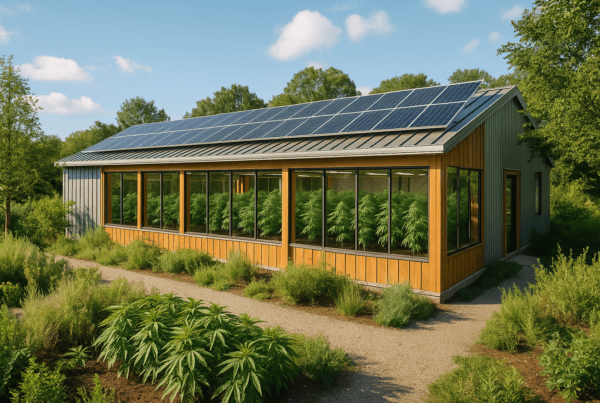
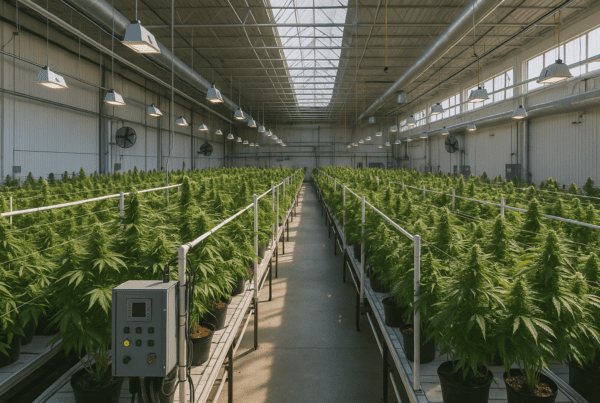
Despite challenges, many cultivators are developing adaptive strategies that balance compliance, cost, and cultivation quality. Some invest in water recycling technologies or move toward indoor and greenhouse models that offer tighter water control. Others engage in cooperative water sharing or engage with watershed councils to stay ahead of evolving standards.
Moreover, industry advocacy groups are increasingly pushing for clearer, more cannabis-specific water regulations that acknowledge plant needs without imposing unnecessary burdens. These efforts highlight the importance of nuanced policy that reflects the agricultural realities of cannabis cultivation versus broader industrial or municipal water use.
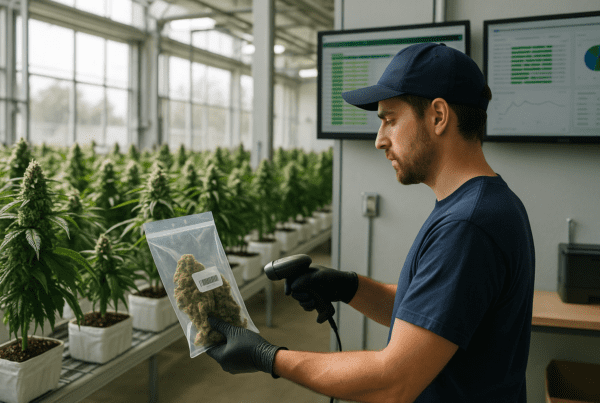
For those growing outdoors, monitoring and precise irrigation scheduling become vital tools to optimize water consumption and avoid violations. Technology adoption, including remote sensing and soil moisture meters, is also on the rise as a tangible response to shifting water landscape.
Resources like the California EPA water permit programs and Oregon Water Resources Department provide growers with guidance on current regulations and compliance options. Additionally, brings attention to cannabis industry water concerns, offering practical insights and advocacy updates that matter in a fast-evolving environment.
Ultimately, water policies are shaping not only the operational footprint but the economic sustainability of cannabis cultivation. As growers adjust to align with new regulatory landscapes, the balancing act between environmental stewardship and cost-effective growing remains a central tension worth watching.
While some view these policies as an inevitable growing pain, they also represent a chance for the industry to mature in its approach to natural resource management. The ability of cultivators to innovate and navigate these changes will influence not just their bottom lines but the longer-term viability of cannabis agriculture across diverse regions.
It is clear that water, often an invisible input, is now emerging as a formidable factor that intersects with climate, policy, and economics in the cannabis world. The story is unfolding with regional nuance and practical consequences that will matter as the industry continues to grow and integrate with shifting environmental realities.
Sources and Helpful Links
- California EPA Water Permits – Provides detailed information about water permitting in California relevant to cannabis cultivation.
- Oregon Water Resources Department – Official site with resources on water rights and regulations in Oregon.
- Cannabis Industry Water Use Insights – Analysis of water management challenges impacting growers.